
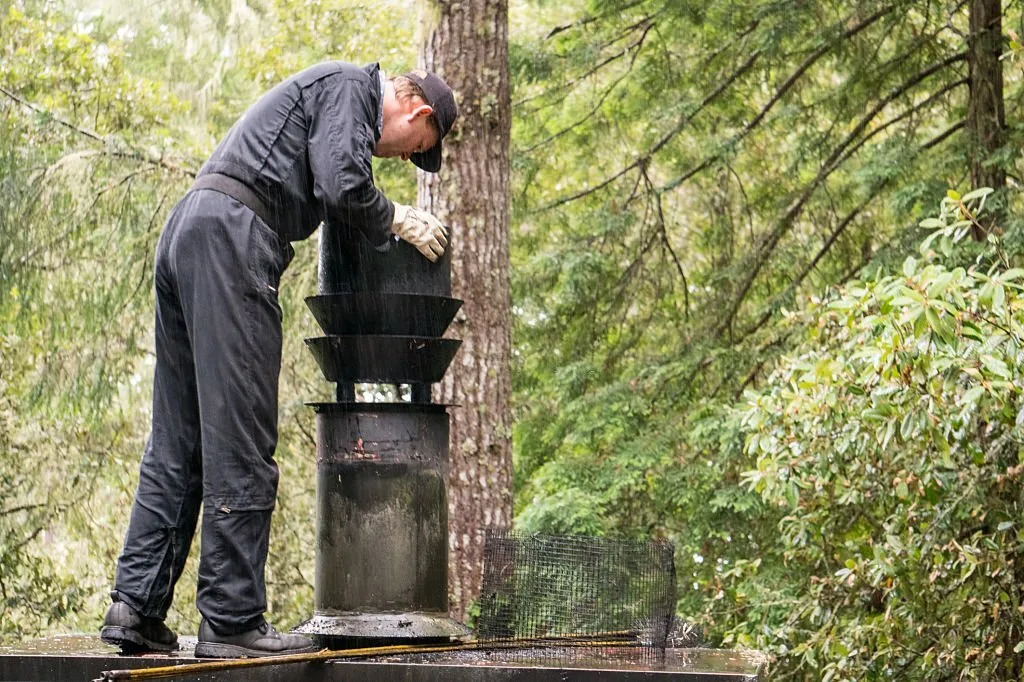
If you own a home in the Greater Seattle area with a fireplace or wood stove, one question tends to come up every fall as the rain settles in: how often should you actually get your chimney swept? It is a fair question, and the honest answer is that it depends on how you burn, what you burn, and where you live. Here in the Puget Sound region, our damp marine climate adds a few wrinkles you will not find in a generic online answer. Let's walk through what the safety standards recommend, and how life in the Pacific Northwest fits into the picture.
The Short Answer: At Least Once a Year
The baseline recommendation is straightforward. The National Fire Protection Association's Standard 211 calls for chimneys, fireplaces, and vents to be inspected at least once a year for soundness, freedom from deposits, and correct clearances. That annual check applies whether you burn every night all winter or only light a fire on holidays.
Notice the word "inspected." An annual inspection and an actual sweeping are two related but different things. The inspection tells you whether your chimney needs cleaning, and it catches structural problems before they become expensive. The sweeping is the cleaning itself. Sometimes you need both in the same visit; sometimes the inspection shows your flue is still in good shape and a full sweep can wait.
When a Sweep Is Actually Due
The clearest trigger for cleaning is creosote buildup. Creosote is the condensed, tar-like residue that wood smoke leaves behind on the inside of your flue, and it is highly combustible. It is the leading cause of chimney fires. The Chimney Safety Institute of America recommends sweeping once soot or creosote reaches about one-eighth of an inch, and sooner if any shiny, glazed creosote is present.
Because most homeowners cannot measure an eighth of an inch inside their own flue, a helpful rule of thumb is to plan a sweep for roughly every cord of wood you burn. Beyond that, your habits set the pace:
- Occasional use (a handful of fires a season): An annual inspection is still important, but you may not need a full sweep every single year.
- Regular use (several fires a week through winter): Plan on sweeping once a year, timed before the burning season starts.
- Heavy use (your wood stove is a primary heat source): You may need cleaning twice a season, since creosote can accumulate quickly.
Why Seattle's Climate Changes the Math
The standard guidance is written for the whole country, but the Puget Sound region has its own quirks. Two things matter most here: moisture and the wood we tend to burn.
Moisture Is the Hidden Culprit
Our long, wet winters mean your chimney is exposed to persistent rain and dampness for months. Moisture that gets into a flue can accelerate rust on metal components, break down mortar joints, and combine with creosote and soot to form a corrosive, acidic mixture that eats away at the liner from the inside. A chimney cap and proper crown are your first line of defense against Seattle rain, and an annual inspection is where a sweep confirms they are doing their job. Homeowners in Ballard, Bellevue, Tacoma, and everywhere in between deal with the same soggy reality.
Wet and Softwood Fuel Builds Creosote Faster
Firewood in the Northwest often includes softwoods like Douglas fir and cedar, which are widely available but burn faster and, if not fully seasoned, produce more creosote. Add our humidity, which makes it harder to keep firewood dry, and you have a recipe for quicker buildup. Burning properly seasoned wood, ideally hardwoods like alder or maple that have dried for a year or more, is one of the best things you can do to stretch the time between sweepings. If your wood hisses, sizzles, or is hard to light, it is too wet, and it is coating your flue faster than you think.
Burn Bans Are Part of Our Winters
One thing that is uniquely local: the Puget Sound Clean Air Agency calls wintertime air quality burn bans for King, Kitsap, Pierce, and Snohomish counties when air pollution climbs toward unhealthy levels. During a Stage 1 or Stage 2 ban, uncertified wood-burning devices, and sometimes all wood burning, are restricted. That means our actual burning happens in concentrated stretches of cold, clear weather, which can pack a lot of use into a short window and put more soot up your flue than the raw calendar suggests.
What About Gas and Pellet Appliances?
If you have a gas fireplace, you might assume you are off the hook. You are not entirely. Gas burns much cleaner than wood, so creosote is not the concern, but an annual inspection still matters. Vents can become blocked by debris or nesting birds, and in our climate, moisture and corrosion affect gas systems too. A yearly check keeps the venting safe and the appliance running efficiently.
Pellet stoves burn efficiently but still produce ash and some buildup in the venting. Follow your manufacturer's guidance, and plan on at least an annual professional inspection and cleaning.
Warning Signs You Shouldn't Wait On
Even if your annual visit is months away, certain signs mean you should call sooner rather than later:
- A strong, smoky, or campfire-like smell coming from the fireplace, especially on damp days.
- Smoke pushing back into the room instead of drawing up the flue.
- Fires that are hard to start or will not stay lit.
- Black, oily soot or flaking debris falling into the firebox.
- A visibly damaged chimney cap, crumbling mortar, or staining on interior walls near the chimney.
- Birds, squirrels, or other critters that may have nested over the summer.
Any of these is worth a professional look. A blocked or creosote-heavy flue is not just an efficiency problem, it is a genuine fire and carbon monoxide risk.
The Best Time to Schedule in the Puget Sound
Late summer and early fall are ideal. Booking before the first cold snap means your system is clean, safe, and ready when you want that first fire, and you beat the seasonal rush when every sweep in the region is booked solid. If you missed that window, do not skip the year, a mid-winter cleaning is far better than none.
What Does a Sweep Cost?
Pricing varies based on the type of appliance, chimney height, accessibility, how much buildup is present, and whether any repairs are needed. Rather than quote a number that may not fit your situation, we are happy to give you a straightforward estimate for your specific home. Just give us a call.
Keep Your Seattle Home Safe and Warm
The short version: inspect every year, sweep when the buildup calls for it, and remember that our wet Northwest climate and softwood firewood can push you toward more frequent cleanings than a national average would suggest. Staying ahead of it protects your home, your air quality, and your family. If you are in the Greater Seattle or Puget Sound area and it has been a while since your last visit, reach out to James Chimney Sweep at (206) 207-3974. We will inspect your system, answer your questions, and make sure you are ready for a safe, cozy burning season.
Related