Home › Services › Chimney Inspection
Chimney Inspection Seattle, WA
NFPA 211 Level 1, 2 and 3 chimney inspections for homes across Seattle, Tacoma and the Puget Sound corridor.
- 25+ years in business
- CSIA certified
- Licensed, bonded & insured
Request Chimney Inspection
Tell us what's going on — we'll confirm a time by phone or text.
A chimney inspection is a structured examination of your fireplace, flue, chimney structure and venting system to confirm it is sound, clear and safe to use. James Chimney Sweep performs inspections for homeowners in Seattle, Tacoma and throughout King, Pierce and Snohomish counties, following the three inspection levels defined in NFPA 211, the national standard for chimneys, fireplaces and venting. A technician checks the firebox, damper, smoke chamber, flue liner, crown, cap and exterior masonry, and on a Level 2 inspection runs a camera the full length of the flue to see what the eye cannot.
You need an inspection if you burn wood or gas in a fireplace, stove or insert; if you are buying or selling a house with a chimney; if you have just had a chimney fire, earthquake or storm damage; or if you simply do not know when the chimney was last looked at. NFPA 211 recommends that every chimney, fireplace and vent be inspected at least once a year, and that it be swept when deposits or obstructions are found. Inspection is the standard; sweeping follows only when the inspection shows it is needed.
An inspection is also the honest starting point for any repair. Rather than guessing at what a water stain or a smoky room means, a documented inspection tells you exactly what is wrong, how serious it is and what your options are, so you only pay for work the chimney actually needs.
Symptoms & Problems
Signs your chimney needs an inspection
- It has been more than a year since the chimney was last inspected
- Smoke drifts into the room instead of drawing up the flue
- You smell a smoky, damp or sour odor from the fireplace when it is not in use
- Water stains, damp patches or peeling paint on walls or ceiling near the chimney
- Pieces of tile, mortar or a black flaky material collecting in the firebox
- Cracked, crumbling or stained bricks on the outside of the chimney
- A new home purchase, sale or change in the type of fuel you burn
- A recent chimney fire, earthquake or strong windstorm
How It Works
How a James Chimney Sweep inspection works
Interview and visual examination
A technician asks how you use the fireplace and what you have noticed, then examines every accessible part of the system from the firebox and damper up through the smoke chamber, and outside at the chimney crown, cap, flashing and masonry, without removing anything or damaging finishes.
Flue camera scan (Level 2 and above)
A video camera is run the full length of the flue to check the liner for cracks, gaps, missing mortar joints, creosote buildup and obstructions such as nests or debris. Level 2 also covers accessible attics, crawl spaces and the basement where the chimney passes through, and confirms clearances to combustibles.
Written report and next steps
You receive a clear written report with photos of what was found, a plain-language explanation of any concern, and recommendations ranked by urgency. If the chimney is clean and sound, the report says so. If sweeping or a repair is needed, you get a quote to review on your own schedule.
Options
Inspection levels explained
- Level 1 inspection — The annual check for a chimney that is used the same way it always has been, with no changes and no known problems. Covers the readily accessible interior and exterior parts of the chimney and confirms the flue is clear and the structure is basically sound.
- Level 2 inspection — Adds a full camera scan of the flue plus accessible attics, crawl spaces and basements. NFPA 211 recommends a Level 2 inspection whenever a property is sold or transferred, when you change the fuel type or connect a new appliance or insert, after a chimney fire, and after an earthquake, storm or other event that could have damaged the chimney. This is the inspection most Seattle home buyers and sellers should ask for.
- Level 3 inspection — Reserved for cases where a Level 1 or 2 inspection points to a serious hidden hazard that cannot be confirmed without removing a chimney component, a section of wall or ceiling. It is only recommended when the concern justifies that access.
- Real-estate inspection — A Level 2 inspection with a report written for buyers, sellers and agents, delivered in time for an inspection contingency, so the chimney does not become a surprise at closing.
- Post-event inspection — A Level 2 inspection after a chimney fire, a lightning strike, an earthquake or a fallen tree limb, to determine whether the flue and structure are still safe to use.
Pricing
What affects the price
- Inspection level requested (Level 1, 2 or 3)
- Number of flues in the chimney and number of chimneys on the property
- Height of the chimney and how accessible the roof and attic are
- Whether a camera scan of the flue is included
- Condition of the flue: a heavily sooted liner may need sweeping before a camera can read it
- Type of appliance connected (open fireplace, wood stove, insert, gas log set)
- Whether a written real-estate report with photos is needed on a deadline
We don't publish flat prices because every chimney is different. You'll get a written quote after we look at the system — no surprises.
Timing & Safety
When an inspection is necessary vs optional
An inspection is the right call when:
- A year has passed since the last one and you plan to use the fireplace this season
- You are buying or selling a home with a chimney, even if it looks fine from the curb
- You are adding a wood insert, switching from wood to gas, or connecting a new furnace or water heater to an existing flue
- There has been a chimney fire, even a small one that seemed to go out on its own
- A storm, earthquake or falling limb has hit the chimney or roof
- You see smoke spillage, falling tile, water stains or unusual odors
An inspection can reasonably wait when the chimney was inspected within the past year, nothing has changed in how you use it, and you have noticed no new symptoms. Even then, a sweep is not automatically needed: the point of an annual inspection is to find out whether sweeping or repair is warranted, not to sell you either one.
Safety considerations
Most chimney problems are invisible from the living room. A cracked flue tile or a gap in a liner can let hot gases reach wood framing, and a blocked or leaking flue can send carbon monoxide back into the house. An inspection exists to catch these conditions before they become a fire or a poisoning.
- Do not climb onto the roof to look at the chimney yourself; leave roof and flue access to a technician with the right equipment.
- Install and test carbon monoxide and smoke alarms on every level of the home, especially near bedrooms.
- If you ever smell gas near a gas fireplace or appliance, leave the house immediately and call your gas utility or 911 from outside.
- After a chimney fire, do not use the fireplace again until the flue has been inspected, even if it looks undamaged.
- A chimney cannot be diagnosed over the phone or from photos alone; an on-site inspection is the only reliable way to know its condition.
Seattle & Puget Sound conditions
Puget Sound chimneys face months of rain and a damp climate that older masonry was never designed to shrug off. Water soaks into unsealed brick and a worn crown, then repeated freeze-thaw cycles in our cold snaps widen hairline cracks into spalled faces and loose mortar joints. Moss and algae take hold on shaded north-facing chimneys and hold even more moisture against the brick. Inside the flue, a summer of humidity mixed with leftover creosote produces the sour smell many Seattle homeowners notice in August. A Level 2 camera scan is especially valuable here because water damage to a flue liner often shows up first inside the chimney, well before the exterior looks bad, and the region's real-estate market moves fast enough that buyers rarely get a second chance to look.
Real Work
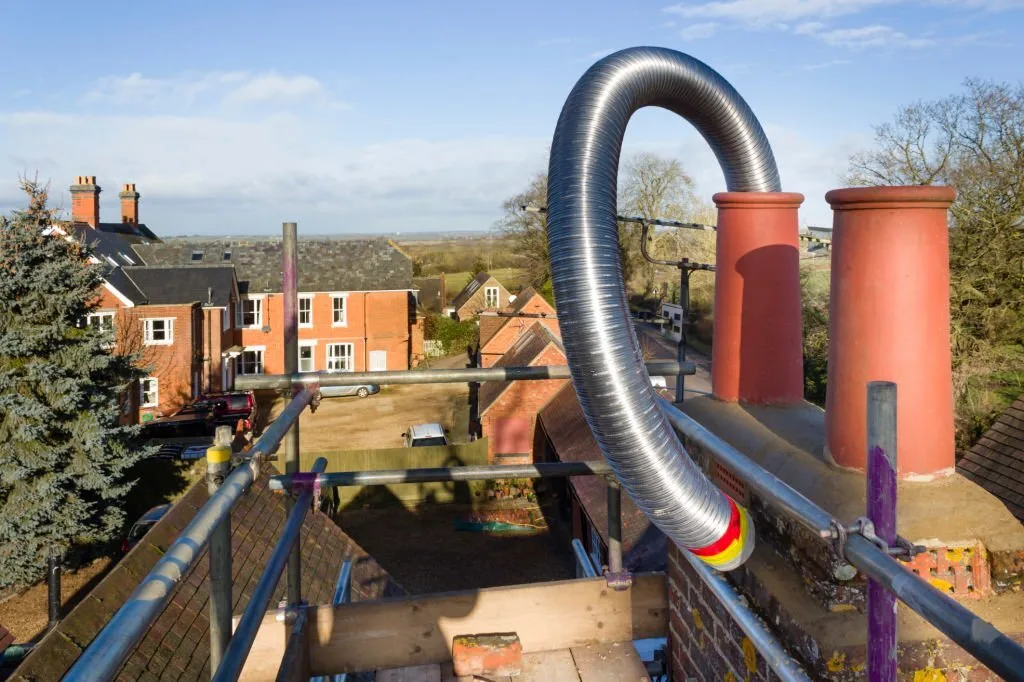
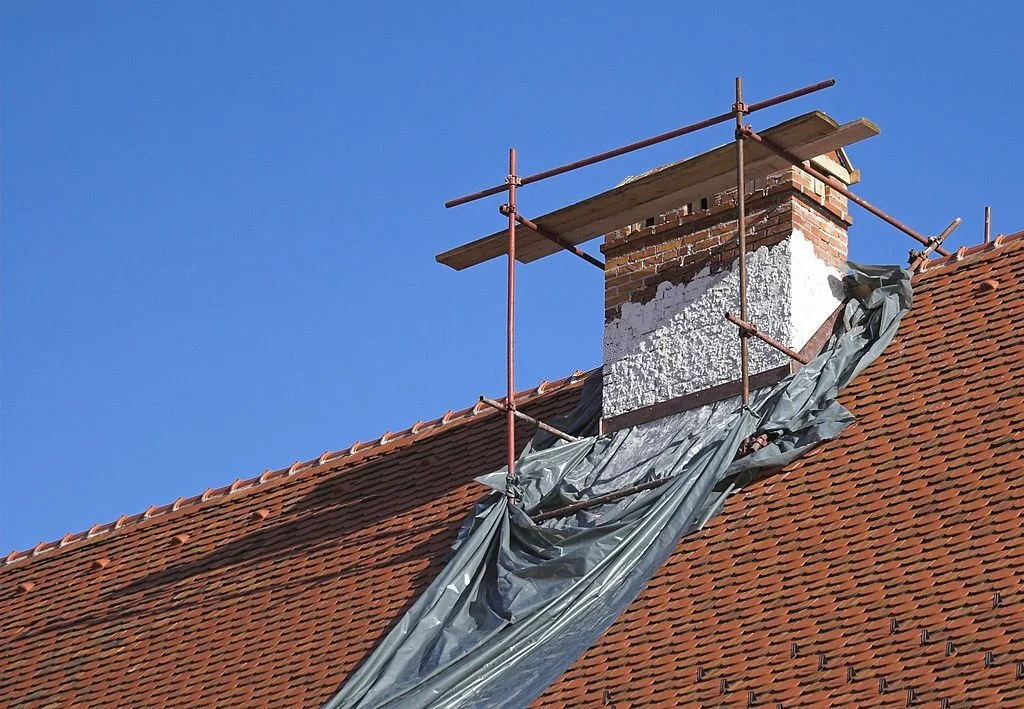
Chimney Inspection in action
Know what is inside your chimney before you light it
Call 206-207-3974 or request a quote online to schedule a Level 1 or Level 2 chimney inspection anywhere in King, Pierce or Snohomish County.
☎ (206) 207-3974 Request ServiceQuestions
Chimney Inspection FAQ
How often should a chimney be inspected?
NFPA 211 recommends an inspection at least once a year for every chimney, fireplace and vent, regardless of how much it is used. Sweeping is then done only if the inspection finds enough creosote, soot or debris to warrant it. Many Puget Sound homeowners schedule inspections in late summer or early fall, before the burning season starts.
Do I need a chimney inspection when buying a house?
A general home inspector typically looks only at what is visible from the firebox and the ground. NFPA 211 recommends a Level 2 inspection, which includes a camera scan of the flue, whenever a property changes hands. It is not a legal requirement, but it is the only practical way to learn whether the flue liner is cracked or the chimney has hidden damage before you own the problem.
What is the difference between a Level 1 and Level 2 inspection?
A Level 1 is the basic annual check of the readily accessible parts of the chimney. A Level 2 adds a video camera scan of the entire flue interior plus a look at accessible attics, crawl spaces and basements, and is recommended after any change in use, after a chimney fire or damage event, and on a sale. A Level 3 goes further and involves opening up part of the chimney or surrounding structure, only when a serious hidden hazard is suspected.
Does an inspection include cleaning?
No. An inspection is the assessment; sweeping is a separate service performed when the inspection shows deposits or obstructions that need to come out. Keeping them separate means you are not paying for a sweep your chimney does not need. If a flue is too dirty for the camera to read the liner, the technician will explain that sweeping first is necessary to complete a Level 2.
How long does a chimney inspection take?
A Level 1 inspection on a single-flue chimney is usually brief. A Level 2 with a full camera scan, attic and crawl-space checks and a photo report takes longer, and chimneys with multiple flues or difficult access take longer still. A technician can give you a realistic window when you schedule.
Can you inspect a gas fireplace or a chimney that vents a furnace?
Yes. Gas appliances still produce moisture and combustion gases that can corrode a flue liner over time, and a blocked or deteriorated flue can push carbon monoxide back into the home. The inspection examines the venting, not the gas line itself. If you ever smell gas, leave the house and call your utility or 911 from outside before anything else.
Related services
Service areas
Helpful reading