
Home › Services › Chimney Crown Repair & Rebuild
Chimney Crown Repair & Rebuild Seattle, WA
Crown sealing, crack repair and full crown rebuilds for masonry chimneys across Seattle, Tacoma and the Puget Sound corridor.
- 25+ years in business
- CSIA certified
- Licensed, bonded & insured
Request Chimney Crown Repair & Rebuild
Tell us what's going on — we'll confirm a time by phone or text.
The chimney crown is the sloped slab of concrete or mortar that covers the top of a masonry chimney and sheds water away from the bricks and flue. It is not the metal cap that sits over the flue opening; the crown is the masonry surface the cap is mounted on. When the crown cracks, crumbles or loses its slope, rain runs straight into the chimney structure, and that is where most of the expensive masonry damage we see in the Seattle area begins.
James Chimney Sweep repairs and rebuilds chimney crowns for homeowners in King, Pierce and Snohomish counties. If your crown is structurally sound with surface cracking, a flexible crown coat or sealant repair restores the waterproof surface. If the slab is broken, thin, flat or separating from the chimney, the crown is rebuilt or re-poured so the chimney gets a proper overhang and slope. A technician starts by confirming which situation you actually have, because the wrong fix on a failed crown is money wasted.
Crown problems are common on older Seattle homes because many original crowns were simply a thin smear of mortar troweled over the last course of brick. That style of crown was never designed to survive decades of Pacific Northwest rain and winter freeze-thaw cycles.
Symptoms & Problems
Signs Your Chimney Crown Needs Attention
- Visible cracks across the top of the chimney, even hairline ones
- Chunks of concrete or mortar found on the roof or in the gutters
- Spalling (flaking) brick faces in the top few courses of the chimney
- Rust streaks on the chimney cap or staining down the exterior bricks
- Moss or plant growth taking root in the crown surface
- Water stains, damp smells or a musty odor near the fireplace after heavy rain
- Mortar joints washing out near the top of the chimney
- Flue tiles cracking or shifting at the top of the flue
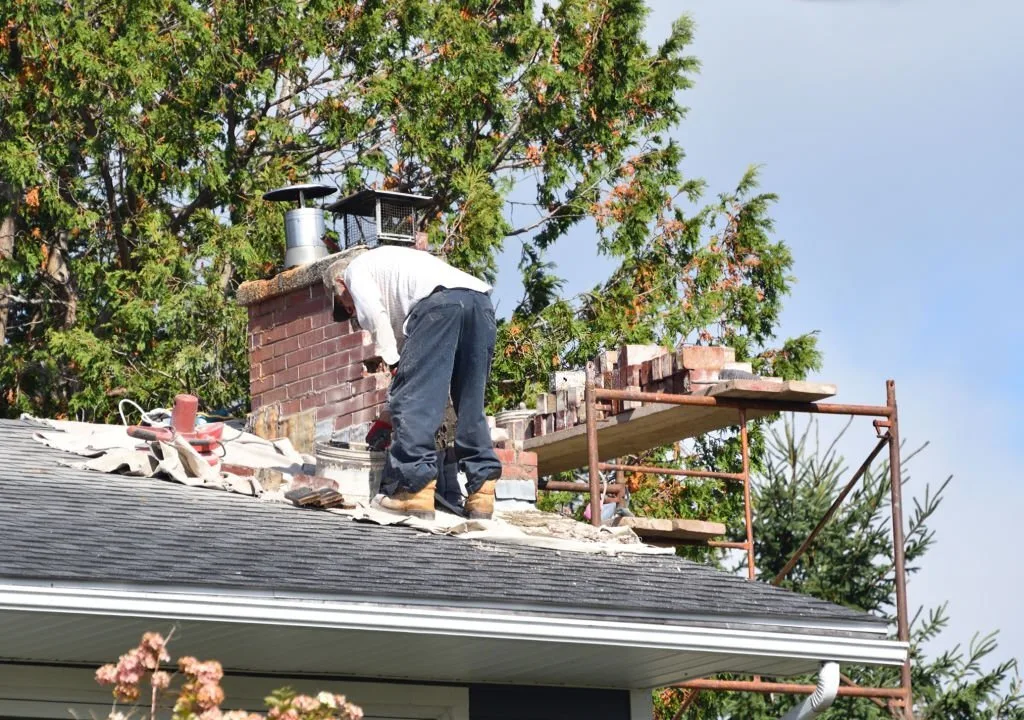
How It Works
How a Crown Repair or Rebuild Works
Inspect and diagnose the crown
A technician examines the crown, the top courses of brick, the flue tile projection and the cap, and checks how far any water damage has traveled down the chimney. This determines whether a seal or coating is appropriate or whether the slab has to be rebuilt.
Repair or rebuild
For a sound slab, cracks are cleaned and filled and the whole crown is covered with a flexible, waterproof crown coating. For a failed slab, the old material is removed, forms are set, and a new crown is poured with a proper thickness, slope, overhang and drip edge, with an expansion gap around the flue tile.
Report and next steps
You get a plain-language summary with photos of what was found and what was done, plus any related items the technician noticed, such as a missing cap or deteriorated flashing, so you can decide what to handle next.
Options
Crown Repair Options
- Crack sealing — for a few isolated cracks on an otherwise solid crown; cracks are cleaned, filled with a flexible masonry sealant and blended into the surface.
- Full crown coating (crown seal) — for a sound, properly shaped crown with widespread surface cracking or weathering; an elastomeric, waterproof membrane is brushed over the entire crown and slightly down the sides to bridge hairline cracks and stop water absorption.
- Crown rebuild or re-pour — for a crown that is broken into pieces, thin, flat, crumbling, or pulling away from the flue or brick; the old slab is removed and a new one is formed and poured to the correct profile.
- Rebuild plus top-course masonry repair — when water has already damaged the upper courses of brick or the flue tile, those are repaired or replaced before the new crown goes on so the crown is sitting on solid masonry.
- Cap and flashing add-ons — a missing or rusted cap or worn flashing is often discovered during crown work and can be handled in the same visit.
The decision line: if the crown still has its shape and slope and the cracks are surface-deep, repair it. If you can see daylight through it, lift pieces off, or it is flat and flush with the brick with no overhang, rebuild it. Sealing a failed crown only hides the problem for a season.
Pricing
What affects the price
- Whether the crown can be sealed or has to be fully removed and re-poured
- Chimney size and the number of flues the crown has to be formed around
- Roof pitch, chimney height and how the top of the chimney can be safely accessed
- Condition of the top courses of brick and flue tile (additional masonry work)
- Whether a cap, flashing or other top-of-chimney items are done in the same visit
- Weather windows, since coatings and concrete need dry conditions to cure
- Multi-story homes or steep, slippery roofs that require extra setup
We don't publish flat prices because every chimney is different. You'll get a written quote after we look at the system — no surprises.
Timing & Safety
When Crown Repair Is Necessary vs. Optional
Necessary now:
- The crown is cracked through, missing pieces or separating from the chimney.
- There is evidence water is getting into the chimney: spalling brick, interior stains, a damp firebox, rust on the damper.
- The flue tile is loose or cracked at the top, which usually means water has been freezing in the crown.
- An inspection found crown deterioration and recommended repair.
Worth doing soon (preventive):
- Hairline surface cracks on an otherwise good crown. Sealing now is far cheaper than rebuilding later.
- A crown with no coating that is more than a few years old, especially on the wet side of the house.
- You are already having the cap, flashing or upper masonry worked on; adding a crown coat while a technician is on the roof is efficient.
Optional: a freshly poured crown that is properly sloped, overhangs the brick and shows no cracks can simply be monitored at your annual inspection. NFPA 211 recommends a chimney inspection every year, and the crown is one of the items that inspection covers.
Safety considerations
Crown work happens at the highest point of the house, often on a steep, wet roof. Please leave the climbing to our team; do not go on the roof to inspect or patch the crown yourself, and do not lean a ladder against the chimney, because deteriorated masonry can give way. Ground-level binoculars are the safe way to spot obvious crown damage from your yard.
- Falling crown pieces are a hazard to people, pets and cars below; if you see chunks in the gutters or on the roof, keep the area clear and request an inspection.
- A failed crown lets water reach the flue liner. Cracked liner tiles can allow heat and combustion gases to reach framing, so a damaged crown is not just a cosmetic issue.
- If water has reached the firebox or damper, stop using the fireplace until the chimney has been inspected.
- If your fireplace or insert runs on gas and you ever smell gas, leave the house and call your gas utility or 911 from outside.
Seattle & Puget Sound conditions
Seattle and the Puget Sound get most of their rain between October and April, and the chimney crown is the one surface on the house that faces straight up into it for months at a time. Moss takes hold in hairline cracks and holds moisture against the concrete, and the wet-then-freezing nights we get in December and January push that water into ice, widening every crack a little more each year. By spring, a crown that looked fine in September can be shedding pieces. This is also why a thin, flat mortar crown that may have survived in a drier climate fails early here. We schedule coatings and re-pours during dry stretches so the material cures properly, which usually means late spring through early fall is the ideal window, though short dry windows in other seasons can work for small repairs.
Real Work
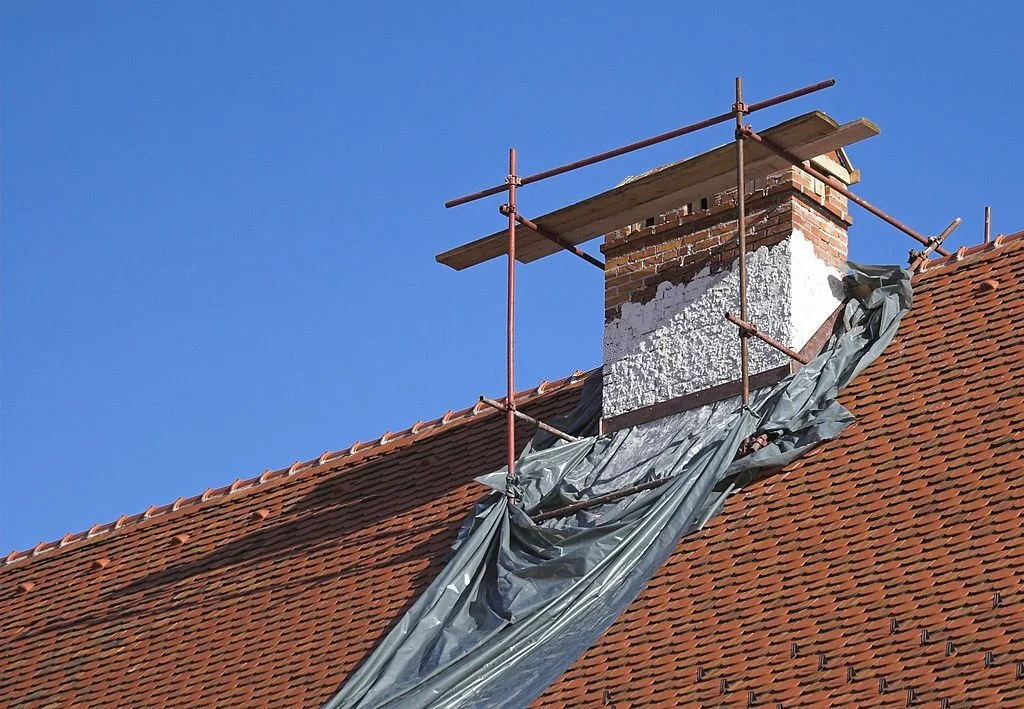
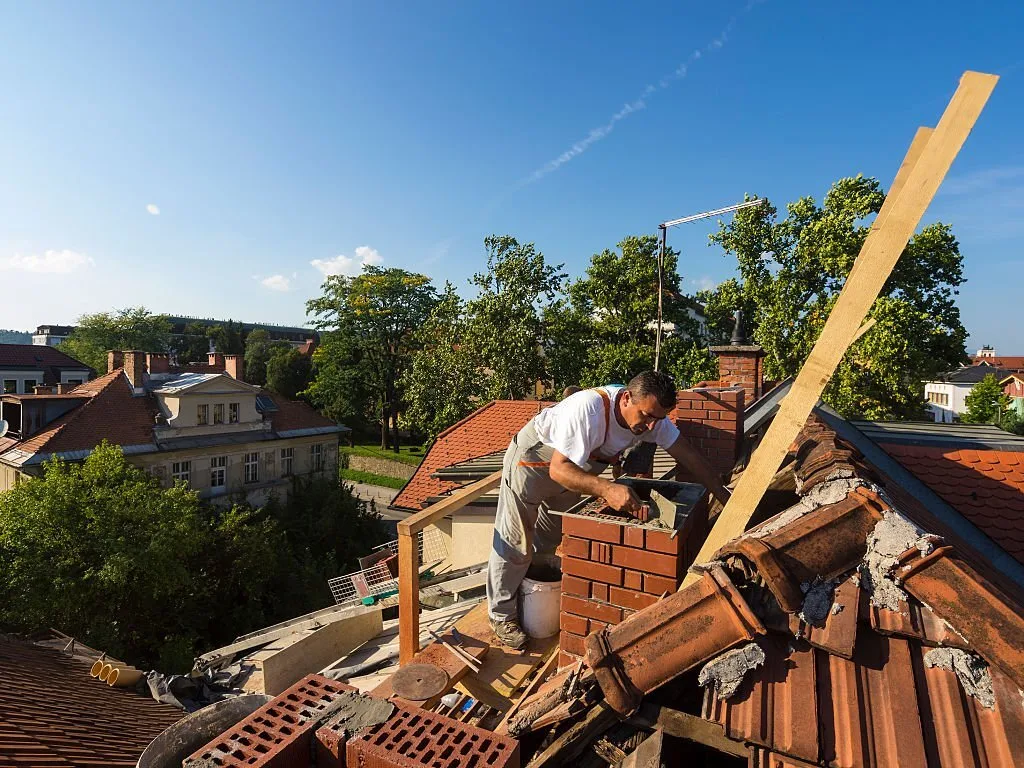
Chimney Crown Repair & Rebuild in action
Stop the Rain at the Top of the Chimney
Call 206-207-3974 or request a quote online and a technician will inspect your crown and tell you honestly whether it needs a seal or a rebuild.
☎ (206) 207-3974 Request ServiceQuestions
Chimney Crown Repair & Rebuild FAQ
What is the difference between the chimney crown and the chimney cap?
The crown is the sloped concrete or mortar slab that forms the top of the masonry chimney itself. The cap is the metal cover, usually with a mesh screen, that sits over the flue opening and is mounted on top of the crown. You need both: the cap keeps rain and animals out of the flue, and the crown keeps water out of the brick structure.
Can a cracked crown just be sealed, or does it need to be rebuilt?
It depends on the slab underneath. If the crown has a proper thickness and slope and the cracks are surface-level, a flexible crown coating is the right fix. If the crown is broken into pieces, flat, thin, or pulling away from the flue or brick, coating it just traps the problem and it needs to be re-poured. A technician can tell you which one you have after looking at it.
What does a properly built crown look like?
It should be a few inches thick, slope away from the flue toward the edges, extend past the brick on all sides with a drip edge underneath so water falls clear of the chimney, and have a flexible gap where it meets the flue tile so the tile can expand without cracking the slab. Many original Seattle-area crowns have none of these features.
How long does a crown repair or rebuild take?
A crack seal or crown coat is typically a single-visit job once the surface is dry. A rebuild takes longer because the old slab has to be removed, forms set, concrete poured and then allowed to cure, and the cap reinstalled. Weather is the biggest variable, since neither coatings nor concrete should go on in the rain.
Will a new crown stop the water stains inside my house?
If the crown was the entry point, yes, but water can also get in through flashing, missing caps, porous brick and failed mortar joints. That is why a technician inspects the whole top of the chimney first instead of assuming the crown is the only problem.
How much does chimney crown repair cost in Seattle?
The main factors are whether the crown can be sealed or must be rebuilt, the size of the chimney and number of flues, roof pitch and access, and whether the upper brick or flue tile also needs work. After an inspection we give you a written quote for the specific repair your chimney needs. Request a quote and we will schedule the inspection.
Related services
Service areas
Helpful reading