
Home › Services › Chimney Leak Repair
Chimney Leak Repair Seattle, WA
We trace where water is actually getting in, then repair that entry point on homes across Seattle, Tacoma and the I-5 corridor.
- 25+ years in business
- CSIA certified
- Licensed, bonded & insured
Request Chimney Leak Repair
Tell us what's going on — we'll confirm a time by phone or text.
Chimney leak repair starts with one question: where is the water really coming in? A chimney can leak through a missing or undersized cap, a cracked crown, failed flashing where the chimney meets the roof, porous or damaged masonry, or simple condensation inside the flue. Each of those has a different fix, and repairing the wrong one means you pay for work and still have a stain on the ceiling after the next storm. That is why James Chimney Sweep diagnoses the entry point first, then repairs it, for homeowners in King, Pierce and Snohomish counties.
If you have noticed water stains on the ceiling or wall near the chimney, a musty smell from the fireplace after rain, dripping sounds in the flue, or rust on the damper, the chimney is a likely suspect. Because Puget Sound homes see rain for much of the year, a small entry point can admit a lot of water over a season and quietly damage framing, drywall and the chimney itself.
This page explains how we find the source, the repair options for each cause, what affects the cost, and when a leak is urgent versus something you can plan for. To get a technician out, call 206-207-3974 or request a quote online.
Symptoms & Problems
Signs Your Chimney Is Leaking
- Brown or yellow water stains on the ceiling or wall around the chimney
- Dripping or trickling sounds inside the firebox during or after rain
- Rust on the damper, firebox floor or a metal chimney cap
- Musty or damp smell coming from the fireplace
- White chalky staining (efflorescence) on the exterior brick
- Peeling paint, bubbling drywall or soft wood near the chimney chase
- Moss or dark streaks running down one side of the chimney
- Crumbling mortar joints or spalled brick faces near the top
How It Works
How We Find and Fix a Chimney Leak
Trace the entry point
A technician inspects the cap, crown, flashing, masonry and flue, matching what we see outside to where the water shows up inside. We do not assume it is the cap; a stain beside the chimney usually points to flashing or the crown, while rust inside the firebox points elsewhere.
Repair the actual cause
Once the source is identified, we complete the appropriate repair, which may be a cap replacement, crown repair or rebuild, flashing reseal or replacement, masonry repointing and waterproofing, or addressing a flue or liner issue that is producing condensation.
Document and plan next steps
You receive a plain-language summary with photos of what was found and repaired, plus any secondary items worth watching. If hidden damage (wet framing, a damaged liner) is suspected, we explain what it would take to confirm it before you commit to anything.
Options
Chimney Leak Repair Options
- Chimney cap installation or replacement — when rain is falling straight down an open flue, or an existing cap is rusted through, undersized or missing its screen. This is the simplest fix, but only the right fix when the cap is actually the problem.
- Crown repair or rebuild — when the concrete slab on top of the chimney is cracked, sloped wrong or eroded so water runs into the brick below. Minor cracks can be sealed with a flexible crown coating; badly broken crowns are rebuilt.
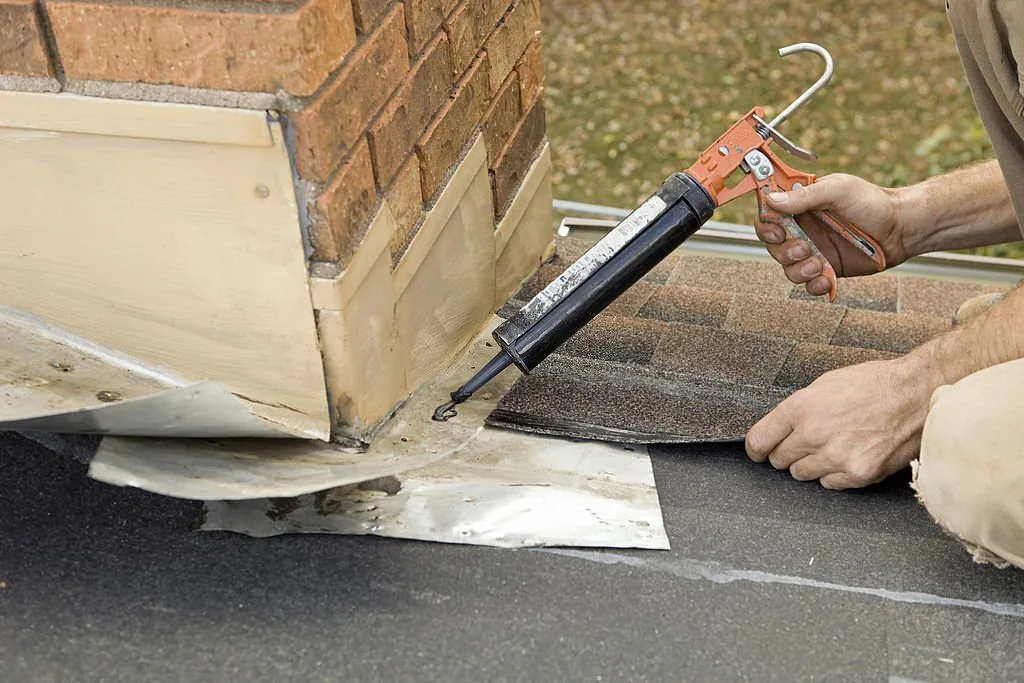
- Flashing repair or replacement — when the metal at the roof-to-chimney joint has lifted, rusted, separated from the mortar or was sealed with caulk that has failed. Step and counter flashing are re-set or replaced so water cannot track behind them.
- Masonry repointing and waterproofing — when brick faces are spalling or mortar joints are open and absorbing water. Damaged joints are tuck-pointed and the chimney is treated with a breathable water repellent that sheds rain while letting trapped moisture escape.
- Flue and liner correction — when the "leak" is actually condensation from a gas appliance venting into an oversized or unlined flue. Relining or resizing the flue addresses the moisture at its source.
Pricing
What affects the price
- Which component is leaking (cap, crown, flashing, masonry or flue) and whether more than one is involved
- Extent of the damage, such as a hairline crown crack versus a crown that needs rebuilding
- Chimney height, roof pitch and how accessible the work area is
- Amount of masonry repointing or brick replacement needed
- Whether a breathable water repellent is applied after repairs
- Any interior damage to drywall, framing or the firebox that needs separate attention
- Whether a flue liner repair or replacement is required
We don't publish flat prices because every chimney is different. You'll get a written quote after we look at the system — no surprises.
Timing & Safety
When Chimney Leak Repair Is Necessary
Some chimney leaks are urgent; others can be scheduled. Use this as a guide:
- Repair soon: active dripping inside the firebox, spreading ceiling stains, soft or sagging drywall, or visible daylight around the flashing. Water that is reaching framing or interior finishes gets more expensive the longer it runs.
- Repair before the wet season: a cracked crown, open mortar joints, spalling brick or a rusted cap that has not yet produced interior stains. These are the stage where repair is still straightforward.
- Monitor and reassess at your annual inspection: light efflorescence with no interior symptoms, or a previously repaired area you want checked. NFPA 211 recommends an annual chimney inspection, and that visit is the natural time to catch early water intrusion.
A leak rarely fixes itself. Masonry absorbs water, freeze-thaw cycles widen cracks, and water that reaches the flue liner can accelerate deterioration that affects how safely the chimney vents.
Safety considerations
Chimney leaks are usually a property problem first, but they can become a safety problem:
- Water that gets into the flue can damage clay tile liners and corrode metal liners, reducing the chimney's ability to contain heat and exhaust gases.
- A damp flue combined with creosote produces acidic deposits that eat at masonry and can make the smell worse when the fireplace is used.
- Wet framing around the chimney chase can rot and weaken the structure supporting the roof.
- We do not recommend homeowners climb on the roof to inspect or caulk a chimney. Steep, wet Pacific Northwest roofs are slippery, and caulk over a failed flashing usually hides the problem rather than solving it.
- If you ever smell gas near a gas fireplace or furnace venting through the chimney, leave the house and call your gas utility or 911 before anything else.
Seattle & Puget Sound conditions
Seattle and Puget Sound chimneys face a long wet season, frequent wind-driven rain from the southwest, and moss that takes hold on shaded north-facing brick and in crown cracks. Moss holds water against the masonry and pries joints apart as it grows. Add the occasional hard freeze and the cycle of soaked brick expanding and contracting opens cracks a little wider each winter. Because rain here is persistent rather than dramatic, a leak often shows up as a slowly growing stain rather than a sudden drip, and by the time it is noticed the water has been working for months. Exterior masonry in this climate benefits from sound crown, tight flashing and a breathable water repellent that sheds rain without trapping moisture inside the brick.
Real Work
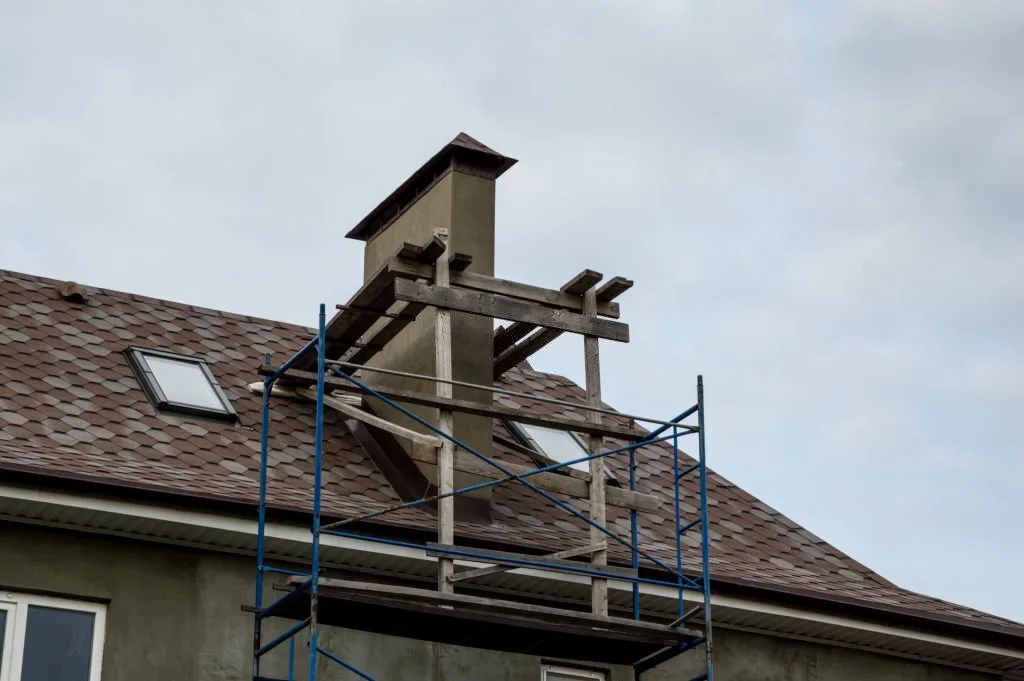
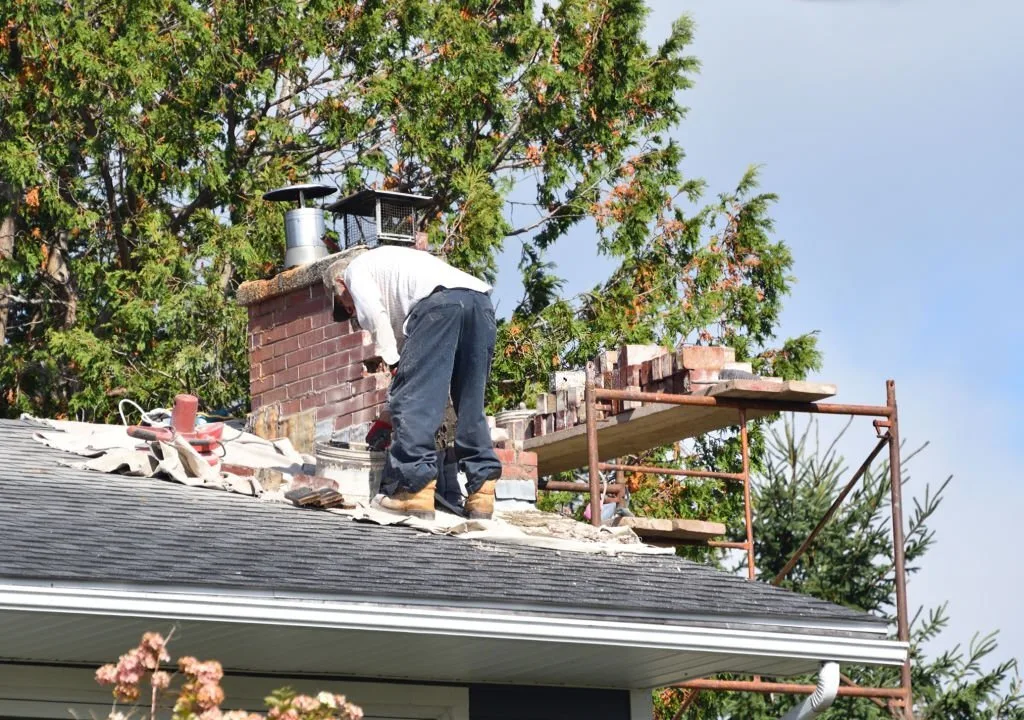
Chimney Leak Repair in action
Stop the Water at Its Source
Call 206-207-3974 or request a quote and a technician will trace your chimney leak to its real entry point and repair it properly.
☎ (206) 207-3974 Request ServiceQuestions
Chimney Leak Repair FAQ
The ceiling next to my chimney is stained. Does that mean I need a new cap?
Not necessarily. A stain beside the chimney most often points to flashing or the crown, since water from an open flue usually shows up inside the firebox rather than on the ceiling. A technician checks all the possible entry points before recommending a repair, so you are not paying for a cap when the flashing is the problem.
Why can't you diagnose a leak from the outside of the chimney alone?
Water rarely shows up where it enters. It can run along flashing, the liner or framing for several feet before it stains a ceiling, so a crown crack and a flashing failure can look identical from inside. We check the crown, cap, flashing seams, mortar joints and the interior together, ideally during or right after rain, before we tell you what to fix.
My chimney only leaks during heavy storms. Is that still worth repairing?
Yes. Wind-driven rain finds gaps that ordinary rain misses, and those gaps widen over time. A leak that shows only in storms is usually an early-stage flashing, crown or masonry issue that is easier to repair now than after the water reaches framing.
Will waterproofing alone stop my chimney leak?
Only if porous brick or mortar is the sole entry point. Water repellent does not bridge crown cracks, seal flashing or replace a missing cap. We fix the structural entry point first and then apply a breathable repellent as protection, not as the repair itself.
I have a gas fireplace and the chimney is wet inside, but there are no exterior cracks. What is going on?
That pattern often points to condensation rather than rain. Gas appliances produce moist exhaust, and if the flue is oversized or unlined, that moisture condenses on the cold masonry and runs back down. The fix is usually a properly sized liner rather than an exterior repair. If you ever smell gas, leave the home and call your utility or 911.
How long does a chimney leak repair take?
Most single-cause repairs, such as flashing reseal, a cap replacement or a crown coating, are completed in a single visit. Crown rebuilds, extensive repointing or a liner replacement can take longer, and masonry work needs dry weather to cure, so scheduling in the drier months helps.
Related services
Service areas
Helpful reading