
Home › Services › Gas Fireplace Repair
Gas Fireplace Repair Seattle, WA
Diagnosis and licensed repair for gas fireplaces that will not light, will not stay lit or are not burning the way they should, across King, Pierce and Snohomish counties.
- 25+ years in business
- CSIA certified
- Licensed, bonded & insured
Request Gas Fireplace Repair
Tell us what's going on — we'll confirm a time by phone or text.
Scope note: this page is the diagnostic entry point for a gas fireplace that is not working. Pilot and ignition faults have their own page (pilot light repair), as do valve and burner replacement; we identify which one you need.
Gas fireplace repair is the diagnostic service you call when your fireplace stops doing its job: it clicks but never lights, it lights and then drops out after a few seconds or minutes, the flame is weak, lazy or yellow, the remote or wall switch does nothing, or you are getting a faint odor you do not like. James Chimney Sweep has served Seattle, Tacoma and the wider Puget Sound for more than 25 years, and our CSIA certified technicians are licensed, bonded and insured in Washington. We trace the fault through the whole ignition and control chain, tell you plainly what is wrong, and fix what is safe and sensible to fix.
This page is about finding out why a gas fireplace is misbehaving. It is the starting point for most gas fireplace problems. Once the fault is isolated, the fix may turn out to be a specific component, and some of those have their own pages on this site: a failing thermocouple or thermopile is covered under Pilot Light Repair, a sticking or leaking control valve under Gas Valve Repair, and a corroded or cracked burner tray under Gas Burner Replacement. If you already know which part has failed, those pages will be more specific; if you only know that the fireplace does not work, you are in the right place.
Before you call, there are a few homeowner-safe checks that solve a surprising number of "dead" fireplaces in a couple of minutes. They are listed below. Everything beyond them belongs to a qualified technician.
Symptoms & Problems
Signs your gas fireplace needs repair
- Ignitor clicks or sparks but the fireplace never lights
- Fireplace lights, then shuts itself off after seconds or minutes
- Flame is small, lazy, yellow or lifts off the burner instead of a steady blue-based flame
- Wall switch, remote or thermostat does nothing, or works only sometimes
- Blower runs but there is no flame, or flame with no blower
- Soot building on the glass or logs far faster than it used to
- Popping, whooshing or delayed ignition when the burner finally catches
- A faint gas or exhaust odor around the unit while it runs (see the safety note below)
How It Works
How we diagnose and repair a gas fireplace
Inspect and isolate the fault
We start by confirming the basics with you: gas supply on, power and batteries present, switch and remote signals reaching the unit. Then we open the lower access panel and test the ignition chain in order. On a standing-pilot system that means the pilot flame, thermocouple and thermopile millivolt output, and the valve's response. On an electronic-ignition system it means the control module, spark electrode, flame-sensing rod and the valve. We also check log placement, burner ports, venting and the glass gasket, because many "ignition" complaints are really airflow or flame-sensing problems.
Make the repair
Once we know the cause we fix it on the spot whenever the part is on the truck and the repair is appropriate for your appliance: cleaning a fouled pilot assembly or flame sensor, replacing a weak thermocouple or thermopile, correcting log placement that is smothering the pilot, swapping a failed control module or receiver, re-seating a gasket, or adjusting air shutters so the flame burns clean. If a component needs to be ordered, we leave the fireplace in a safe, shut-down state and schedule the return visit.
Test, document and advise
We cycle the fireplace through several full starts, confirm the flame holds under normal use, check for leaks at every fitting we touched, verify venting draws correctly, and walk you through what we found. You get a written summary of the fault, the repair and anything we recommend keeping an eye on, so you are never guessing about what was done.
Options
Common repair paths after diagnosis
- Ignition diagnosis — confirming whether the pilot assembly, thermocouple, thermopile or igniter is the fault, then handled as a pilot light repair.
- Control and switching repair — when the wall switch, remote receiver, thermostat wiring or control module is not sending or reading a signal; often the cause of a unit that works intermittently.
- Flame-quality correction — when the flame is yellow, sooty or lifting; usually log realignment, burner port cleaning, air-shutter adjustment or ember-bed correction rather than a part swap.
- Component replacement referral — when the diagnosis lands on the gas valve itself or a corroded burner tray; those jobs are scoped and priced separately and are described on our Gas Valve Repair and Gas Burner Replacement pages.
- Replacement recommendation — when an older unit has several failing parts, parts are no longer available, or the firebox or heat exchanger is compromised; in that case we will say so honestly and you can read about options on our Gas Fireplace Insert and Gas Fireplace Installation pages.
Pricing
What affects the price
- Ignition type: standing pilot (millivolt) versus electronic intermittent pilot systems
- Which component failed and whether it is a common stock part or a manufacturer-specific item
- Age and brand of the fireplace and availability of replacement parts
- How accessible the valve compartment and control board are
- Whether the visit is diagnosis only or diagnosis plus same-day repair
- Condition of related items found during testing, such as the glass gasket, venting or log set
- Travel distance within King, Pierce and Snohomish counties
We don't publish flat prices because every chimney is different. You'll get a written quote after we look at the system — no surprises.
Timing & Safety
When repair is necessary, and when it can wait
Call for repair promptly if:
- The fireplace lights and then shuts off on its own, more than once. The safety system is doing its job, but it is telling you something is wrong.
- The flame is yellow, sooty or lifting off the burner. Poor combustion can produce carbon monoxide and should not be run as-is.
- You hear delayed ignition (a whoosh or pop when it finally catches). Gas is pooling before it lights.
- The glass is hazing or sooting quickly, or the unit smells of exhaust while running.
It can reasonably wait for a scheduled visit if:
- The remote or wall switch is flaky but the fireplace runs normally once it starts.
- The blower is noisy or has stopped but the flame is steady and clean.
- The fireplace has simply not been turned on in a year or two and you want it checked before the heating season.
If the only issue is dust, cobwebs and a dull glass front on a fireplace that otherwise works, you likely need our Gas Fireplace Cleaning service rather than a repair visit. If the pilot flame itself is the clear problem, Pilot Light Repair is the more specific page.
Safety considerations
If you smell gas, leave the house and call your gas utility or 911 from outside. Do not operate switches, light anything or try to find the leak yourself. Gas lines and valves are only serviced by a qualified technician.
Homeowner-safe checks, and nothing beyond them:
- Confirm the wall switch, remote and any thermostat are set to on, and try the switch directly if the remote fails.
- Replace the batteries in the remote and in the receiver box (usually behind the lower louver or access panel). Low batteries are one of the most common reasons a fireplace will not respond.
- Check that nothing is blocking the lower air intake and that the glass front is seated.
Please do not remove the burner or logs, adjust the valve, bypass a safety switch, relight a pilot by any method other than the one printed on the unit's rating plate, or climb onto the roof to inspect the vent termination. Keep a working carbon monoxide alarm near any gas appliance, and follow NFPA 211, which recommends an annual inspection of all fireplaces and vents.
Seattle & Puget Sound conditions
Puget Sound homes give gas fireplaces a few specific problems. Our long, damp heating season means units run for months, and the moisture that rides in through the vent corrodes thermocouple tips, pilot hoods and spark electrodes faster than in a dry climate; a weak millivolt signal from a corroded thermopile is a classic Seattle-area cause of a fireplace that lights and drops out. Spiders and insects nest in pilot orifices during the mild off-season, so a fireplace that was fine in April and dead in October usually needs the pilot assembly cleaned rather than replaced. Direct-vent terminations on the weather side of the house in Tacoma, West Seattle and coastal Snohomish County can take in wind-driven rain and salt air, which shows up as a fluttering flame or nuisance shutdowns on gusty days. And condensation sitting in a horizontal vent run during freeze-thaw weeks in winter can block intake airflow just enough to starve the flame. We look for all of these because they are the ordinary failures around here, not the exceptions.
Real Work
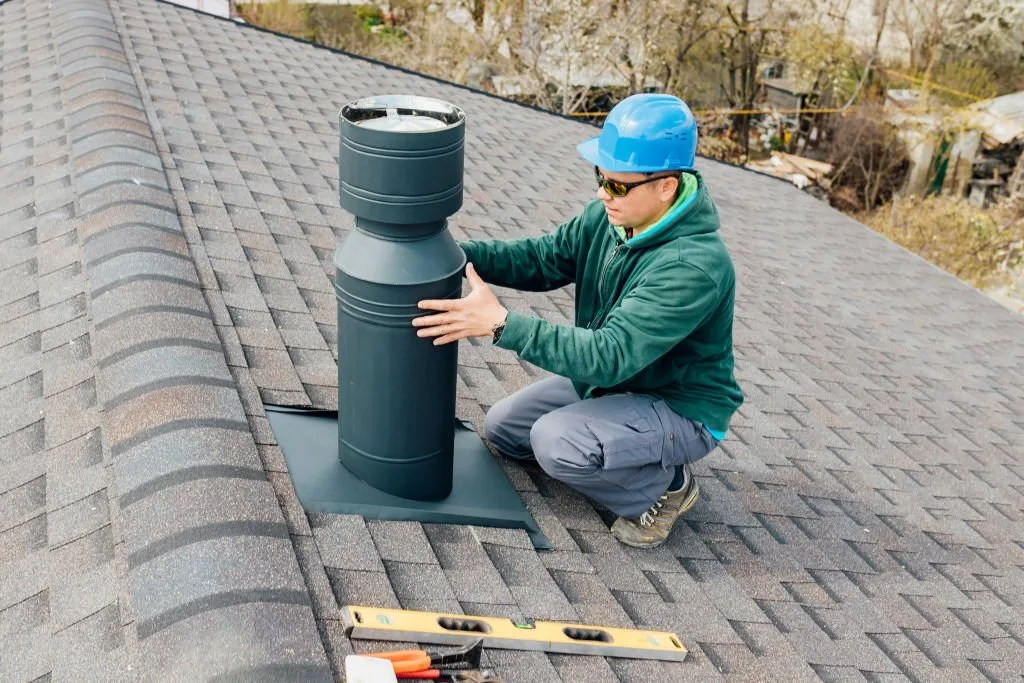
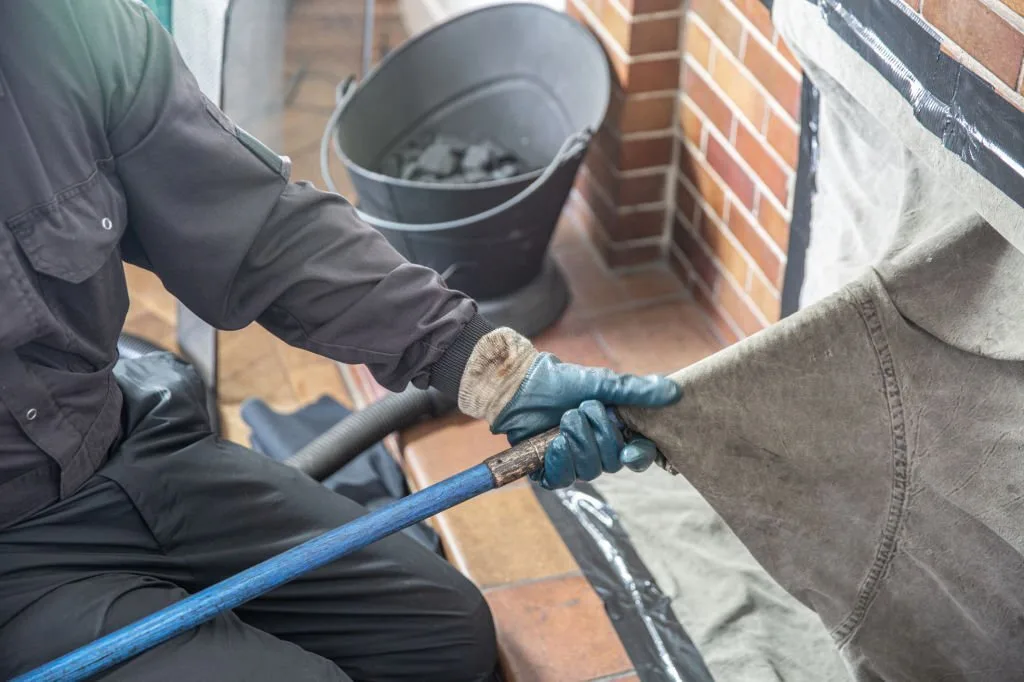
Gas Fireplace Repair in action
Fireplace clicking, dropping out or burning dirty? Let us find out why.
Call 206-207-3974, Sunday through Friday 7am to 8pm, to request a quote for gas fireplace repair anywhere in King, Pierce or Snohomish County.
☎ (206) 207-3974 Request ServiceQuestions
Gas Fireplace Repair FAQ
My gas fireplace clicks but will not light. What is usually wrong?
After you have confirmed the gas shutoff is on and the batteries are fresh, the most common causes are a dirty or misaligned spark electrode, a pilot orifice plugged with debris, or a flame-sensing rod that is no longer reading the pilot. Each of those is a quick fix for a technician, and each is something we test in the first few minutes of a visit.
Why does my fireplace light and then go out after a minute?
That pattern almost always points to the flame-proving side of the system: a thermocouple or thermopile that has weakened with age or corrosion, or a flame sensor that is fouled. The valve is told the pilot is not reliable, so it closes for safety. We measure the millivolt output directly, which tells us whether the part needs cleaning or replacing. Because this page is about diagnosing the whole system, we also rule out drafts, venting and log placement before blaming the part.
Can you tell me what is wrong over the phone?
We are happy to walk you through the homeowner-safe checks on this page by phone, but we do not diagnose gas appliances remotely. Too many faults look alike from the outside, and a wrong guess on a gas appliance is not worth the risk. An in-person test of the ignition chain is the only honest answer.
Is a yellow flame dangerous?
Decorative gas logs are designed to show some yellow in the flame tips, but a flame that is mostly yellow, lazy, sooting the glass or lifting off the burner means combustion is incomplete. Incomplete combustion can produce carbon monoxide. Turn the unit off, make sure your CO alarm is working, and have it looked at before using it again.
What is the difference between gas fireplace repair and pilot light repair?
Pilot Light Repair is the focused job when the pilot flame itself is the known problem: it will not light, will not stay lit, or burns weak. Gas fireplace repair is the broader diagnostic visit for when you do not yet know where the fault is, which might be the pilot, but might just as easily be the remote receiver, the control module, the valve, the venting or the log placement. If your pilot is clearly the issue, book Pilot Light Repair; if you are not sure, book this.
How often should a gas fireplace be serviced to avoid repairs?
NFPA 211 recommends an annual inspection of fireplaces and venting systems, and for gas units that yearly visit is also when a technician cleans the pilot assembly, checks the millivolt readings and inspects the gasket and venting. Most of the repair calls we take in the fall are from fireplaces that were never serviced; a yearly check, described on our Gas Fireplace Cleaning page, catches weak parts before they leave you without heat in January.
Related services
Service areas
Helpful reading