Home › Services › Chimney Annual Inspection
Chimney Annual Inspection Seattle, WA
A once-a-year chimney checkup for homes across Seattle, Tacoma and King, Pierce and Snohomish counties that catches small problems before the next burning season.
- 25+ years in business
- CSIA certified
- Licensed, bonded & insured
Request Chimney Annual Inspection
Tell us what's going on — we'll confirm a time by phone or text.
A chimney annual inspection is the yearly checkup that NFPA 211 and the Chimney Safety Institute of America recommend for every chimney and venting system, whether you burned wood every night last winter or lit three fires. It is a scheduled, repeatable look at the flue, firebox, damper, smoke chamber, crown and cap so that changes from one year to the next get caught while they are still small and inexpensive. In a climate that rains for eight months, the question is rarely whether something changed this year, but what.
Our general chimney inspection page describes the inspection service itself and the three levels it can be performed at. This page is about the cadence: why once a year is the standard, what a twelve-month gap does to a Puget Sound chimney, and how the annual visit decides whether a chimney annual sweep is actually needed this year or can wait. If you are buying or selling a home, the chimney real estate inspection page covers that different, transaction-driven scope.
James Chimney Sweep has served Seattle and the Puget Sound for more than 25 years. We are CSIA certified and licensed, bonded and insured in Washington, and our annual inspections are performed by a technician who will tell you plainly what changed and what, if anything, needs attention before you light the first fire of the season.
Symptoms & Problems
Signs it has been too long since your last annual inspection
- You cannot remember the last time anyone looked inside the flue
- A faint campfire or damp smell in the living room on humid days
- Fires that are harder to start or smoke that hangs in the room
- Flaky black or shiny deposits visible just above the damper
- Rust streaks or white staining on the exterior brick
- Moss or plant growth on the crown or around the cap
- Bits of mortar, rust or debris in the firebox after a windstorm
- You switched fuels, installed a new appliance or had a chimney fire since the last check
How It Works
What happens during an annual inspection
Compare against last year
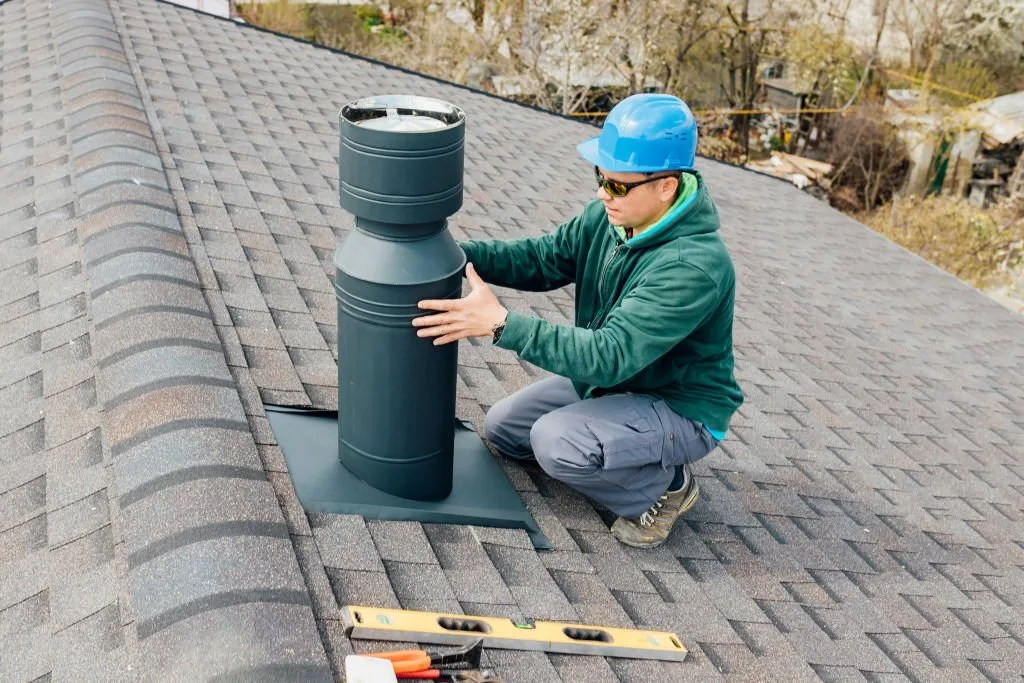
We start with what the chimney looked like at the previous visit, whether that is our own report or yours. Then we examine the firebox, damper, smoke chamber, flue liner, crown, cap, flashing and the visible exterior, looking specifically for anything that has changed in twelve months: new cracking, fresh staining, deposit build-up, shifting or movement.
Measure the creosote and note the defects
The technician checks how much creosote has accumulated and what stage it is in, confirms the damper and cap still work, and documents any masonry, liner or water-entry issues with photos. If the chimney is clean enough and sound, the inspection is the whole visit.
Tell you what this year needs
You get a written report that answers three questions: is the chimney safe to use, does it need a sweep now, and is there anything to budget for before next year. If a deeper Level 2 inspection or a repair is warranted, we explain why and let you decide.
Options
Ways to set up your annual inspection
- Annual inspection only — the standard yearly visit for a chimney that was swept recently or burns lightly; the technician confirms it is sound and tells you whether a sweep is due.
- Annual inspection with sweep if needed — book both in one visit so that if deposits have reached the point of needing removal, the sweep happens the same day instead of a second appointment.
- Seasonal timing (late summer or early fall) — the most common choice, so the chimney is checked and ready before the first cold snap and before the busiest weeks of the year.
- Post-season timing (spring) — useful for heavy burners, since deposits and any winter water damage are found right away and the chimney sits clean and dry through the summer.
- Multiple flues or appliances — fireplaces, wood stoves, inserts and furnace or water-heater flues on the same property can be inspected together on the same annual schedule.
Pricing
What affects the price
- Number of flues and appliances being inspected on the property
- Whether a sweep is added the same day because deposits need removal
- Type of system: open masonry fireplace, wood stove, insert or factory-built chimney
- Accessibility of the cap and crown and whether a camera scan is appropriate
- Chimney height and how many stories it serves
- Whether a prior report exists to compare against or this is the first documented baseline
- Travel distance within King, Pierce and Snohomish counties
We don't publish flat prices because every chimney is different. You'll get a written quote after we look at the system — no surprises.
Timing & Safety
When an annual inspection is necessary and when it is optional
NFPA 211 recommends that chimneys, fireplaces and vents be inspected at least once a year, and the CSIA echoes that guidance. In practice, the annual inspection is most important when:
- You burn wood regularly through the winter, even a few fires a week
- The chimney vents a furnace, boiler or water heater that runs year-round
- The home is older, the chimney is unlined or the liner is clay tile
- The chimney has had water intrusion, moss growth or crown cracking before
- You had a chimney fire, a lightning strike, a windstorm or an earthquake since the last look
- You changed appliances or fuel types, which changes how the flue behaves
It is closer to optional, though still worthwhile, for a gas fireplace that is rarely used or a decorative fireplace that has not been lit in years. Even then, a yearly check of the cap, crown and damper catches the water and animal problems that happen whether or not anything burns. If you are not sure which situation you are in, call and describe the chimney; we will tell you honestly.
Safety considerations
The annual inspection exists because the two biggest chimney hazards, creosote build-up and deteriorated flue liners, get worse quietly. Creosote can reach a flammable stage in a single heavy burning season, and a cracked or missing liner tile can let heat and gases reach framing without any visible sign inside the house.
- Do not use the fireplace if you have seen smoke or flames coming from the chimney exterior, heard roaring or popping from the flue, or smelled hot metal or strong smoke in rooms away from the fireplace; have it inspected first.
- Keep a working smoke alarm and carbon monoxide alarm on every level, and replace the batteries at the same time you schedule your inspection.
- Leave roof, cap and flashing checks to the technician; wet Puget Sound roofs and moss make them slick most of the year.
- If your chimney vents a gas appliance and you ever smell gas, leave the house and call your gas utility or 911. Gas lines and valves are only serviced by a qualified technician.
Seattle & Puget Sound conditions
A year is a long time for a chimney in Seattle, Tacoma or anywhere around Puget Sound. From October through May the masonry rarely dries out completely, so water that got past a hairline crown crack in the fall works deeper through the winter, and the handful of freeze-thaw nights we get each year push it further. Moss takes hold on north-facing crowns and around caps, holding even more moisture against the brick. Closer to the Sound, salt air accelerates rust on caps, dampers and factory-built chimney components. Inside the flue, our damp, cool climate means many homeowners burn wood that is not fully seasoned, which produces more creosote per fire than dry wood does. None of this is dramatic in a single season, which is exactly why an annual inspection matters here: the change from one year to the next is small enough to fix cheaply and large enough to find.
Real Work
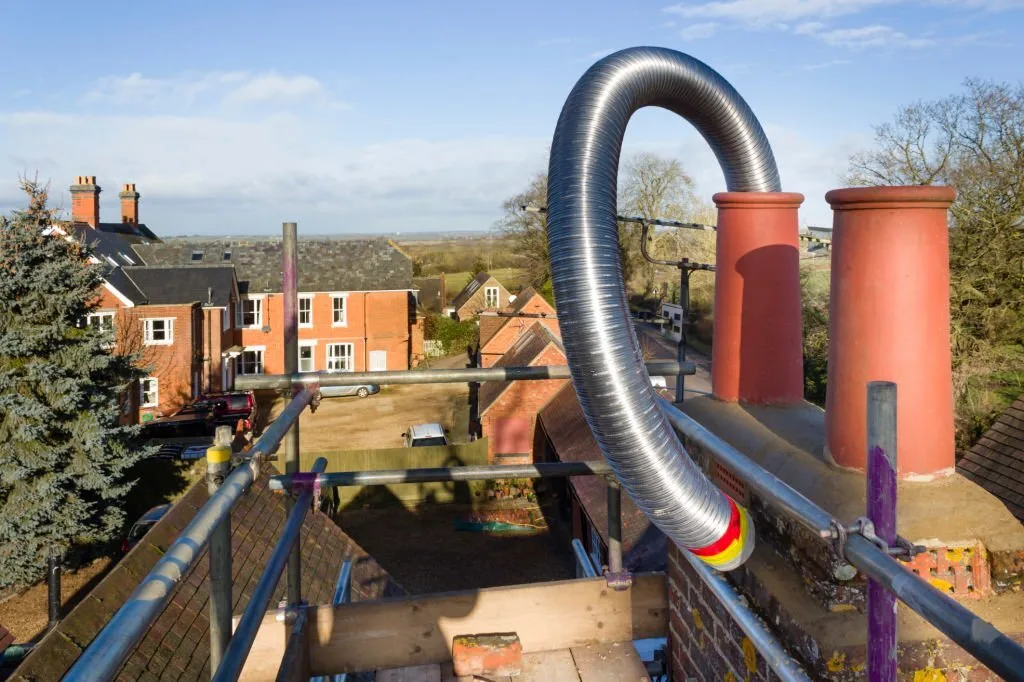
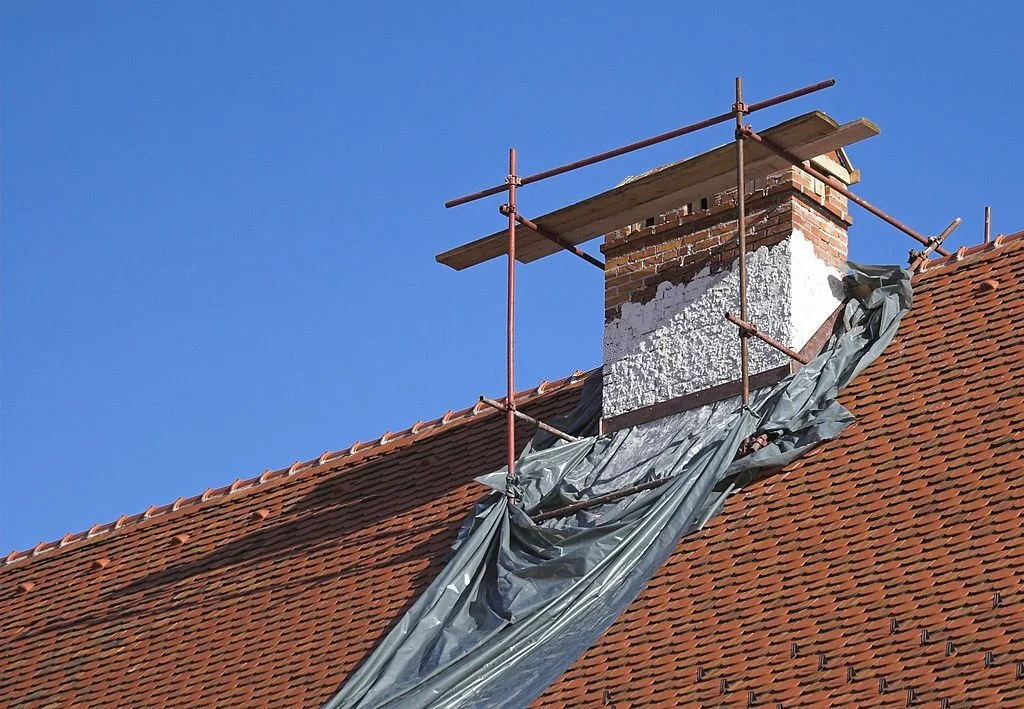
Chimney Annual Inspection in action
Put your chimney on a yearly schedule
Call 206-207-3974 or request a quote, and we will set up an annual inspection date that fits your burning season anywhere in King, Pierce or Snohomish County.
☎ (206) 207-3974 Request ServiceQuestions
Chimney Annual Inspection FAQ
Do I really need an inspection every year if I barely use the fireplace?
The yearly recommendation from NFPA 211 is not based on how much you burn; it is based on how much can change in a year. Light users mostly benefit from the exterior and water-entry side of the check, since crown cracks, failed caps and animal nests happen regardless of use. The inspection is usually quick for a lightly used chimney, and the report gives you a clean baseline for next year.
Is an annual inspection the same as an annual sweep?
No. The inspection is the look; the sweep is the cleaning. A chimney annual sweep removes the creosote and debris that have built up, while the annual inspection determines whether that build-up has reached the point where a sweep is needed. Many chimneys do not need sweeping every year, and the inspection is what tells you that.
Which inspection level is an annual inspection?
For a chimney that has not changed in use and has no known problems, the annual inspection is normally performed as a Level 1 inspection of the readily accessible parts of the system. If the visit finds something the technician cannot evaluate from the accessible areas, or if you have changed appliances or had an event such as a chimney fire, we will recommend stepping up to a Level 2 inspection, which includes a camera scan of the flue.
What time of year is best for the annual inspection in Seattle?
Late summer and early fall are the most popular because the chimney is checked before the first fires and before our calendar fills up with emergency calls. Spring has a real advantage for heavy burners, since winter water damage and creosote are found immediately and the chimney spends the dry months clean. Either works as long as it happens once every twelve months.
What does the annual inspection report include?
A written summary of the condition of the firebox, damper, smoke chamber, flue, crown, cap and flashing, photos of anything notable, the creosote stage we observed, a clear statement of whether the chimney is safe to use, whether a sweep is needed now, and any recommended repairs or follow-up. We keep it so next year's visit can be compared directly against it.
Can you inspect my furnace or water heater flue at the same visit?
Yes. Those flues run year-round and are often the most neglected part of a home's venting, so putting them on the same annual schedule as the fireplace is a good habit. Let us know what appliances are on the property when you request a quote so we can plan the visit.
Related services
Service areas
Helpful reading