
Home › Services › Chimney Liner Rebuild
Chimney Liner Rebuild Seattle, WA
Rebuilding damaged clay-tile flues in place across Seattle, Tacoma and the Puget Sound with tile replacement and cast-in-place relining.
- 25+ years in business
- CSIA certified
- Licensed, bonded & insured
Request Chimney Liner Rebuild
Tell us what's going on — we'll confirm a time by phone or text.
A chimney liner rebuild restores a damaged clay-tile flue in place instead of abandoning it. Rather than dropping a new stainless pipe down the chimney, we rebuild the flue wall itself: removing and replacing cracked or missing tiles, or pouring a cast-in-place liner that forms a new seamless flue and adds structural support to the whole masonry stack. Homeowners in Seattle, Tacoma and across King, Pierce and Snohomish counties usually need this when an inspection finds widespread tile failure in an older masonry chimney that is worth keeping intact.
How it differs from its closest sibling: Chimney Liner Replacement removes the old liner's function entirely and installs a new stainless steel system inside the existing flue. A rebuild keeps the masonry flue as the liner, repairing and reinforcing it. Chimney Liner Repair handles isolated problems, such as sealing a few joints or patching a single tile, without rebuilding the system. And Chimney Liner Installation covers chimneys that have no liner at all, or a new appliance needing its own dedicated flue.
James Chimney Sweep has served the Puget Sound for more than 25 years. We are CSIA certified, and licensed, bonded and insured in Washington. If your flue has been flagged for broken tiles or structural deterioration, we can assess whether a rebuild is the right path, and explain the alternatives honestly.
Symptoms & Problems
Signs Your Clay-Tile Flue Needs a Rebuild
- Inspection camera shows multiple cracked, shifted or missing flue tiles
- Pieces of clay tile found in the firebox or smoke shelf
- Mortar joints between tiles washed out along long stretches of the flue
- Flue is out of plumb, offset or has tiles that no longer line up
- Smoke or odor reaching rooms next to the chimney on upper floors
- Chimney was hit by a chimney fire and the tiles show heat cracking
- The flue is too small, too tall or too irregular for a stainless liner to fit with proper clearance
- Older masonry chimney with deteriorated brick or grout surrounding the flue
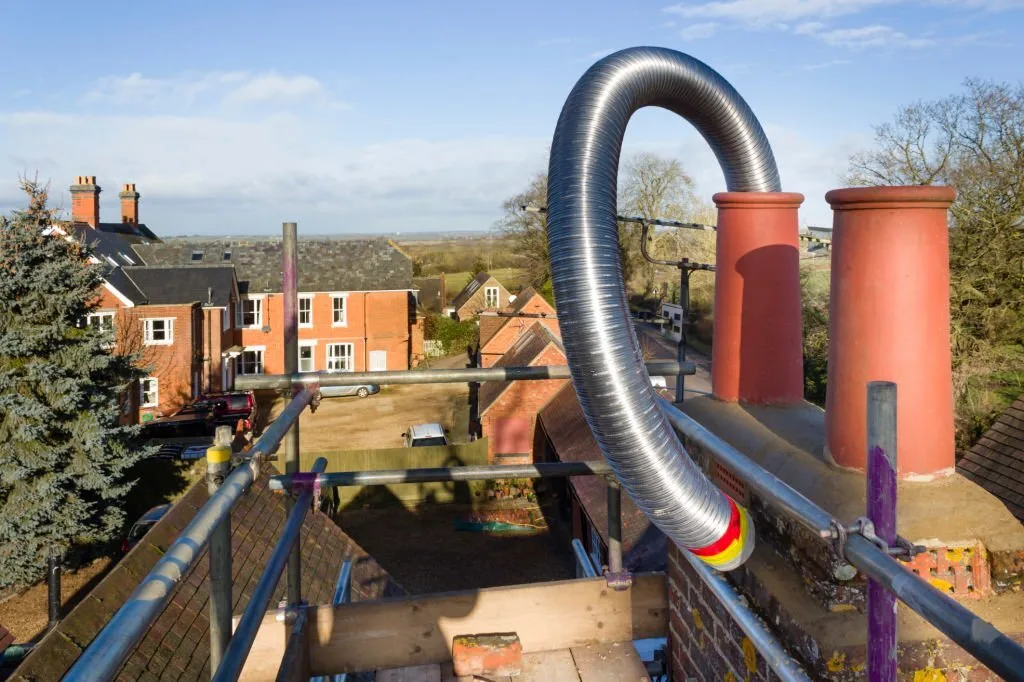
How It Works
How a Liner Rebuild Works
Camera inspection and structural assessment
We run a video camera down the full length of the flue to map every damaged tile, offset and open joint. We also assess the surrounding masonry, the smoke chamber and the crown, since a rebuild only makes sense if the chimney structure itself can be preserved. You receive the footage and a plain-language explanation of what we found.
Rebuild the flue wall
Depending on the extent of damage, we either remove and replace individual broken tiles and repoint the joints, or perform a cast-in-place reline: a form is set in the flue and a cementitious liner material is poured around it, filling voids and bonding to the old masonry. Once cured, the form is removed, leaving a smooth, continuous flue that also stiffens the chimney structure.
Verify, document and advise
After the work cures, we re-run the camera to confirm a continuous, properly sized flue with no voids. You get before-and-after footage, a written summary of the rebuild, and our recommendations for the next annual inspection and cleaning schedule.
Options
Rebuild Options We Offer
- Individual tile replacement — when only a handful of tiles are broken or missing and the rest of the flue is sound. Damaged sections are accessed, removed and replaced with new clay tile, then the joints are repointed.
- Joint resurfacing combined with tile replacement — when the tiles are mostly intact but mortar joints have eroded along much of the flue. Broken tiles are replaced first, then the joints are recoated to restore a continuous flue surface.
- Cast-in-place (poured) reline — when tile damage is widespread, the flue is offset or irregular, or the masonry itself needs reinforcing. The poured liner creates a new seamless flue and adds compressive strength to the entire chimney.
- Cast-in-place with flue resizing — when a chimney serving a different appliance than it was built for needs a smaller or differently shaped flue. The form is sized to the appliance so the new flue drafts correctly.
- Rebuild paired with smoke chamber parging — when the inspection shows the smoke chamber above the firebox is also rough or deteriorated. Parging it smooth at the same time gives the rebuilt flue a clean path from firebox to cap.
Pricing
What affects the price
- Number of damaged tiles and how far up the flue they sit
- Whether individual tile replacement is enough or a full cast-in-place reline is needed
- Flue height, diameter and the number of offsets or bends
- Condition of the surrounding brick, smoke chamber and crown
- Access to the chimney top and the work area around the fireplace
- Whether the flue must be resized for a new appliance
- Chimney fire damage that requires extra removal of loose or glazed material
We don't publish flat prices because every chimney is different. You'll get a written quote after we look at the system — no surprises.
Timing & Safety
When a Rebuild Is Necessary, and When It Is Optional
A rebuild is the right call when the inspection shows the clay-tile flue can no longer contain heat and combustion gases on its own, but the chimney structure is worth preserving. That is common in older brick homes around Seattle, Tacoma and Everett, where the masonry is sound and original but the tiles have cracked from decades of use or a past chimney fire.
- Necessary: multiple broken or missing tiles, open joints that let gases reach the brick, a flue damaged by a chimney fire, or a chimney where a stainless liner cannot fit the flue's size or shape without reducing draft.
- Strongly recommended: a masonry chimney where the brick and mortar surrounding the flue are also weakening, since a cast-in-place liner reinforces the stack from the inside.
- Optional: a flue with one or two isolated cracks and otherwise sound tiles. In that case Chimney Liner Repair may be sufficient, and we will tell you so.
- Consider replacement instead: if the masonry is failing so badly that reinforcement will not save it, or if a stainless liner fits well and suits your appliance, Chimney Liner Replacement can be the more practical route.
Until the flue is rebuilt, we recommend not using the fireplace or appliance connected to it.
Safety considerations
A cracked or missing tile breaks the seal between the flue and the rest of the house. Hot gases and embers can reach framing, and carbon monoxide can seep into living spaces. NFPA 211 recommends that a chimney flue be continuous and sized for the appliance it serves, which is exactly what a rebuild restores.
- Do not use a fireplace or stove whose flue has been flagged for tile failure until the work is complete.
- Keep working carbon monoxide and smoke alarms on every level of the home.
- Leave chimney-top work to us. We handle the roof access, the camera inspection and the forming of the new flue.
- If the chimney serves a gas appliance: if you ever smell gas, leave the house and call your gas utility or 911. Gas lines and valves are only serviced by a qualified technician.
Seattle & Puget Sound conditions
Puget Sound weather is hard on clay-tile flues. Months of rain soak into unlined or poorly capped chimneys, and the mild freeze-thaw cycles that hit Seattle, Tacoma and the foothills each winter pry open mortar joints a little at a time. Moss on the crown traps even more moisture. Over years that water migrates into the tile joints and flue wall, which is why so many older brick chimneys here show eroded joints and cracked tiles even when the home has not had a chimney fire. A cast-in-place rebuild fills those eroded joints and seals the flue wall against water, while the added structural mass helps a tall, weathered masonry stack stand up better in wind and the occasional ground shake. Closer to the Sound, salt-laden air accelerates the breakdown of exposed mortar, so a rebuild is often paired with crown and cap work to keep the restored flue dry.
Real Work
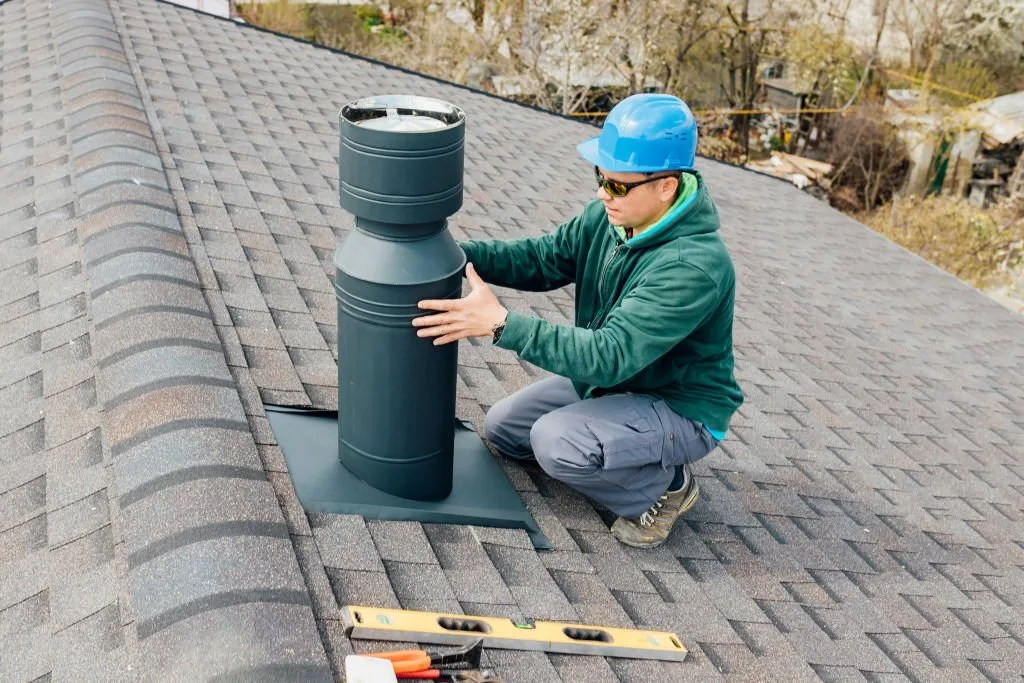
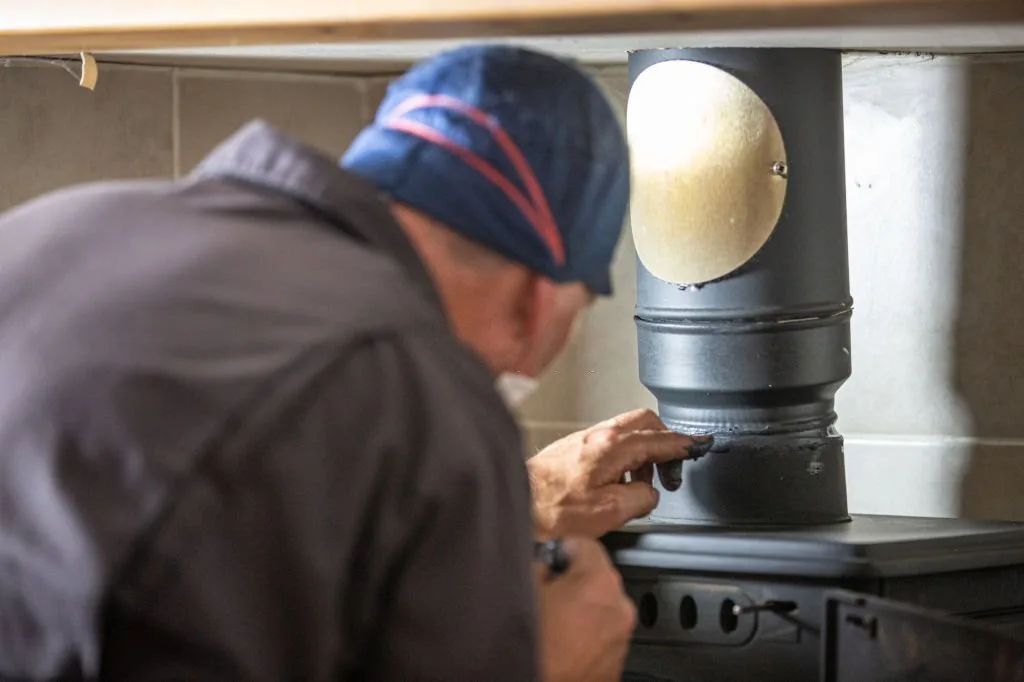
Chimney Liner Rebuild in action
Keep Your Masonry Chimney and Rebuild the Flue
Call 206-207-3974 or request a quote, and we will inspect your clay-tile flue and tell you honestly whether a rebuild or another option is the right fit.
☎ (206) 207-3974 Request ServiceQuestions
Chimney Liner Rebuild FAQ
What is the difference between a liner rebuild and a liner replacement?
A rebuild repairs and reinforces your existing clay-tile flue so the masonry itself continues to serve as the liner. A replacement installs a new stainless steel liner inside the flue and the old tiles no longer do the job. We recommend a rebuild when the chimney structure is worth preserving, when a stainless liner would not fit properly, or when the masonry needs the extra support a poured liner provides.
Can you replace just the broken tiles without redoing the whole flue?
Often yes. If only a few tiles are cracked or missing and the rest are sound, we can access those sections, replace the tiles and repoint the joints. If damage is spread through much of the flue, a cast-in-place reline is usually the more durable answer.
How does cast-in-place relining add structural support?
The poured liner material bonds to the inside of the flue and hardens into a continuous cylinder. It fills voids behind broken tiles and in eroded joints, so the chimney gains a solid core that resists cracking, leaning and the effects of moisture. That is a real advantage for older masonry chimneys in the Puget Sound.
Is a rebuild a good choice for a historic brick chimney?
It is frequently the best choice. A rebuild keeps the original masonry intact and working as a flue, which matters for older Seattle and Tacoma homes where the chimney is part of the home's character. It also avoids the draft and clearance issues that can come with fitting a stainless liner into an irregular historic flue.
How long does a chimney liner rebuild take?
Individual tile replacement can often be done in a day. A cast-in-place reline typically takes longer because the material needs time to cure before the form is removed and the flue is verified with a camera. We will give you a realistic timeline after the inspection.
Will I need to stop using my fireplace during the rebuild?
Yes. The flue must stay cool and unused from the time damage is confirmed until the rebuild is complete and verified. We will let you know when it is safe to light a fire again.
Related services
Service areas
Helpful reading