Home › Services › Chimney Liner Repair & Replacement
Chimney Liner Repair & Replacement Seattle, WA
Camera-verified diagnosis, flue tile repair and stainless steel relining for fireplaces, wood stoves and furnace flues across Seattle, Tacoma and the Puget Sound corridor.
- 25+ years in business
- CSIA certified
- Licensed, bonded & insured
Request Chimney Liner Repair & Replacement
Tell us what's going on — we'll confirm a time by phone or text.
The chimney liner is the inner channel that carries smoke, heat and combustion gases from your fireplace, stove or furnace safely out of the house. When the liner cracks, separates or wears through, those gases and hot embers can reach the brick, the framing and the living space behind the wall. James Chimney Sweep repairs and replaces chimney liners in Seattle, Tacoma and across King, Pierce and Snohomish counties, starting with a video camera inspection so you know exactly what is wrong before anything is sold.
Liner repair is for homeowners who have been told their flue tiles are cracked, who see flaking clay or rust in the firebox, who smell smoke in other rooms, or who are connecting a new wood stove, insert, furnace or water heater to an older masonry chimney. It is also the right service if a home inspection flagged the flue during a sale.
Our team works with the three liner types found in Puget Sound homes: original clay tile, stainless steel relining systems and cast-in-place liners. The page below explains how each one is repaired or replaced, what drives the cost, and when repair is genuinely necessary versus optional.
Symptoms & Problems
Signs Your Chimney Liner May Be Damaged
- Pieces of clay tile or flaky, shale-like material in the firebox or smoke shelf
- Smoke leaking into upstairs rooms, the attic or an adjoining room while a fire burns
- Visible cracks, gaps or missing mortar at the tile joints when looking up the flue
- Rust streaks, white staining or damp patches on the chimney brick outside
- A furnace or water heater flue that was never lined or shows corrosion
- A chimney fire in the past, even a small one that went out on its own
- A new stove or insert whose pipe diameter does not match the old flue
- A camera inspection report from a home sale noting flue defects
How It Works
How We Handle Liner Repair and Replacement
Camera inspection of the full flue
A technician runs a video camera from the firebox to the top of the chimney and records cracks, gaps, offsets, creosote glazing and missing tiles. You see the footage and we explain what it means for your system. We do not diagnose liners from photos or phone descriptions.
Repair or reline, based on what the camera shows
Minor joint gaps and surface damage may be addressed with a joint repair or resurfacing product applied inside the flue. Tiles that are cracked through, shifted or missing usually mean a new stainless steel liner or a cast-in-place liner sized to the appliance.
Written report and next steps
You receive a report with the inspection findings, the work performed, the liner type and size installed, and any follow-up needed. For a new liner we also confirm the connection to the appliance and the termination at the cap so the system is ready to burn.
Options
Liner Repair and Replacement Options
- Flue joint repair and resurfacing — applies when the clay tiles are sound but the mortar joints have eroded or there is shallow surface spalling. A liquid or ceramic coating is applied inside the flue to seal joints and restore a smooth surface. Best for lightly used fireplaces with a straight flue.
- Replacing individual clay tiles — applies when one or two tiles near the top or bottom are broken and can be reached. Common on shorter chimneys or where access is straightforward. Not practical for tiles in the middle of a tall flue.
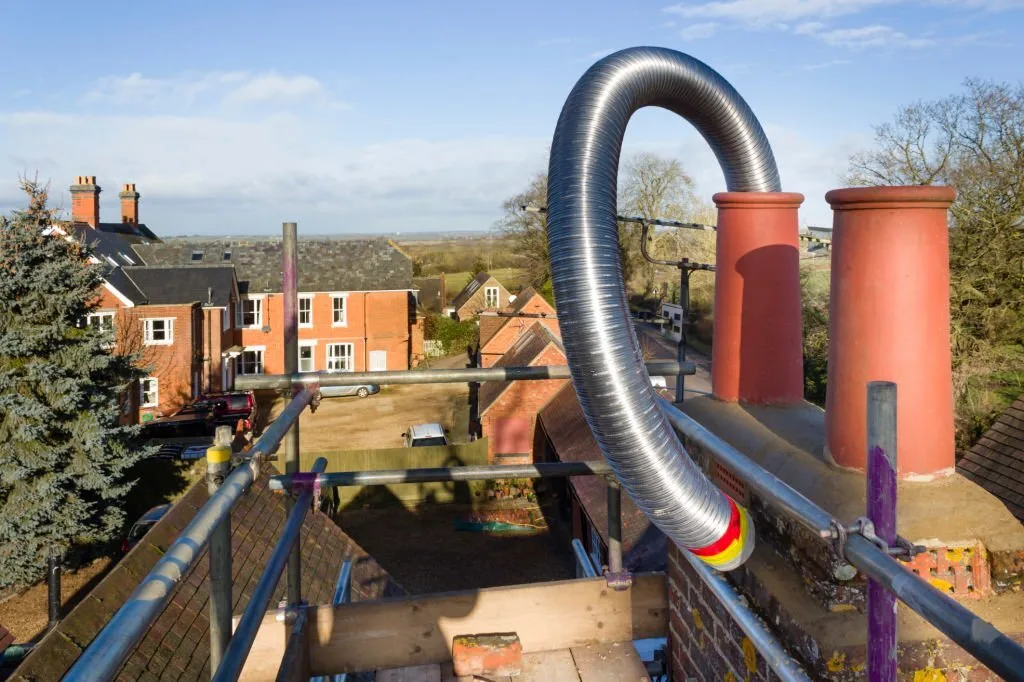
- Stainless steel reline — the most common full replacement. A flexible or rigid stainless liner is sized to the appliance and installed inside the existing chimney, often with insulation around it. Used for wood stoves and inserts, open fireplaces with failed tiles, and gas or oil furnace flues.
- Cast-in-place liner — a cement-like material is poured or pumped to form a new seamless flue inside the masonry. Best where the old liner has collapsed, the chimney is structurally weak, or the flue is oddly shaped and a steel liner would not fit well. It also strengthens the chimney itself.
- Liner for a new appliance — applies when you add a wood insert, pellet stove or high-efficiency furnace. The manufacturer typically requires a properly sized liner to the appliance collar; an oversized old flue will not draft correctly.
Pricing
What affects the price
- Liner type chosen: joint resurfacing, individual tile replacement, stainless steel or cast-in-place
- Height of the chimney and number of stories the liner must run
- Flue diameter and shape, including offsets and bends that complicate installation
- Whether the old liner must be removed or broken out to fit a new one
- Insulation wrap or pour-in insulation around a stainless liner
- Appliance connection work such as a new tee, adapter or stove pipe
- Condition of the crown, cap and masonry, which may need repair at the same time
We don't publish flat prices because every chimney is different. You'll get a written quote after we look at the system — no surprises.
Timing & Safety
When Liner Work Is Necessary vs Optional
A chimney liner is not cosmetic. Its job is to keep heat and gases inside the flue. The following situations call for repair or replacement before the next fire:
- Necessary: cracked or missing flue tiles confirmed by camera, gaps at the joints that expose brick, any liner damage after a chimney fire, a masonry chimney with no liner at all serving a wood or oil appliance, or a furnace flue with corrosion that lets exhaust escape.
- Necessary when changing appliances: installing a wood insert, pellet stove or new furnace into an existing chimney almost always requires a correctly sized liner, both for draft and to meet the appliance manufacturer's installation instructions.
- Optional or deferred: minor surface roughness on otherwise intact tiles, light mortar erosion in a fireplace that is rarely used, or an aesthetic concern about an older but sound liner. In these cases we note it in your inspection report and recommend re-checking it at the next annual inspection.
NFPA 211 recommends that chimneys, fireplaces and vents be inspected at least once a year, and that the flue be cleaned when deposits require it. A liner defect is one of the most common findings in those annual inspections, and catching it early usually means a smaller repair.
Safety considerations
A damaged liner creates two distinct hazards. The first is fire: gaps in the tiles let hot gases and sparks reach the wood framing that sits close to most masonry chimneys, and chimney fires can start there unnoticed. The second is carbon monoxide: combustion gases that leak through the liner into wall cavities can find their way into bedrooms and living areas, especially with a furnace or water heater flue that runs every day.
- Stop using the fireplace, stove or appliance until the flue has been inspected if you see tile pieces, smoke in other rooms or rust in the firebox.
- Install carbon monoxide alarms on every level and near sleeping areas. If an alarm sounds, get everyone outside and call the fire department.
- If you ever smell gas near a gas appliance or fireplace, leave the house immediately and call your gas utility or 911 from outside. Do not operate switches or try to find the source.
- Do not attempt to inspect the flue from the roof or drop tools down the chimney. Our technicians use cameras and proper equipment.
- Liner work on a gas appliance should be coordinated with the appliance installer; we do not work on gas lines or gas valves.
Seattle & Puget Sound conditions
Puget Sound chimneys take a beating from water. Months of rain soak into porous brick, and on the cold clear nights that follow, trapped moisture freezes and expands. Repeated freeze-thaw cycles loosen the mortar joints between clay tiles and can crack the tiles themselves, particularly near the top of the chimney where a worn crown or missing cap lets water straight in. Moss and lichen on the chimney hold that moisture against the masonry even longer. Inside the flue, damp creosote is more acidic and eats at tile joints faster than it does in dry climates. Many older Seattle and Tacoma homes also have original unlined or partially lined chimneys that were built for coal or oil and were later adapted for wood stoves or modern furnaces; these are the ones most likely to need a new stainless liner. When we reline, we typically pair the work with a cap and crown check so the new liner is protected from the same rain that damaged the old one.
Real Work
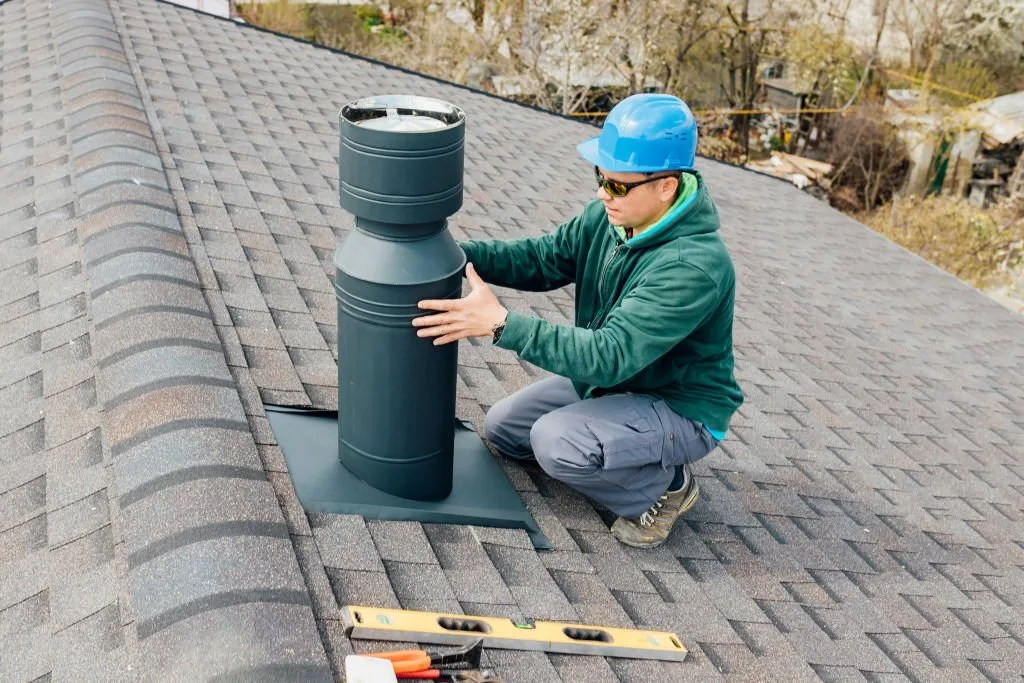
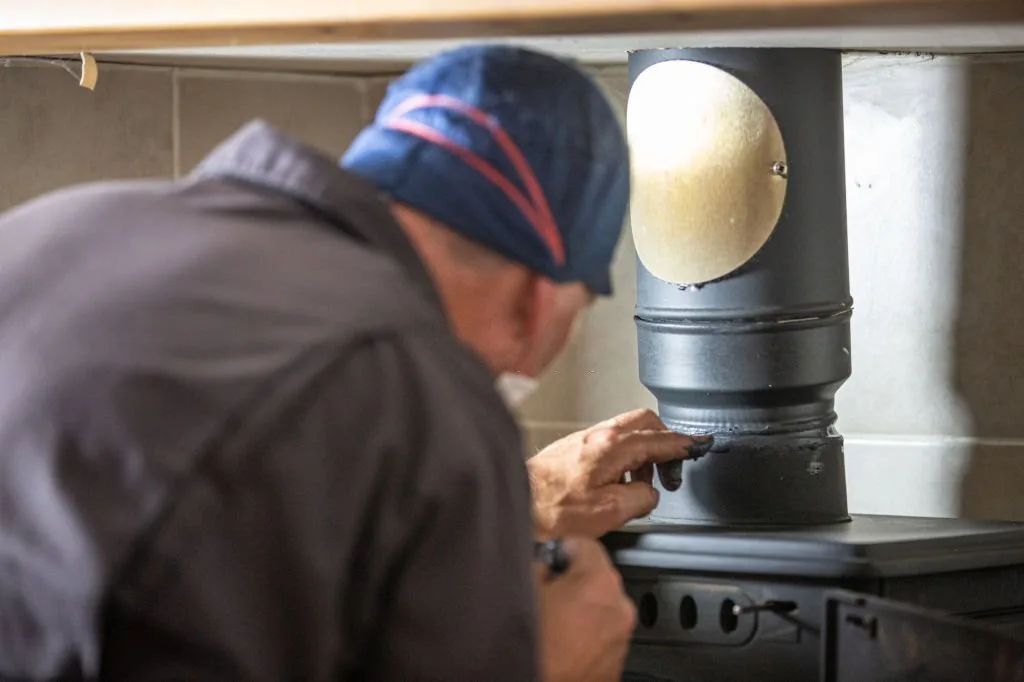
Chimney Liner Repair & Replacement in action
Find Out What Your Flue Actually Looks Like
Call 206-207-3974 or request a quote online to schedule a camera inspection and get a straight answer on repair versus relining.
☎ (206) 207-3974 Request ServiceQuestions
Chimney Liner Repair & Replacement FAQ
How do I know if my chimney liner really needs replacing, or if it can be repaired?
Only a camera inspection can answer that. If the tiles are intact and the problem is limited to the mortar joints, a resurfacing repair often works. If tiles are cracked through, shifted or missing, or if the damage is spread along the flue, relining is the reliable fix. We show you the footage so the decision is based on what is actually there.
Is a stainless steel liner better than clay tile?
Each has a place. Clay tile is durable when intact and is what most masonry chimneys were built with. Stainless steel can be sized exactly to an appliance, handles the concentrated heat of wood stoves and inserts well, and can be insulated for better draft. For an existing chimney with failed tiles, stainless is usually the practical choice because it goes in without rebuilding the masonry.
What is a cast-in-place liner and when would you recommend it?
A cast-in-place liner is a seamless cement-based flue formed inside the chimney. We recommend it when the old liner has broken up, the chimney structure is weak and benefits from reinforcement, or the flue shape would not accept a steel liner cleanly. It takes longer to install than a steel liner but produces a smooth, insulated flue.
Can I keep using my fireplace until the liner is fixed?
We recommend not using it. A cracked liner can let hot gases reach framing or allow carbon monoxide into the home, and you cannot see either happening. If the camera inspection finds defects, hold off on fires until the repair is complete.
Do I need a new liner when I install a wood insert or pellet stove?
In nearly every case, yes. Inserts and stoves have a small flue collar, and venting them into a large old fireplace flue causes poor draft, heavy creosote and smoke problems. Manufacturers specify a liner run from the appliance to the top of the chimney, and that is how we install them.
How long does liner replacement take?
Most stainless steel relines on a single-flue chimney are completed in one day, including the camera inspection and appliance connection. Cast-in-place liners and chimneys with removal of old tile or multiple flues can take longer. We confirm the expected time after the inspection.
Related services
Service areas
Helpful reading