
Home › Services › Fireplace Installation
Fireplace Installation Seattle, WA
New wood-burning fireplaces and inserts installed in Seattle, Tacoma and across King, Pierce and Snohomish counties.
- 25+ years in business
- CSIA certified
- Licensed, bonded & insured
Request Fireplace Installation
Tell us what's going on — we'll confirm a time by phone or text.
Fireplace installation means putting a new wood-burning fireplace or insert into your home: a factory-built (zero-clearance) unit framed into a wall, a masonry fireplace built from firebrick and block, or a steel insert set into an existing open firebox. The job is not just the appliance. It is the venting, the chimney or flue liner it connects to, the clearances to framing and combustibles, the hearth extension, and the permit and inspection that make it legal to light. James Chimney Sweep has done this work around the Puget Sound for 25+ years as a CSIA certified company, licensed, bonded and insured in Washington.
This page covers new wood-burning installations and inserts. If you want to restore an existing fireplace that is cracked, smoking or falling apart, that is fireplace repair, a different service. If the structure is fine and you want a new look, fireplace remodel and fireplace refacing handle the cosmetic side. And if you are leaning toward a gas unit, gas fireplace installation is its own job with its own venting and gas-line rules, which we also perform but describe separately.
Who needs this? Homeowners adding a fireplace to a room that never had one, people replacing a worn-out or unsafe open fireplace with an efficient EPA-certified insert, and anyone whose older factory-built unit has reached the end of its service life and cannot be repaired with parts that still exist.
Symptoms & Problems
Signs a new fireplace or insert is the right move
- Your open masonry fireplace sends most of its heat up the chimney and the room stays cold
- The existing factory-built unit is discontinued and replacement panels or parts no longer exist
- A previous inspection found the firebox or smoke chamber is beyond practical repair
- You are remodeling or adding on and want a fireplace where there was none
- Your home has an unused chimney that could serve a new insert after lining
- Smoke stains on the mantel and a chronic draft problem point to a poorly built original
- Your insurance or home inspector flagged an unlisted or improperly installed fireplace
- You want a wood burner that meets current Washington emission rules and burn-ban exemptions
How It Works
How we install a fireplace
Site evaluation and design
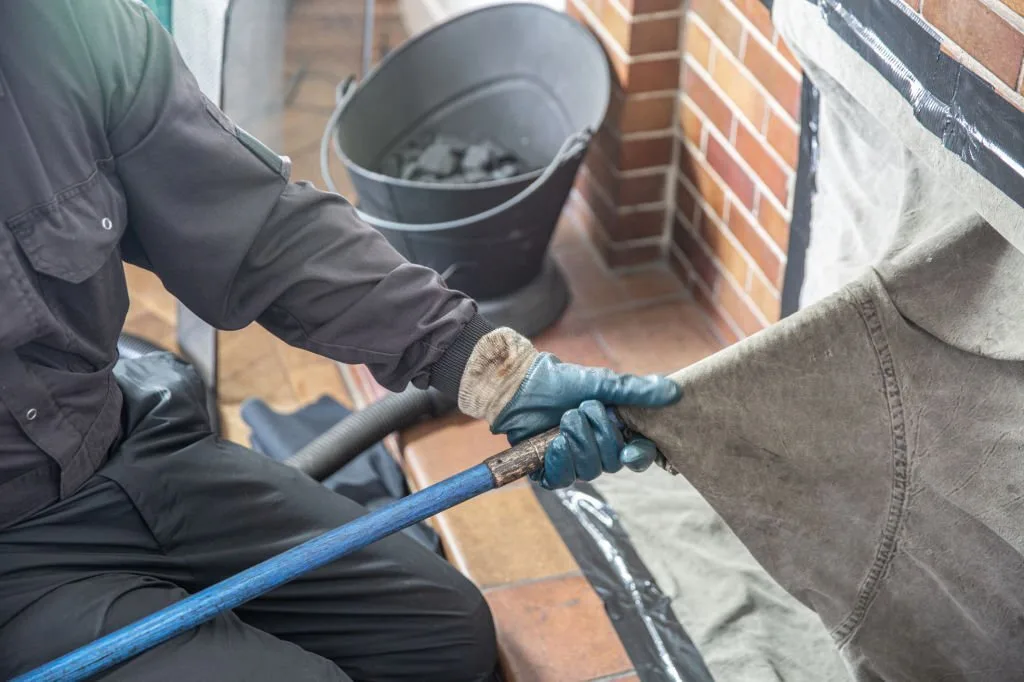
We visit, measure the room and wall, look at framing, floor structure and the roof line, and inspect any existing chimney with a camera. From that we recommend masonry, factory-built or insert, confirm the venting route, the hearth size and every clearance, and prepare a written quote and a permit plan.
Installation and venting
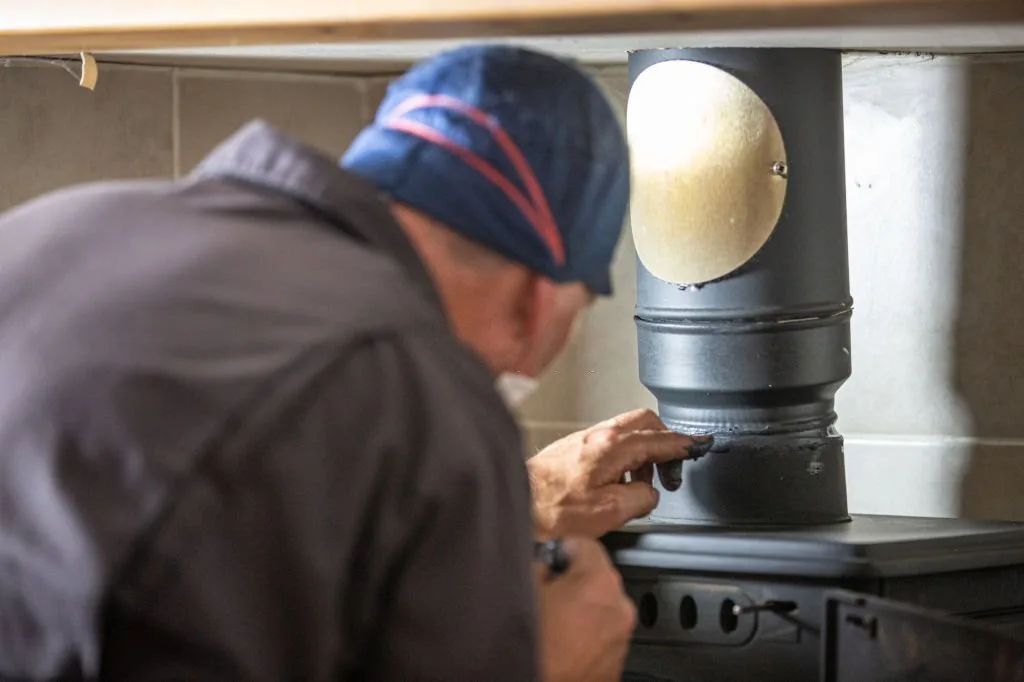
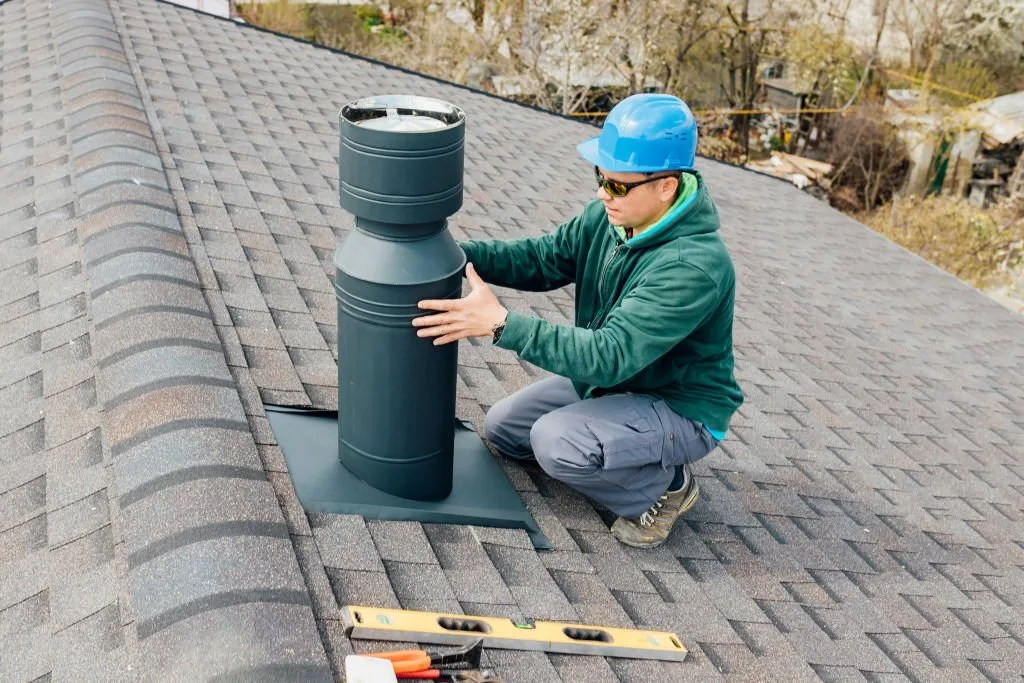
We set the unit or build the firebox, frame and fire-block the chase, run the listed chimney system or stainless liner, install the cap, flashing and storm collar, and build the hearth extension to the manufacturer's listing and the code. Inserts get a full-height liner sized to the appliance, sealed at the top and the firebox opening.
Inspection, test fire and walkthrough
We meet the municipal inspector, do a test burn to verify draft and operation, and walk you through starting fires, the damper or bypass, and the first-season break-in. You receive the manufacturer documents, the permit closeout and our recommended cleaning and inspection schedule.
Options
Installation options
- Factory-built (zero-clearance) wood fireplace — the most common choice for new construction, additions and rooms with no chimney. The listed unit, chimney pipe, and framing clearances all come from the manufacturer's listing, and it can be faced with stone, tile or drywall after it is in.
- Wood-burning insert into an existing masonry fireplace — when you already have a sound open masonry firebox and want far more heat and far less smoke. The insert slides in, a stainless liner runs to the top, and the old opening is closed with a surround panel.
- New masonry fireplace — firebrick firebox, smoke chamber, clay or stainless flue and a full masonry chimney. Heavier, slower to build and needs a footing, but it is a permanent part of the structure and the look many older Seattle homes call for.
- Freestanding wood stove with Class A chimney — not strictly a fireplace, but often the better answer in a basement, shop or cabin where a fireplace would be hard to vent. We will tell you when it makes more sense.
- Relining or rebuilding an existing chimney to serve the new unit — many older chimneys in King, Pierce and Snohomish counties are unlined or have cracked tile; a stainless liner is typically added as part of the insert job rather than a separate project.
Pricing
What affects the price
- Type of unit: insert, factory-built fireplace or full masonry fireplace
- Whether an existing chimney can be lined and reused or a new venting system must be run
- Height and route of the chimney or vent pipe, including roof pitch and number of offsets
- Framing, chase construction, fire-blocking and hearth extension work required
- Structural support needed, such as a footing for masonry or floor reinforcement
- Facing material and finish carpentry you want around the new fireplace
- Permit and inspection fees in your city or county
We don't publish flat prices because every chimney is different. You'll get a written quote after we look at the system — no surprises.
Timing & Safety
When installation is necessary vs optional
Installation is the right call, not a luxury, when:
- The existing fireplace has structural damage that a repair cannot reasonably fix
- The factory-built unit is obsolete and listed replacement parts are unavailable, so any repair would leave it outside its listing
- A home inspection or insurer has called out an unlisted, unvented or improperly installed fireplace
- You are already opening walls for a remodel and a fireplace is part of the plan
It is optional, and worth a conversation, when:
- Your open fireplace works but you want heat you can actually feel; an insert is usually the answer and you can plan it for the off-season
- The firebox panels are cracked but the unit is current; fireplace panel replacement may be the smaller, smarter job
- The damper leaks air but everything else is sound; chimney damper repair solves that without touching the appliance
Safety considerations
A wood fireplace is a controlled fire inside a wood-framed house, and the details are what keep it that way.
- We install strictly to the manufacturer's listing and to the Washington-adopted building and mechanical codes, and we pull the permit. An unpermitted fireplace can become a problem at resale and with insurance.
- Clearances to combustibles, the hearth extension size, and the chimney height above the roof are not negotiable; we do not shrink them to fit a design.
- Factory-built fireplaces must be matched to their own listed chimney system. Mixing brands or using a masonry flue that is not part of the listing is unsafe.
- NFPA 211 recommends an annual inspection for every solid-fuel appliance, and we recommend the first one after your first burning season.
- Every installation should pair with working smoke and carbon monoxide alarms on each level.
- We do not ask homeowners to go onto the roof or into the flue; leave the chimney side of the job to us.
Seattle & Puget Sound conditions
Seattle and Tacoma homes bring a few specific things to a fireplace install. Burn bans under Puget Sound Clean Air Agency rules mean an EPA-certified insert or fireplace is often the only wood burner you are allowed to use during a Stage 1 ban, so certification is not just about efficiency here. Our long rainy season makes the chimney cap, storm collar and flashing the most important details on the roof; a vent that leaks in November will rust pipe and stain drywall by spring. Moss on north-facing roofs holds water against flashing, and freeze-thaw during cold snaps opens up mortar joints on older masonry, which is why we camera-inspect any existing chimney before we agree to hang an insert off it. Closer to the Sound, salt air shortens the life of galvanized parts, so we specify stainless caps and liners. And many pre-1950 homes in King, Pierce and Snohomish counties have unlined or partially lined chimneys that look fine from the hearth and are not; a liner is usually part of the plan, not an upsell.
Real Work
Fireplace Installation in action
Plan your new wood fireplace or insert
Call 206-207-3974 or request a quote and we will come out, inspect your chimney and walls, and recommend the right unit and venting for your Seattle-area home.
☎ (206) 207-3974 Request ServiceQuestions
Fireplace Installation FAQ
Can I add a wood fireplace to a room with no chimney?
Yes. A factory-built fireplace with its own listed Class A chimney can be framed into most exterior or interior walls, with the pipe run through the ceiling and roof or out and up an exterior chase. We confirm the route and clearances on the site visit.
Insert or new fireplace: which is better for an existing masonry fireplace?
If the masonry firebox and chimney are structurally sound, an insert with a full stainless liner usually gives the most heat for the least construction. If the firebox, smoke chamber or chimney are badly damaged, a new factory-built unit or a rebuild may be the better long-term answer. The camera inspection decides it.
Do I need a permit for fireplace installation in Seattle?
Yes. Installing a fireplace, insert or new chimney system typically needs a permit and inspection in Seattle, Tacoma and the surrounding cities and counties. We handle the application and meet the inspector.
Will a new wood fireplace be allowed during burn bans?
During a Stage 1 burn ban in the Puget Sound region, certified wood stoves, inserts and fireplaces are generally still allowed to burn while uncertified fireplaces are not; a Stage 2 ban stops all wood burning unless it is your only adequate heat source. That is a strong reason to choose a certified unit.
How long does a fireplace installation take?
An insert into a sound masonry fireplace is often a one-day job once the liner and unit are on hand. A factory-built fireplace with framing, venting and finish typically runs several days. A new masonry fireplace is a multi-week project including the footing and curing time. Permit review adds lead time before work starts.
What about a gas fireplace instead?
We install those too, but it is a separate service with different venting, clearances and gas-line requirements; see our gas fireplace installation page. If you ever smell gas, leave the house and call your gas utility or 911. Gas lines and valves are only serviced by a qualified technician.
Related services
Service areas
Helpful reading