
Home › Services › Chimney Crown Sealing
Chimney Crown Sealing Seattle, WA
Preventive, breathable crown sealant for sound chimney crowns across Seattle, Tacoma and King, Pierce and Snohomish counties.
- 25+ years in business
- CSIA certified
- Licensed, bonded & insured
Request Chimney Crown Sealing
Tell us what's going on — we'll confirm a time by phone or text.
Chimney crown sealing is a preventive maintenance service: we apply a flexible, breathable elastomeric crown coat over a crown that is still structurally sound, so hairline water entry is stopped before it turns into real cracking. The crown is the concrete or mortar cap at the very top of a masonry chimney. It is the first surface Puget Sound rain lands on, and it is where most chimney water problems begin. A sealed crown sheds that water instead of soaking it up.
This page is for homeowners whose crown is basically intact. If your crown already has open cracks, spalling or missing chunks, you need Chimney Crown Repair, where the damaged concrete is patched and then protected. If the crown is broken through, undersized or pulling away from the flue, that is a Chimney Crown Rebuild. Sealing is the step that keeps a good crown from ever reaching those pages.
James Chimney Sweep has served Seattle and Tacoma homeowners for more than 25 years. We are CSIA certified and licensed, bonded and insured in Washington, and we will tell you honestly whether your crown is a candidate for sealing or whether it has moved past that point.
Symptoms & Problems
Signs your crown is ready for sealing (not yet repair)
- Crown surface looks chalky, dull or slightly rough instead of smooth
- Fine hairline crazing you can see but cannot fit a fingernail into
- Crown stays dark and damp long after the rest of the chimney dries
- Moss, lichen or green film starting to colonize the crown surface
- Chimney is 10 to 20 years old and the crown has never been coated
- Faint efflorescence (white staining) on the top courses of brick
- Older crown coating that is peeling, flaking or worn through in spots
- A recent inspection noted the crown is sound but absorbing water
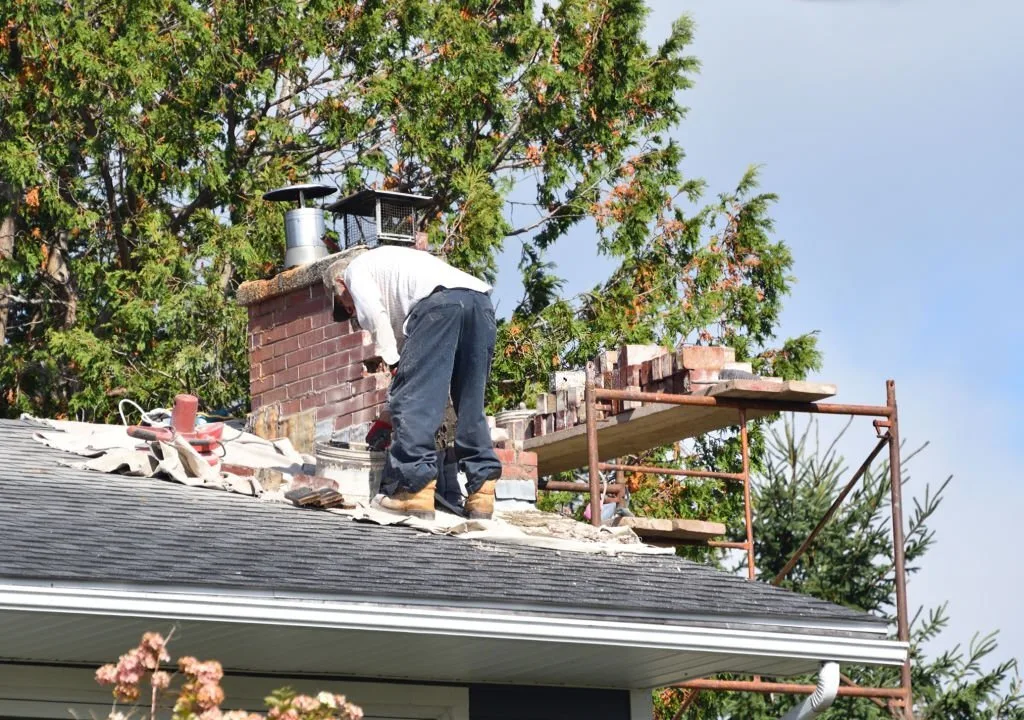
How It Works
How we seal a chimney crown
Inspect and qualify the crown
Before any sealant goes on, we inspect the crown closely for crack width, soundness, slope, overhang, and how it meets the flue tiles and the brick. A crown coat only works over a crown that can carry it. If we find open cracks or crumbling, we will explain that repair or rebuild is the right call and why, rather than coating over a problem that will keep moving underneath.
Prepare and apply the crown coat
We clean the crown down to sound material, remove moss, loose grit and any failed old coating, and let the surface dry as much as the weather allows. Hairline cracks are filled or bridged as needed, and a bond-breaker is used at the flue tile joint so the flexible sealant can move with the tile. Then the breathable elastomeric crown coat is applied in the thickness the product calls for, carried over the crown edge and up onto the flue tile.
Report and set your re-application interval
You get photos of the crown before and after, notes on anything else we saw at the top of the chimney (cap, flashing, brick condition), and a realistic re-application window based on the exposure of your particular chimney. We also log the date so we can remind you when the coating is due for a look.
Options
Crown sealing options
- Breathable elastomeric crown coat — the standard preventive treatment for a sound concrete or mortar crown; flexible enough to move with freeze-thaw and allows trapped vapor to escape.
- Hairline crack fill plus crown coat — for crowns with surface crazing that is too fine for a patch but too open to leave alone; cracks are filled first, then the whole crown is coated.
- Crown coat plus masonry water repellent — when the crown is sound but the brick below it is also drinking water, we can pair the crown coat with a breathable water repellent on the chimney body in the same visit.
- Re-coat of an existing crown coating — if a previous coating is worn or peeling, we strip what is loose, prep, and re-apply rather than starting from bare concrete.
- Seal with the cap and flashing checked — most crown water problems travel with cap and flashing problems; we can address all three at once so the top of the chimney is closed up as a unit.
Pricing
What affects the price
- Size of the crown (single flue versus wide multi-flue crown)
- Amount of moss, old coating or loose material that must be removed first
- Whether hairline cracks need filling before the coat goes on
- Roof pitch, chimney height and how the top of the chimney is reached
- Adding masonry water repellent to the chimney body in the same visit
- Weather windows, since the surface must be dry for the coat to bond
- Combining sealing with a cap, flashing or sweeping visit
We don't publish flat prices because every chimney is different. You'll get a written quote after we look at the system — no surprises.
Timing & Safety
When crown sealing is the right call, and when it is not
Sealing is the right move when:
- The crown is solid, properly sloped and in one piece, with only hairline crazing or surface wear.
- The chimney is newer or was recently repaired and you want to lock in that condition.
- An inspection has flagged early water absorption but no structural damage.
- An older crown coating has simply worn out and needs renewing.
Sealing is the wrong move when:
- Cracks are wide enough to take a fingernail or you can see daylight or separation at the flue tile. That crown needs Chimney Crown Repair first. Coating over open cracks hides them for a season and then fails.
- The crown is thin, flat (no slope), has no overhang, or was built as a mortar wash instead of a real concrete crown. Those are Chimney Crown Rebuild situations; a coating cannot add thickness or slope.
- Pieces are missing or the crown is loose on the chimney.
The honest summary: sealing is cheap insurance for a good crown and a waste of money on a bad one. Part of our job is telling you which one you have.
Safety considerations
Crown work happens at the top of the chimney, which means roof and ladder work on steep, often wet Seattle-area roofs. We do not recommend homeowners go up to inspect or coat a crown themselves; a fall from a roof is a far worse outcome than a leaking crown. Let us look at it from the roof with proper fall protection.
- Crown coatings are applied over a clean, dry surface and need cure time before the next rain; we schedule around the forecast for that reason.
- The sealant must not block the flue or seal the chimney cap in place; it is applied only to the crown and the base of the flue tile.
- If we see signs that water has already reached the firebox, smoke chamber or flue liner, we will recommend a Level 2 inspection before you burn again. NFPA 211 recommends an annual chimney inspection, and crown condition is one of the things it covers.
- If your chimney vents a gas appliance and you ever smell gas, leave the house and call your gas utility or 911. Gas lines and valves are only serviced by a qualified technician.
Seattle & Puget Sound conditions
The crown takes more punishment in the Puget Sound than almost anywhere else in the country. Seattle and Tacoma see rain on well over half the days of the year, so an uncoated crown rarely gets a chance to dry out. Wet concrete is where moss and lichen take hold, and their roots work into the surface and keep it damp. Then the handful of hard freezes we get each winter turn that absorbed water into ice, which is how hairline crazing becomes open cracks. Closer to the water, from West Seattle and Burien down to Tacoma and up through Everett and Edmonds, salt in the air speeds up that surface breakdown. A breathable crown coat interrupts the whole cycle: it sheds the rain, gives moss nothing to grip, and lets any vapor already in the crown escape instead of trapping it. The best time to seal is late spring through early fall, when we can count on a dry surface and enough cure time before the next front.
Real Work
Chimney Crown Sealing in action
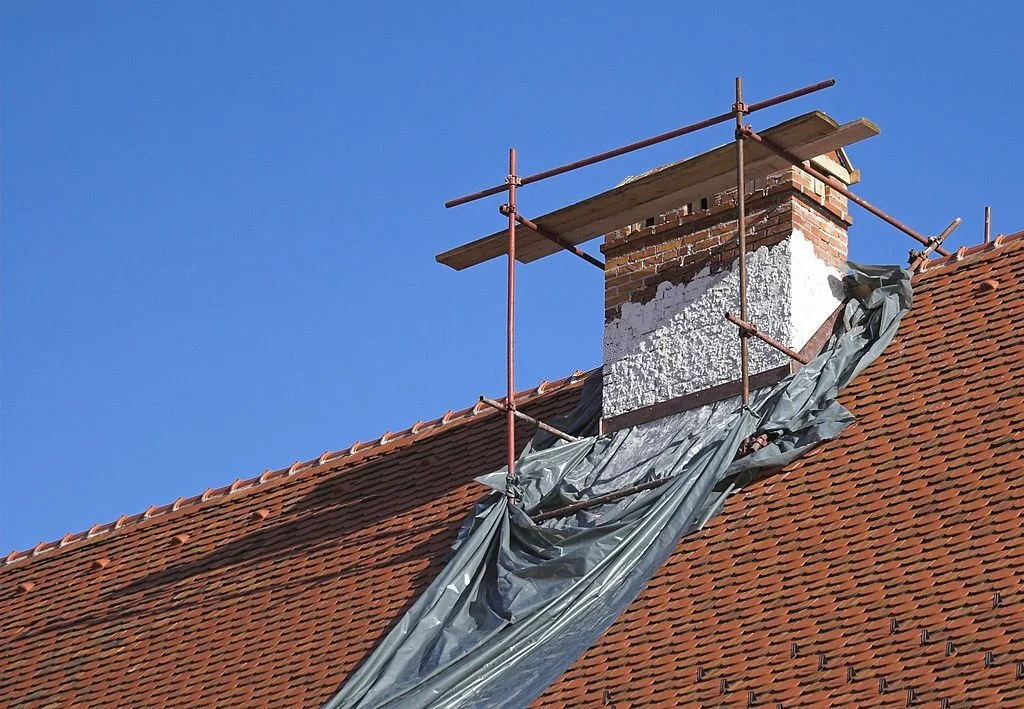
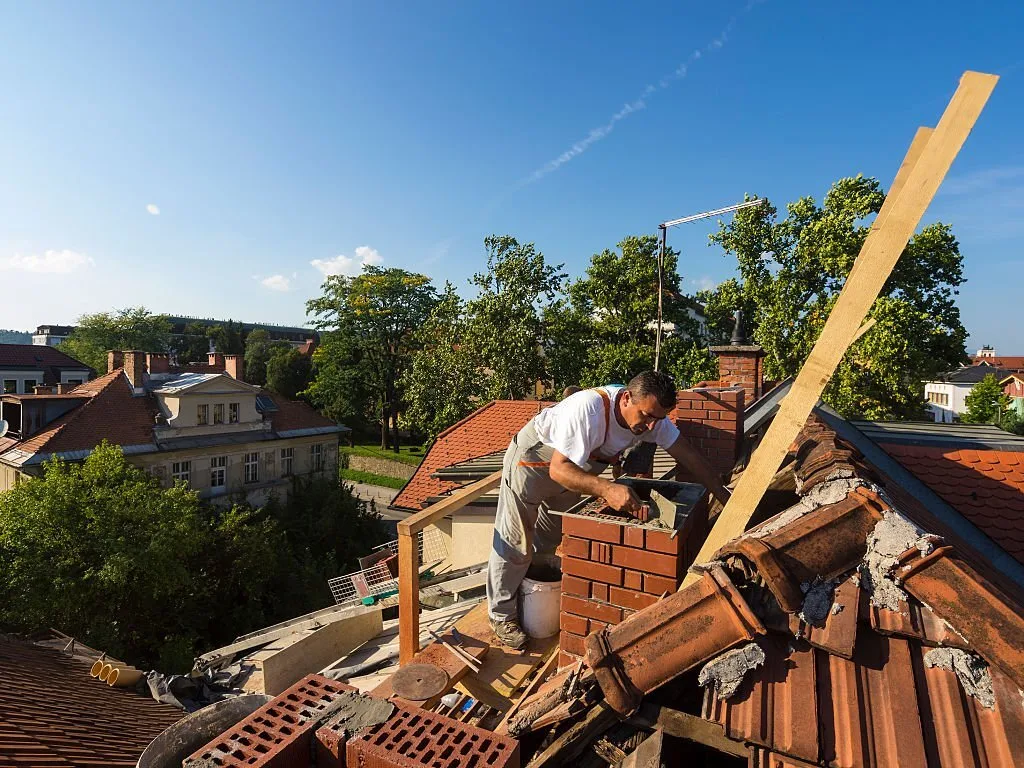
Seal your crown while it is still worth sealing
Request a quote for preventive chimney crown sealing in Seattle, Tacoma and across King, Pierce and Snohomish counties at 206-207-3974, Sunday through Friday, 7am to 8pm.
☎ (206) 207-3974 Request ServiceQuestions
Chimney Crown Sealing FAQ
How often does a chimney crown need to be re-sealed?
It depends on the product and on how exposed the chimney is. As a working rule in the Puget Sound, plan on having the coating looked at every few years and re-applied when it starts to chalk, thin or peel, which for most homes here is well before a decade. A chimney that catches wind-driven rain off the Sound will need attention sooner than one tucked in a sheltered neighborhood. We note the application date and give you a realistic interval for your chimney.
Can you just seal over the cracks instead of repairing them?
Only if the cracks are hairline. A flexible crown coat will bridge fine crazing and keep water out of it. Open cracks, spalled sections or gaps at the flue tile keep moving with temperature, and a coating over them will split along the same lines within a season or two. In that case we recommend Chimney Crown Repair first, then sealing as the final protective layer.
What is the difference between crown sealing and a masonry water repellent?
Crown sealant is a thick, flexible elastomeric coat made for the horizontal top of the chimney, where water sits. A masonry water repellent is a thin, penetrating treatment for the vertical brick and mortar of the chimney body. They solve different problems and are often done together in one visit, but one does not replace the other.
Is the sealant breathable, and why does that matter?
Yes, the crown coat we use is vapor permeable. Masonry always holds some moisture, and if you trap it under a non-breathable film it turns to vapor in the sun and ice in the cold, and either one pushes the coating and the surface apart. A breathable coat keeps liquid water out while letting that vapor escape.
Can you seal the crown in the rain or in winter?
Not effectively. The crown has to be clean and dry for the coat to bond, and it needs a dry window afterward to cure. We schedule crown sealing around the forecast, which in Seattle usually means late spring through early fall. If we are already on the roof for a sweep or inspection in the wet season, we will assess the crown and book the sealing for the next dry stretch.
Do I need crown sealing if I have a chimney cap?
Usually yes. A cap covers the flue opening and keeps rain out of the flue itself, but the crown around it is still fully exposed to the weather. Caps and crowns protect different parts of the chimney top. We check both on every visit so water has no easy way in.
Related services
Service areas
Helpful reading