
Home › Services › Gas Burner Replacement
Gas Burner Replacement Seattle, WA
Matched-part burner assembly replacement for gas fireplaces and log sets across Seattle, Tacoma and King, Pierce and Snohomish counties.
- 25+ years in business
- CSIA certified
- Licensed, bonded & insured
Request Gas Burner Replacement
Tell us what's going on — we'll confirm a time by phone or text.
Gas burner replacement is the removal of a worn, corroded, clogged or cracked burner assembly from a gas fireplace or gas log set and its replacement with the exact part listed for that unit. The burner is the tube or pan with the ports that actually carry and spread the flame. When those ports rust shut, the metal warps, or the burner cracks, the fireplace burns unevenly, soots up, lights reluctantly or shuts itself down. James Chimney Sweep has served Seattle and the Puget Sound for 25 years, and our CSIA certified technicians are licensed, bonded and insured in Washington.
Who needs it: homeowners with a gas fireplace or log set that is ten or more years old, that has lived through damp Puget Sound winters, or that has started producing yellow, lifting, ragged or patchy flames that cleaning did not fix. If the burner itself is sound and the problem is the pilot, the valve, a thermocouple or wiring, that falls under our Gas Fireplace Repair and Pilot Light Repair services instead. This page is specifically about the burner as a part.
One rule runs through everything below: the replacement burner must be the part listed for your make and model. A burner that looks similar but is not rated for the unit changes the gas-to-air mix, the flame pattern and the heat load on the firebox, and that is a safety problem, not a cosmetic one.
Symptoms & Problems
Signs Your Gas Burner Needs Replacing
- Flames are uneven: some ports tall, some barely lit, some dead
- Yellow, lazy or lifting flames that return even after a thorough cleaning
- Visible rust, scale or flaking on the burner tube or pan
- A crack, split seam or warped section on the burner
- Soot building on the logs, glass or firebox faster than it used to
- Delayed or noisy ignition, a small whoosh when the main burner lights
- A faint gas or exhaust smell only while the fire is running
- The unit lights, runs briefly, then shuts down on its own
How It Works
How We Replace a Gas Burner
Confirm the burner is the problem
We identify your unit from its rating plate, then check the pilot, thermocouple or thermopile, valve behavior, venting and the burner itself. Plenty of gas fireplaces with ugly flames only need cleaning or a pilot adjustment. We will not sell you a burner your fireplace does not need.
Source and fit the matched part
We order the burner assembly listed for your make and model, shut off and isolate the gas supply, remove the logs, embers and old burner, and install the new assembly with fresh gaskets and the correct orifice for natural gas or propane. Embers, logs and the glass are reset to the manufacturer's diagram.
Test, document and advise
We leak-test every connection we touched, verify the flame pattern, check for proper combustion and venting, confirm shutdown behavior, and walk you through what was done. You get a written summary and a recommendation for the next inspection and cleaning.
Options
Burner Replacement Options
- OEM burner assembly — the standard approach for any fireplace whose manufacturer still supports the model. Same part number, same ports, same listing.
- Manufacturer-approved replacement kit — some brands issue an updated burner kit that supersedes the original. We use it only when the manufacturer documents it for your exact model.
- Burner plus ignition components — if the pilot assembly, thermocouple or igniter is also corroded, replacing them with the burner avoids a second visit. Diagnosed first, never bundled by default.
- Burner with refreshed media — embers, vermiculite and brittle or broken logs are often replaced alongside the burner so the new flame pattern shows correctly. Full log set replacement is its own service under Gas Log Installation.
- Unit replacement instead of burner — when the burner is discontinued and the firebox is also failing, we explain the honest path forward, which may be Gas Fireplace Installation or a Gas Fireplace Insert rather than chasing an obsolete part.
Pricing
What affects the price
- Make, model and age of the fireplace or log set, and whether the OEM burner is still in production
- Natural gas versus propane, which changes the orifice and sometimes the burner assembly itself
- Whether the pilot assembly, thermocouple, thermopile or igniter also need replacing
- Condition of the embers, logs and glass, and whether they must be renewed to seat the new burner correctly
- Access to the burner compartment, including sealed direct-vent units that need the glass removed and regasketed
- Corrosion on the supply line fittings or shutoff that must be corrected before the burner can be safely connected
- Travel within King, Pierce and Snohomish counties
We don't publish flat prices because every chimney is different. You'll get a written quote after we look at the system — no surprises.
Timing & Safety
When Burner Replacement Is Necessary, and When It Is Not
Replacement is necessary when:
- The burner is cracked, split at a seam or visibly warped. A breached burner cannot be made safe by cleaning.
- Ports are rusted closed or enlarged by corrosion, so the flame pattern cannot be restored.
- The burner has been repaired with tape, epoxy, or a mismatched part from a previous owner or handyman.
- The unit shows soot, delayed ignition or flame lifting that persists after a professional cleaning and pilot adjustment.
Replacement is usually optional or unnecessary when:
- The flame is patchy only because ports are blocked by dust, pet hair or ember material. That is a Gas Fireplace Cleaning job.
- The pilot will not stay lit or the unit will not ignite but the burner itself is intact. That points at the pilot, thermocouple or valve.
- The fireplace is less than a few years old and has simply never been serviced.
We tell you which bucket you are in before any part is ordered.
Safety considerations
If you smell gas, leave the house and call your gas utility or 911 from outside. Do not operate switches, light anything or try to find the source.
- Gas lines, shutoff valves and burner assemblies are only serviced by a qualified technician. A burner that is not listed for the unit can change the gas-to-air ratio, produce carbon monoxide and overheat the firebox.
- Never substitute a universal or similar-looking burner. The listing for your fireplace covers the burner, orifice, media placement and venting as a system.
- Do not run a gas fireplace with a cracked or warped burner while waiting for parts. Turn it off at the appliance control and leave it off.
- Keep a working carbon monoxide alarm on every level of the home, and have the fireplace inspected annually. NFPA 211 recommends annual inspection of chimneys, fireplaces and vents.
- We do not diagnose burners remotely. Flame color and pattern have to be seen in person with the unit running under normal draft.
Seattle & Puget Sound conditions
Gas burners in Seattle, Tacoma and the surrounding Puget Sound towns corrode faster than the same parts do inland. Our long damp season keeps humidity high in the firebox for months, and homes near the Sound, Elliott Bay and the Tacoma waterfront add salt-laden air that attacks steel and aluminized burners. Fireplaces that sit idle from April through October collect moisture in the burner ports, so the first fall lighting often reveals rust that was not there in spring. Unsealed exterior chimney chases in older Seattle homes let rain and fog reach the burner compartment, and the freeze-thaw cycles we get in the foothills and on the Eastside stress any burner that already has a hairline crack. If your gas fireplace is more than a decade old and has never had the burner looked at, an inspection before heating season is worth scheduling.
Real Work
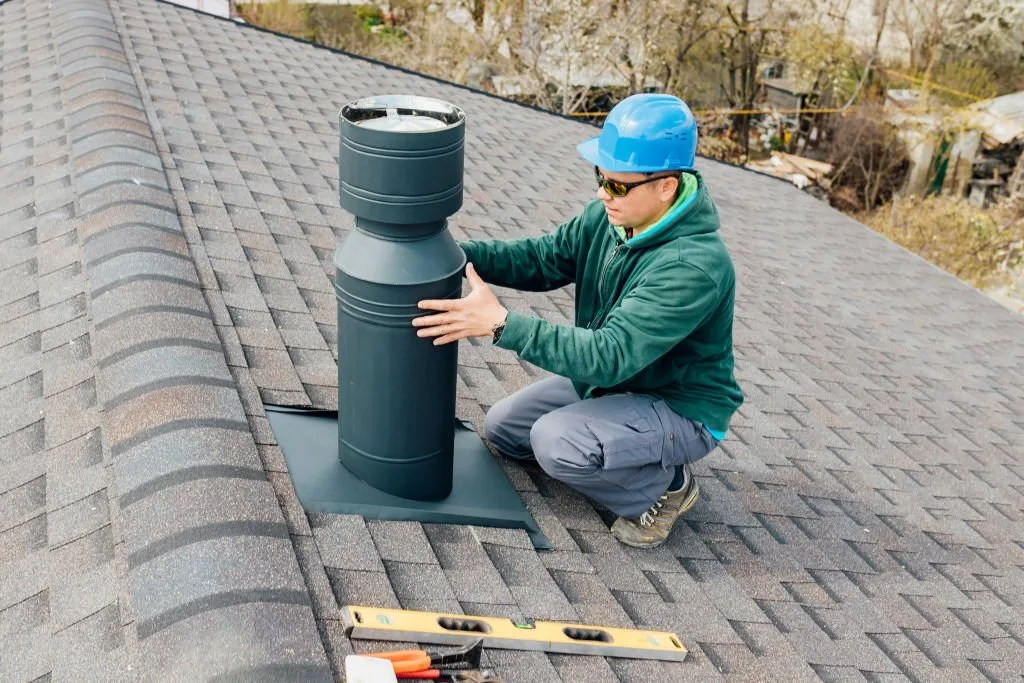
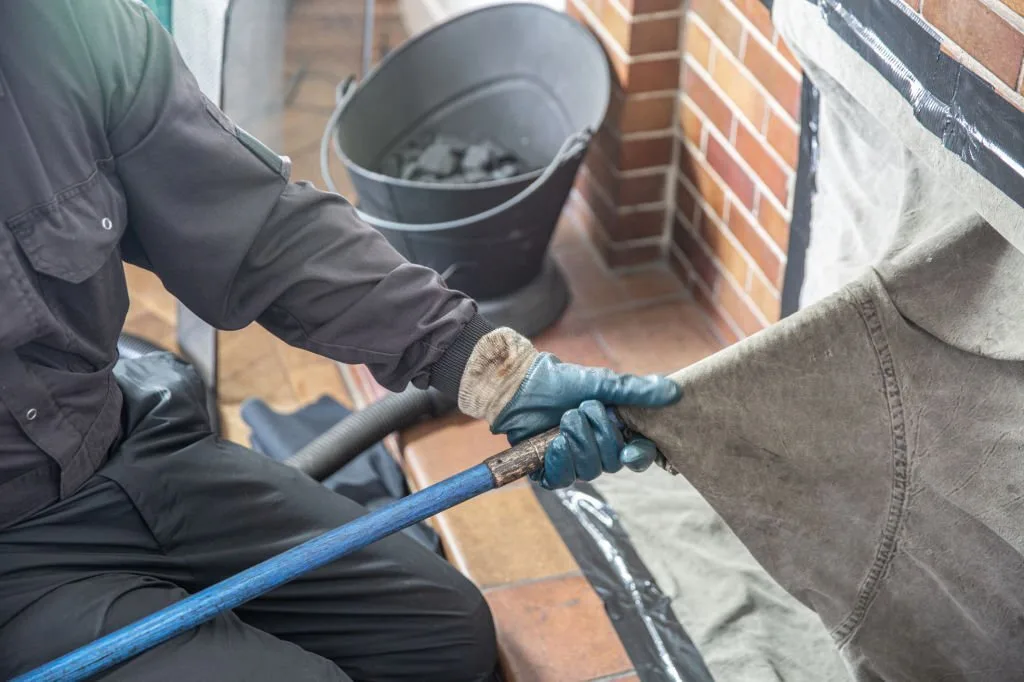
Gas Burner Replacement in action
Get the Right Burner, Fitted the Right Way
Call 206-207-3974, Sunday through Friday 7am to 8pm, or request a quote online and a CSIA certified technician will inspect your gas fireplace burner in person.
☎ (206) 207-3974 Request ServiceQuestions
Gas Burner Replacement FAQ
How do I know if it is the burner and not the pilot or valve?
A failing burner usually shows up as a bad flame while the fire is running: patchy, yellow, lifting or sooty. A failing pilot or thermocouple shows up as a fire that will not light or will not stay lit. A valve problem often shows as no gas flow or flow that cannot be controlled. Symptoms overlap, which is why we diagnose the whole unit before ordering any part.
Can you install a universal burner to save money?
No. Gas fireplaces and log sets are listed as a system, and the burner is part of that listing. A non-matched burner alters the air-to-gas mix and flame pattern, can raise carbon monoxide output and can overheat the firebox or glass. We install the part documented for your make and model, or a manufacturer-approved supersession.
What if my fireplace is discontinued and the burner is no longer made?
We check for manufacturer supersession kits first. If nothing listed exists, we explain your options honestly, which may include a new gas log set or a gas fireplace insert rather than an unsafe substitute. We will not fit a mismatched burner into a listed appliance.
Does the burner replacement include new logs and embers?
Embers and vermiculite are usually refreshed because the old material is contaminated and the new flame pattern depends on correct placement. Logs are reused if they are intact and properly positioned. A full log set replacement is a separate service, Gas Log Installation, which we can combine in the same visit.
How long does a gas burner replacement take?
Once the matched part is in hand, most replacements are completed in a single visit, including leak testing and flame verification. The longer wait is usually parts lead time, which depends on the brand and the age of the unit.
Will you work on propane fireplaces as well as natural gas?
Yes. Propane units use a different orifice and sometimes a different burner assembly than natural gas, so we confirm your fuel from the rating plate and order accordingly. We serve King, Pierce and Snohomish counties.
Related services
Service areas
Helpful reading