
Home › Services › Gas Fireplace Installation
Gas Fireplace Installation Seattle, WA
Direct-vent, B-vent and insert installations for homes across Seattle, Tacoma and King, Pierce and Snohomish counties.
- 25+ years in business
- CSIA certified
- Licensed, bonded & insured
Request Gas Fireplace Installation
Tell us what's going on — we'll confirm a time by phone or text.
Gas fireplace installation is the complete job of putting a new gas-burning fireplace into your home: choosing the right unit and venting type, building or preparing the opening, running the vent through the wall or roof, coordinating the gas supply with a licensed gas fitter, pulling the permit and passing inspection. It is for homeowners who want a new fireplace where there was never one, who are finishing a basement or addition, or who are replacing a worn-out unit with a new appliance rather than patching the old one.
This is different from our Gas Fireplace Conversion page, which covers turning an existing wood-burning fireplace into a gas one, and from Gas Fireplace Insert, which is specifically about fitting a sealed insert into an existing masonry firebox. Gas Log Installation is simpler still: a log set placed in an existing open fireplace. If you are starting from a blank wall or a new build, you are on the right page.
James Chimney Sweep has served the Puget Sound for more than 25 years, is CSIA certified, and is licensed, bonded and insured in Washington. We plan the whole installation, handle the venting and clearances ourselves, and bring in a licensed gas fitter for the line and connections so the finished fireplace is safe, permitted and ready to use.
Symptoms & Problems
Signs you are ready for a new gas fireplace
- You are finishing a basement, addition or new build and want a fireplace on an exterior or interior wall
- Your existing gas unit is decades old and parts are no longer available
- The old fireplace has cracked refractory panels or a rusted firebox that is no longer worth repairing
- You want zone heat in the room you actually use instead of heating the whole house
- You are tired of hauling wood and dealing with smoke and ash in a damp climate
- A home inspector or insurer flagged the current fireplace as unsafe to operate
- You are remodeling and want the fireplace relocated or built into a new feature wall
- You want a sealed unit that does not pull heated air out of the house
How It Works
How a gas fireplace installation works
Site visit and design
We measure the room and wall, check framing, exterior clearances and where a vent can terminate, confirm gas availability near the location, and talk through direct-vent versus B-vent options and the unit size that fits the space. You receive a written quote covering the appliance, venting, framing prep, permit and the gas fitter's scope.
Installation
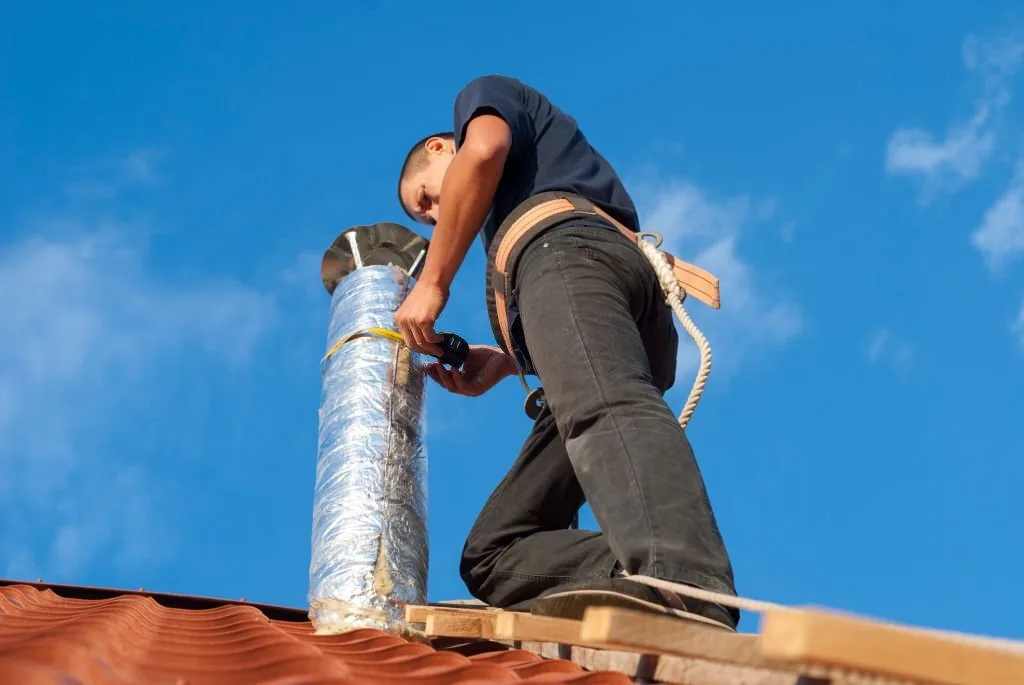
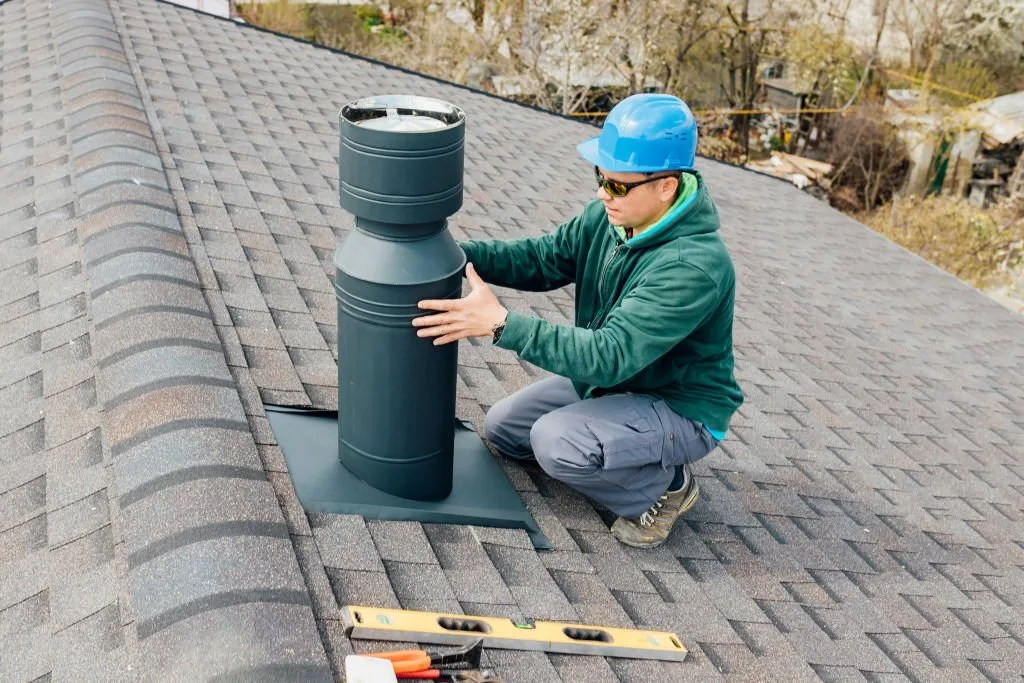
We frame or prepare the opening to the manufacturer's clearances, set the unit, run and seal the vent through the wall or roof with proper flashing, and install the surround and finish trim. A licensed gas fitter runs or extends the gas line, installs the shutoff and makes the final connection, then pressure-tests the system.
Inspection, testing and walkthrough
We light the unit, verify flame pattern, draft and seal, confirm carbon monoxide readings are normal, and meet the inspector for the permit sign-off. Before we leave we walk you through the remote or wall switch, the pilot or electronic ignition, and the cleaning and annual service schedule.
Options
Installation options
- Direct-vent fireplace — the most common choice for Seattle homes. A sealed glass front, combustion air drawn from outside through a coaxial vent, exhaust sent back out the same pipe. Vents horizontally through a wall or vertically through the roof, so it fits almost any room without a chimney.
- B-vent (natural-vent) fireplace — an open-front unit that uses room air and vents vertically through a dedicated B-vent pipe to above the roof. Gives a traditional open look but loses more heat up the vent; works best where a vertical run is easy.
- Vent-free fireplace — burns without a vent and releases combustion products into the room. Washington restricts where these can be installed and many jurisdictions and manufacturers limit or prohibit them in bedrooms and small spaces. We will tell you plainly whether one is permitted at your address; we do not recommend them as a primary heater in a tightly built home.
- Zero-clearance factory-built fireplace — a complete metal fireplace designed to be framed into a wood wall, ideal for new construction and additions where there is no masonry at all.
- Freestanding gas stove — a direct-vent or B-vent stove on a hearth pad when you want heat in a room without opening up a wall.
Pricing
What affects the price
- Venting type and length: a short horizontal direct-vent run costs far less than a multi-story vertical run with offsets
- Distance from the existing gas meter or nearest line to the fireplace location, and whether the meter needs a capacity check
- Framing, drywall and exterior siding work needed to create or finish the opening
- The appliance itself: size, heat output, ignition system, blower and remote options
- Surround, mantel and hearth finish materials
- Permit and inspection fees in your city or county
- Access: crawl space, finished basement ceilings or second-story walls add labor
We don't publish flat prices because every chimney is different. You'll get a written quote after we look at the system — no surprises.
Timing & Safety
When installation makes sense
A new installation is the right call when:
- There is no fireplace in the room and you want one
- The existing gas unit is obsolete, damaged beyond economical repair or no longer meets code
- You are building an addition or finishing a basement and want the vent planned into the framing
- You want a sealed, efficient heater rather than an open decorative flame
Something smaller may serve you better when:
- Your current gas fireplace works but has a single failed part. Our Gas Fireplace Repair, Gas Valve Repair, Pilot Light Repair and Gas Burner Replacement pages cover those fixes.
- You have a sound masonry wood fireplace and just want gas. Gas Fireplace Conversion or Gas Fireplace Insert will usually be less disruptive than a new build.
- You mainly want the look of a fire in an open hearth. Gas Log Installation may be all you need.
Safety considerations
If you ever smell gas, leave the house immediately and call your gas utility or 911 from outside. Do not operate switches or appliances on the way out. Gas lines, shutoffs and valves are only serviced by a qualified, licensed technician; we never ask homeowners to touch them.
- Every gas fireplace we install is permitted and inspected. Unpermitted gas work can void insurance and creates problems at resale.
- Vent clearances to windows, doors, soffits, decks and property lines follow the manufacturer's listing and the mechanical code; we verify them before we cut.
- We install a carbon monoxide alarm check as part of commissioning and recommend CO alarms on every level of the home.
- Glass fronts on direct-vent units get extremely hot. Ask us about a barrier screen if there are small children or pets in the home.
- NFPA 211 recommends annual inspection of all fireplaces and vents, including gas. Our Gas Fireplace Cleaning page explains the yearly service.
Seattle & Puget Sound conditions
Seattle and the Puget Sound reward sealed direct-vent fireplaces. Our long, damp heating season means a fireplace gets used for months, so efficiency and not pulling conditioned air out of the house actually matters. Rain is the main installation concern: a horizontal vent termination on a wet exterior wall has to be flashed and sealed correctly, and we pay attention to where roof runoff and prevailing weather hit the cap. Vertical runs through older roofs in Seattle, Tacoma and Everett need proper storm collars and flashing that will stand up to moss growth and years of rain. On waterfront homes, salt air corrodes vent caps and exterior terminations faster, so we choose materials accordingly. Many older homes in King, Pierce and Snohomish counties also have undersized or aging gas supply, so the gas fitter's capacity check is not a formality; it is often the detail that decides where and how big the fireplace can be.
Real Work
Gas Fireplace Installation in action
Plan your new gas fireplace with a crew that handles the whole job
Call 206-207-3974 or request a quote online and we will schedule a site visit anywhere in King, Pierce or Snohomish County.
☎ (206) 207-3974 Request ServiceQuestions
Gas Fireplace Installation FAQ
Do I need a chimney to install a gas fireplace?
No. A direct-vent fireplace vents horizontally through an exterior wall or vertically through the roof with its own pipe, so it can go in rooms that never had a chimney. B-vent units need a vertical run but still do not need a masonry chimney.
Who runs the gas line?
A licensed Washington gas fitter runs, extends and connects the gas line and installs the shutoff, then pressure-tests it. We coordinate that work as part of the installation so you are not managing two contractors.
Is a permit required for a gas fireplace in Seattle?
Usually. Gas appliance and vent work typically needs mechanical and gas permits in our area; we confirm what your jurisdiction requires before work starts and a final inspection in Seattle and the surrounding cities and counties. We pull the permit and meet the inspector.
Can I install a vent-free gas fireplace?
Vent-free units are code-restricted in Washington and often not allowed in bedrooms, bathrooms or small rooms, and some jurisdictions and manufacturers do not allow them at all. We will check your address and tell you honestly; in most Puget Sound homes a direct-vent unit is the better and safer answer.
How long does installation take?
A straightforward direct-vent installation with a nearby gas line is commonly completed in one to two days on site, with the permit inspection scheduled afterward. Vertical venting, long gas runs or wall construction add time. We give you a schedule with the quote.
Will a gas fireplace really heat the room?
A properly sized direct-vent unit is an effective zone heater for the room it sits in, and a blower helps move that heat. Sizing matters: an oversized unit overheats the space and gets turned off, so we match output to the room rather than selling the biggest box.
Related services
Service areas
Helpful reading