
Home › Services › Gas Valve Repair
Gas Valve Repair Seattle, WA
Diagnosis, repair and replacement of the gas control valve on your fireplace, done by a qualified technician across Seattle, Tacoma and the Puget Sound.
- 25+ years in business
- CSIA certified
- Licensed, bonded & insured
Request Gas Valve Repair
Tell us what's going on — we'll confirm a time by phone or text.
Gas valve repair is the diagnosis, repair or replacement of the gas control valve on a gas fireplace. The valve is the single component that decides whether gas reaches your burner, how much, and whether it shuts off when something goes wrong. When it fails you may get no flame at all, a flame that lights and then drops out, a burner that only runs on high or only on low, or clicking from the control area with nothing happening. James Chimney Sweep has worked on gas fireplaces across King, Pierce and Snohomish counties for more than 25 years, and our technicians are CSIA certified, licensed, bonded and insured in Washington.
This page is about the valve itself. If your pilot will not stay lit, that is usually a thermocouple or thermopile problem and it lives on our Pilot Light Repair page. If the burner ports are rusted or the flame pattern is ugly, that is Gas Burner Replacement. Gas Fireplace Repair is our general troubleshooting service for when you do not yet know which part is at fault; gas valve repair is what happens once testing points to the valve.
One thing first: a gas valve is never a do-it-yourself part. It sits on a live gas line and it is the last safety device between your supply and your living room. If you smell gas, leave the house and call your gas utility or 911 from outside. Gas lines and valves are serviced only by a qualified technician.
Symptoms & Problems
Signs your fireplace gas valve may be failing
- Pilot is lit and steady, but the main burner never comes on
- Burner lights, runs for a few seconds or minutes, then drops out
- Clicking or buzzing from the valve or control module with no flame
- Flame height will not change when you turn the knob or remote
- Fireplace only works on high, or only on low, regardless of setting
- The control knob is stuck, grinds, or turns freely without resistance
- Intermittent operation that gets worse on cold, damp days
- Faint gas odor near the control compartment when the unit is off
How It Works
How we repair or replace a fireplace gas valve
Diagnose and isolate the valve
We start by confirming it is actually the valve. The pilot assembly, thermocouple or thermopile, wall switch or remote receiver, wiring and the burner can all produce look-alike symptoms. We test millivolt output at the valve terminals, check for proper inlet pressure, listen for the solenoid, and inspect for corrosion or moisture in the control cavity. If the valve is fine and another part is the cause, we tell you that and the job shifts to the right repair.
Repair or replace
Some valves can be brought back with cleaning of the control cavity, tightening of loose terminals, or replacement of an attached regulator or operator. Most modern fireplace valves are sealed assemblies, so a failed valve is typically replaced with the manufacturer-specified part or an approved equivalent. We shut off and cap the supply, remove the old valve, install the new one with new fittings and sealant rated for gas, then reconnect the pilot, thermocouple or thermopile and switch wiring.
Leak-test, set pressure, and walk you through it
Every connection gets a leak check before the appliance is relit. We verify manifold pressure against the rating plate, confirm the pilot and main burner cycle cleanly through several on-off tests, adjust flame height, and check that the safety shutoff drops the burner when the pilot is interrupted. You get a plain-language summary of what was wrong, what was done, and anything we noticed that should go on your watch list.
Options
Valve repair options we can recommend
- Clean and reseat — when testing shows the valve is sound but moisture, dust or a loose terminal is interrupting the signal to the operator. Common in units that sat idle through a wet Puget Sound summer.
- Component-level repair — when a serviceable part attached to the valve, such as a regulator, operator coil or ignition module, has failed and the valve body itself is good.
- Like-for-like valve replacement — the standard fix for a sealed millivolt or electronic valve that has failed internally. The manufacturer part keeps the appliance within its listing.
- Valve plus pilot assembly replacement — when the thermocouple or thermopile and the valve are both weak, replacing them together avoids a second service call and gives the new valve a reliable signal.
- Assess for larger repair — on older units where the valve, burner and logs are all at end of life, we will say so honestly so you can weigh valve repair against the scope covered under Gas Fireplace Repair or Gas Fireplace Insert.
Pricing
What affects the price
- Valve type: millivolt (standing pilot) versus electronic intermittent-pilot valve
- Whether the valve can be repaired or must be replaced as a sealed assembly
- Manufacturer part availability for older or discontinued fireplace models
- Additional parts needed at the same time, such as a thermopile, pilot assembly or wall switch
- Access to the control compartment and how much of the log set or surround must be removed
- Condition of the existing gas connector and fittings, which may need replacement during the job
- Whether the fireplace is natural gas or propane, which affects the valve and regulator specified
We don't publish flat prices because every chimney is different. You'll get a written quote after we look at the system — no surprises.
Timing & Safety
When gas valve repair is necessary, and when it can wait
Necessary right away:
- You smell gas anywhere near the fireplace, even faintly. Leave the house first, call the utility or 911, and only then call us.
- The burner will not shut off when the switch is turned off or the pilot goes out.
- Clicking or buzzing at the valve with a gas odor, or soot appearing where there was none.
Necessary soon:
- Main burner will not light even though the pilot is good and the switch or remote is confirmed working.
- Burner drops out repeatedly. A valve that is cutting out is telling you the safety circuit is marginal.
- Flame height no longer responds to the control.
Can usually wait for a scheduled visit:
- A stiff knob that still controls the flame correctly.
- Occasional slow ignition on the first cold night of the season, which is often a pilot or burner issue rather than the valve.
If you are not sure which bucket you are in, shut the unit off at its own switch and call us. We will ask a few questions to help you decide how urgent it is, though we cannot diagnose a gas valve remotely; a technician needs to test it in person.
Safety considerations
The gas valve is the appliance's built-in safety system. A working valve closes the instant the pilot fails. A failed valve can do the opposite: stick open, dribble gas, or fire the burner without a pilot to light it. That is why there is no homeowner version of this repair.
- If you smell gas, leave the house. Do not flip switches, do not use the phone inside. Call your gas utility or 911 from outside.
- Do not attempt to remove, adjust or bypass a gas valve, thermocouple or regulator. Gas lines and valves are serviced only by a qualified technician.
- Never hold a pilot or burner on with tape, clips or by jamming the control. That defeats the safety shutoff.
- If the burner keeps running after you turn it off, leave the house and call the utility.
- Keep a working carbon monoxide alarm near any gas appliance. NFPA 211 recommends an annual inspection of chimneys, fireplaces and vents, which is the best time to catch a tired valve before it fails in January.
Our technicians leak-test every fitting they touch and confirm the safety shutoff works before they leave. That test is not optional on our jobs.
Seattle & Puget Sound conditions
Gas valves in Seattle, Tacoma and the rest of the Puget Sound fail in a recognizable pattern. Our fireplaces sit unused from April to October in a climate that never fully dries out, and the control compartment is usually the lowest, least-ventilated spot in the unit. Condensation and the slow damp of a wet summer corrode valve terminals, stiffen the operator and invite mineral crust on the gas connector. Homes close to the Sound, Elliott Bay and Commencement Bay see salt-air corrosion on top of that. The first cold snap in November is when the symptoms show up: a valve that tested fine in spring now clicks and drops out. A freeze-thaw week in a drafty older Seattle or Tacoma home adds moisture cycling inside the firebox. If your unit has been dead since last winter, plan the repair before the season starts rather than during the first storm when every gas technician in King, Pierce and Snohomish counties is booked.
Real Work
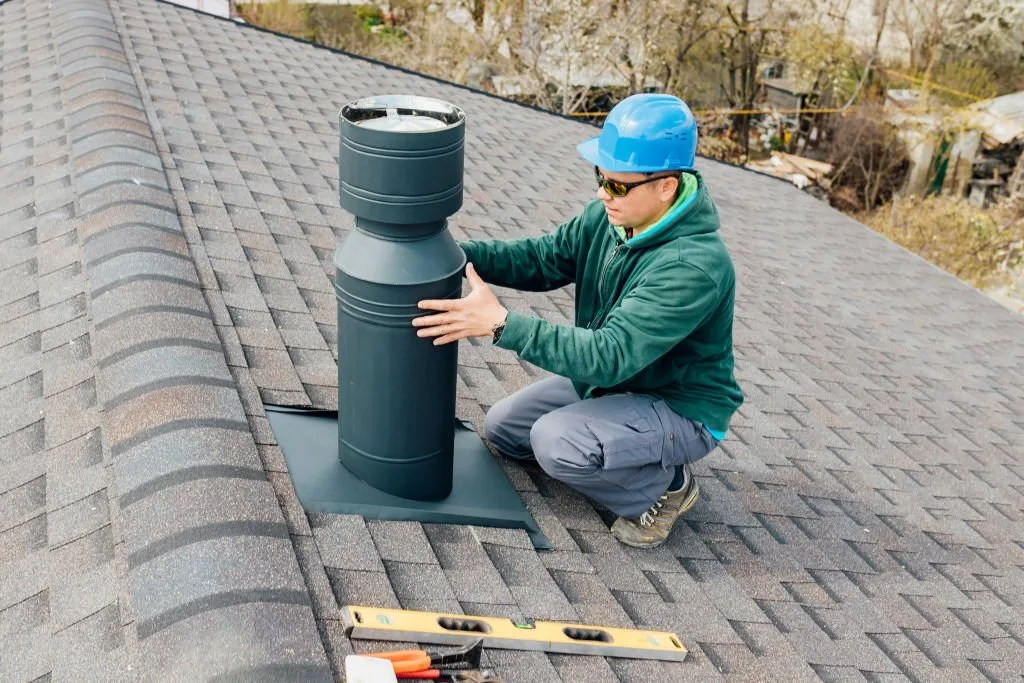
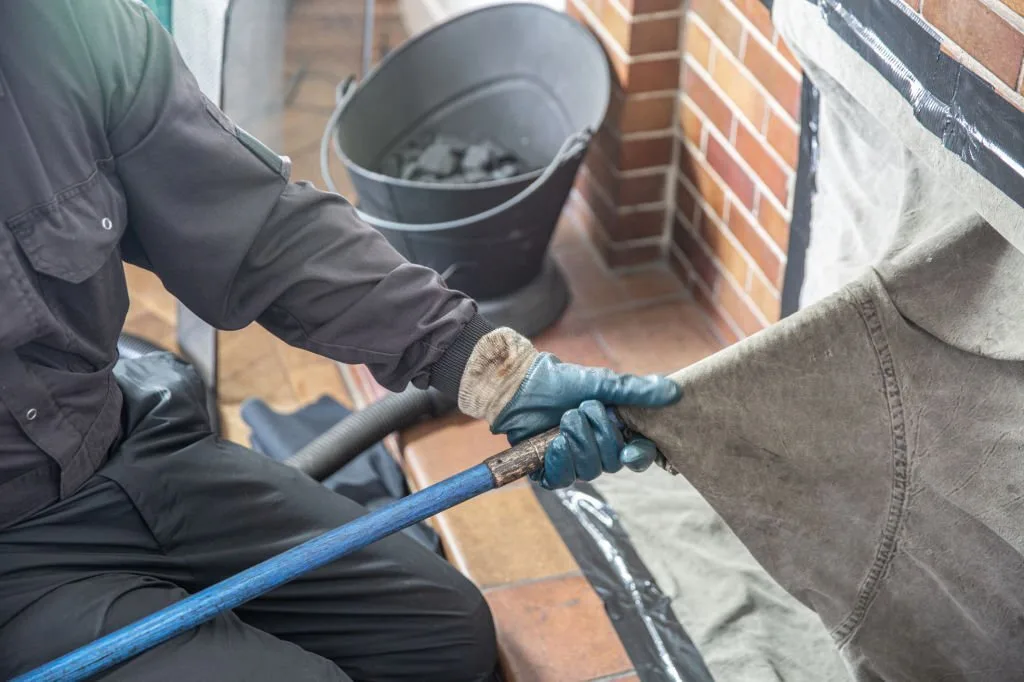
Gas Valve Repair in action
Burner dead or dropping out? Have the valve tested properly.
Call 206-207-3974, Sunday through Friday 7am to 8pm, to request a quote for gas valve repair anywhere in King, Pierce or Snohomish County.
☎ (206) 207-3974 Request ServiceQuestions
Gas Valve Repair FAQ
How do I know it is the valve and not the pilot light?
A rough rule: if the pilot will not stay lit, the problem is usually the thermocouple or thermopile and belongs to pilot light repair. If the pilot is steady but the main burner will not come on, drops out, or ignores the control, the valve is the prime suspect. We confirm with millivolt and pressure tests before replacing anything.
Can a fireplace gas valve be repaired, or does it always need replacing?
Some issues such as corroded terminals, a failed regulator or operator coil, or moisture in the control cavity can be corrected without a new valve. Sealed millivolt and electronic valves that have failed internally are replaced, because opening them is not safe or manufacturer-approved.
Is it safe to keep using the fireplace if the burner drops out sometimes?
We recommend shutting it off at its own switch and having it tested. A burner that cuts out is often a marginal safety circuit. It may simply be a weak thermopile, but if the valve is sticking, continuing to use it is a risk. If you ever smell gas, leave the house and call the utility or 911.
Will the new valve work with my remote or wall switch?
In most cases yes. We match the replacement to your appliance's control type, whether millivolt with a wall switch, a remote receiver, or an electronic ignition module. If your current remote is incompatible with the required valve, we tell you before the work begins.
Do you service propane fireplaces as well as natural gas?
Yes. Propane units use a different valve and regulator specification, and the correct part must be used. Tell us which fuel you have when you call so we arrive with the right components.
How long does a gas valve replacement take?
Once the correct part is on hand, most replacements are completed in a single visit, including leak testing and pressure setting. Older or discontinued models sometimes need a part ordered, in which case we leave the appliance safely shut off until the return visit.
Related services
Service areas
Helpful reading