
Home › Services › Pilot Light Repair
Pilot Light Repair Seattle, WA
Gas fireplace pilot won't light, won't stay lit, or keeps going out? We find the cause and fix it for homes across King, Pierce and Snohomish counties.
- 25+ years in business
- CSIA certified
- Licensed, bonded & insured
Request Pilot Light Repair
Tell us what's going on — we'll confirm a time by phone or text.
Pilot light repair is the fix for one specific, very common gas fireplace complaint: the little standing flame at the burner either will not light at all, lights but dies the moment you let go of the knob, or stays lit for a while and then quits on its own. Almost every time, the cause is one of a short list of parts: a worn thermocouple or thermopile, a pilot orifice clogged with dust or spider webbing, a weak or drifting flame, or a draft that keeps blowing the pilot off its sensor. Our technicians diagnose which one it is and correct it.
This page is for homeowners whose fireplace has a pilot problem and little else. If the pilot lights and holds fine but the main burner is the trouble, that is the territory of our Gas Fireplace Repair service, which covers burners, switches, remotes, blowers and valve assemblies as a whole. If the unit has never been serviced and is simply coated in soot and dust, our Gas Fireplace Cleaning service may be the right first step. Pilot Light Repair is narrower and faster: we isolate the pilot system, test its components, and get it holding a steady, correct flame again.
One note before anything else: if you smell gas anywhere in the house, stop, leave the home, and call your gas utility or 911 from outside. Do not try to relight a pilot in that situation. Gas lines and valves are only serviced by a qualified technician.
Symptoms & Problems
Signs Your Pilot Light Needs Repair
- Pilot will not light no matter how long you hold the control knob
- Pilot lights, then goes out as soon as you release the knob
- Pilot stays lit for minutes or hours, then goes out on its own
- Pilot flame is small, yellow, or lazy instead of a crisp blue cone
- Pilot is lit but the main burner will not come on when you flip the switch
- You hear clicking from the igniter but see no spark or flame
- Pilot goes out whenever the wind picks up or a door opens
- Pilot has to be relit every few days during the heating season
How It Works
How We Repair a Pilot Light
Inspect and test the pilot assembly
We check for any gas odor first, then examine the pilot hood, orifice, igniter, thermocouple and thermopile. We measure the millivolt output from the sensors, look at the flame size and color, and check that the flame is actually reaching the sensor tip. We also look for drafts, blocked air inlets and pilot tubing issues that mimic a bad part.
Clean, adjust or replace the faulty component
Depending on the finding, we clear the pilot orifice and hood, reposition or replace the thermocouple or thermopile, correct the pilot flame, clean wiring connections and the igniter electrode, and verify the generator is producing enough voltage to hold the valve open. Any part we replace is matched to your fireplace model.
Verify operation and walk you through it
We light the pilot, cycle the main burner several times, confirm the flame holds through a full heat cycle, and check for leaks at every connection we touched. Then we show you the correct relight procedure for your unit and explain anything we noticed that may need attention later.
Options
Common Pilot Light Repairs
- Thermocouple replacement — when the pilot lights but drops out the moment you release the knob; the sensor is no longer telling the valve the flame is present.
- Thermopile replacement — when the pilot holds but the main burner will not fire from the switch or remote; the generator is too weak to open the main valve.
- Pilot orifice and hood cleaning — when the flame is small, yellow, or split and does not reach the sensor properly; dust, soot and spider webs are the usual cause.
- Igniter and electrode service — when you hear clicking but get no spark, or the spark is weak; the electrode may be fouled, cracked, or out of position.
- Draft and flame-position correction — when the pilot blows out in wind or when the furnace kicks on; we adjust the flame, check the air inlet and look at what is pulling air across the pilot.
Pricing
What affects the price
- Which component failed (a cleaning costs less than a thermopile or igniter module)
- Fireplace type: standing-pilot millivolt system versus an electronic intermittent-pilot system
- Parts availability for your make and model, including older or discontinued units
- How accessible the pilot assembly is behind the logs, glass and firebox panels
- Whether the logs and burner need to be removed and reset to reach the pilot
- Additional issues found during testing, such as a weak valve or wiring faults
- Travel distance within King, Pierce and Snohomish counties
We don't publish flat prices because every chimney is different. You'll get a written quote after we look at the system — no surprises.
Timing & Safety
When Pilot Light Repair Is Necessary vs. Optional
Call for repair when:
- The pilot drops out repeatedly during the season, even though it lights fine at first.
- The pilot is lit but the main burner will not respond to the switch, remote or thermostat.
- The pilot flame is yellow, sooty, or noticeably smaller than it used to be.
- The igniter clicks but never produces a spark.
Probably optional or not needed when:
- The pilot was turned off for the summer and relit without trouble using the steps on the unit. That is normal, not a fault.
- A single outage happened during a windstorm or when a window was open, and the pilot has held since.
- The whole fireplace is dirty and has not been serviced in years. In that case an annual Gas Fireplace Cleaning often resolves a sluggish pilot as part of the service.
Most manufacturers print relight instructions on a plate inside the lower control compartment. Following those steps exactly, including the waiting period after any gas smell clears, is reasonable for a homeowner. What is not reasonable is bending sensors, disassembling the pilot, or working on any gas line or valve. That is where a technician takes over.
Safety considerations
Gas appliances are safe when their safety systems work, and the pilot system is one of those safety systems. The thermocouple or thermopile exists so the valve cannot open unless a flame is present. A pilot that will not hold is the appliance doing its job; the fix is to repair the part, never to defeat it.
- If you smell gas, leave the house immediately and call your gas utility or 911 from outside. Do not light anything, flip switches, or try to relight the pilot.
- Follow only the relight steps printed on your fireplace. If the pilot does not light after the manufacturer's stated attempts, stop and call us.
- Never hold the pilot knob down with tape, a clamp or any other object to keep the flame on. Doing so removes the only safeguard against unburned gas.
- Gas lines, shutoffs and valves are serviced only by a qualified technician. Our Gas Valve Repair service handles those separately.
- Keep working carbon monoxide alarms on every level of the home and near sleeping areas.
- NFPA 211 recommends an annual inspection of fireplaces and venting; a pilot fault is a good reason to have the rest of the system looked at too.
Seattle & Puget Sound conditions
Pilot problems in the Seattle area have a seasonal rhythm. Most homeowners shut the pilot off in spring and do not touch the fireplace until the first damp, cold evening in October or November. Over those months, dust settles on the pilot hood, and spiders, which are drawn to the odorant in natural gas, are a well-known cause of plugged pilot orifices in Puget Sound homes. So the first relight of the season is when we get the most calls. Our long, wet heating season also means the fireplace runs for many more hours than in drier climates, which wears out thermocouples and thermopiles faster. Direct-vent units on windward walls in Tacoma, West Seattle, Everett and along the Sound see strong gusts pushing back through the vent termination, which can blow out a pilot that is already marginal. Older homes in King and Pierce counties with decades-old standing-pilot inserts are the most common case of a tired thermopile that holds the pilot but cannot open the main valve.
Real Work
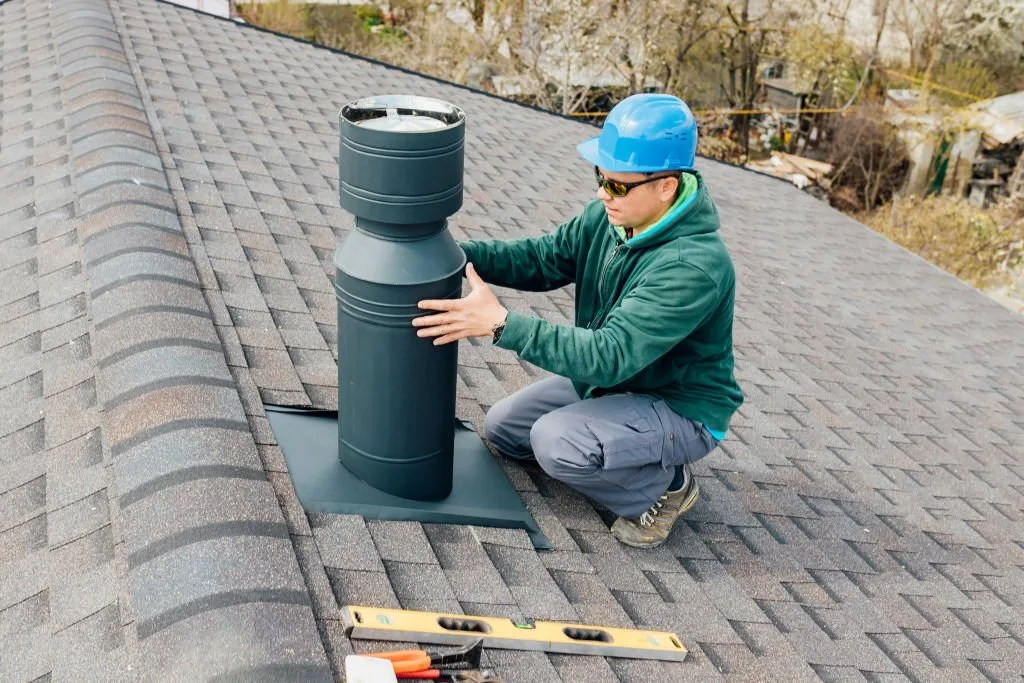
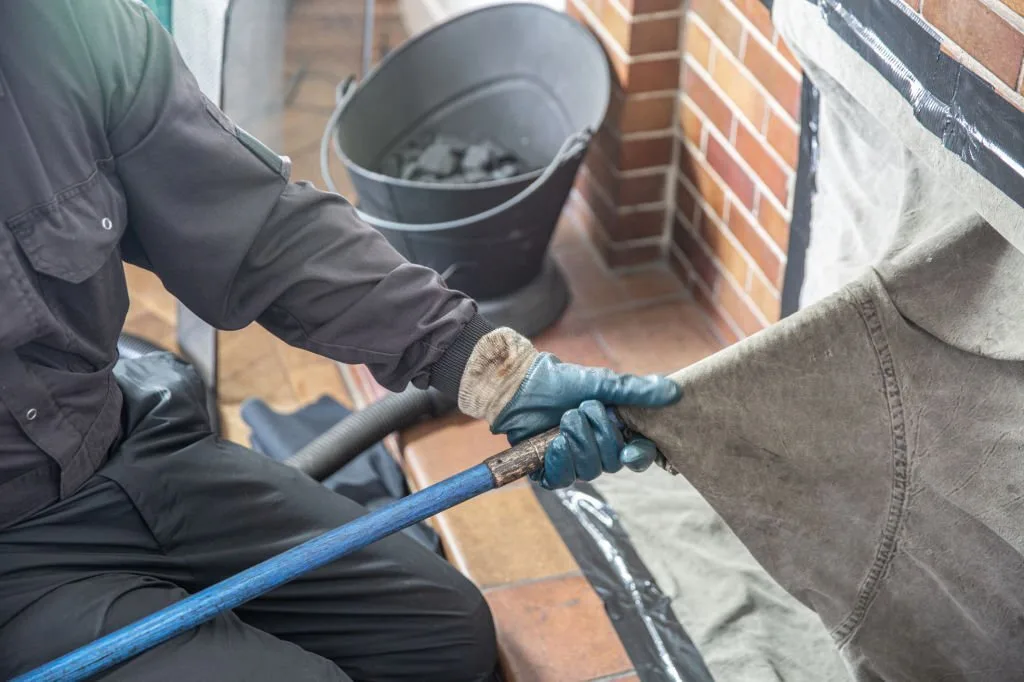
Pilot Light Repair in action
Get Your Pilot Light Holding Again
Request a quote for pilot light repair anywhere in King, Pierce or Snohomish County by calling 206-207-3974, Sunday through Friday, 7am to 8pm.
☎ (206) 207-3974 Request ServiceQuestions
Pilot Light Repair FAQ
Is it safe for me to try relighting the pilot myself?
Only if the manufacturer's instructions printed on the unit describe a homeowner relight procedure, and only exactly as written. If the pilot will not light or hold after following that plate, stop and call us. Never hold a valve open, bypass a safety switch, or attempt to relight if you smell gas — leave the house and call your gas utility or 911 from outside.
What is the difference between a thermocouple and a thermopile?
Both sit in the pilot flame and make a small voltage from heat. A thermocouple produces just enough to hold the pilot valve open; when it fails, the pilot drops out as soon as you release the knob. A thermopile produces more voltage and is what lets the switch or remote open the main burner valve; when it weakens, the pilot stays lit but the burner will not fire. We test both with a meter rather than guessing.
My pilot stays lit but the fireplace won't turn on. Is that a pilot light problem?
Often, yes. A weak thermopile is the single most common reason a pilot holds but the burner will not start. We confirm it by measuring output under load. If the thermopile tests fine, the fault is usually in the switch, wiring or valve, which moves the job into our Gas Fireplace Repair or Gas Valve Repair services.
Why does the pilot keep going out in windy weather?
On direct-vent fireplaces, wind can push back through the exterior termination and disturb the pilot flame. If the flame is already undersized or the sensor is barely in the flame, that gust is enough to trip the safety. Correcting the flame size and sensor position usually solves it; occasionally the vent cap itself needs attention.
Can't I just blow the dust out of the pilot with compressed air?
We do not recommend it. The pilot orifice is very small and precisely sized, and forcing air into the assembly can push debris deeper or disturb the tubing. A technician cleans it with the proper tools after shutting off and checking the gas supply, then confirms the flame pattern afterward.
Do you repair pilots on gas inserts and gas log sets too?
Yes. Standing-pilot and intermittent-pilot systems on direct-vent fireplaces, vented and vent-free gas log sets, and fireplace inserts all use the same basic pilot components, and we carry common sensors and igniters for them. If you need a new log set or insert rather than a pilot fix, our Gas Log Installation and Gas Fireplace Insert services cover that.
Related services
Service areas
Helpful reading