Home › Services › Chimney Animal & Nest Removal
Chimney Animal & Nest Removal Seattle, WA
Humane removal of raccoons, squirrels, birds and nesting debris from chimneys across Seattle, Tacoma and the Puget Sound corridor.
- 25+ years in business
- CSIA certified
- Licensed, bonded & insured
Request Chimney Animal & Nest Removal
Tell us what's going on — we'll confirm a time by phone or text.
Chimney animal and nest removal is the safe, humane process of getting a trapped or nesting animal out of your flue, clearing the nesting material it left behind, and sealing the opening so it cannot happen again. If you hear scratching, chirping or thumping inside the chimney, see droppings or twigs in the firebox, or notice a sour smell coming from the fireplace, there is a good chance something has moved in. Homeowners in Seattle, Tacoma and across King, Pierce and Snohomish counties call us for exactly this problem every spring and fall.
The single most important thing to know: do not light a fire to drive an animal out. A fire can kill a trapped animal, ignite a nest packed with dry twigs and leaves, and push smoke and carbon monoxide back into your living room because the flue is blocked. An uncapped chimney is simply an open hole in your roof, and to a raccoon, squirrel or bird it looks like a ready-made den.
Our team handles the whole job in the right order: identify what is in the chimney, remove or release it humanely, clean out the nest and any debris, inspect the flue for damage, and fit a proper chimney cap so the problem stays solved.
Symptoms & Problems
Signs an animal is in your chimney
- Scratching, scurrying or thumping sounds inside the chimney wall, often at night
- Chirping or high-pitched chattering from above the firebox, especially in late spring
- Twigs, leaves, grass or shredded material dropping into the fireplace
- Droppings, fur or feathers in the firebox or on the smoke shelf
- A sour, musky or rotten smell that gets stronger near the fireplace
- Flies gathering around the fireplace, which can signal a dead animal
- Smoke backing up into the room when the fireplace is used
- A missing, loose or damaged chimney cap or a visible gap at the top of the flue
How It Works
How we remove animals and nests from a chimney
Identify what is inside
A technician listens, looks with a light and camera from the firebox, and checks the damper and cap to determine whether you have a live animal, a nesting bird, a dead animal or just abandoned debris. Knowing the species matters because birds and mammals are handled very differently.
Humane removal or release
Raccoons and squirrels are encouraged out or removed using humane methods; a dead animal is bagged and the area deodorized. If the chimney holds an active bird nest with eggs or chicks, we explain the federal protections that apply and schedule the clean-out for after the birds have left.
Clean out, inspect and cap
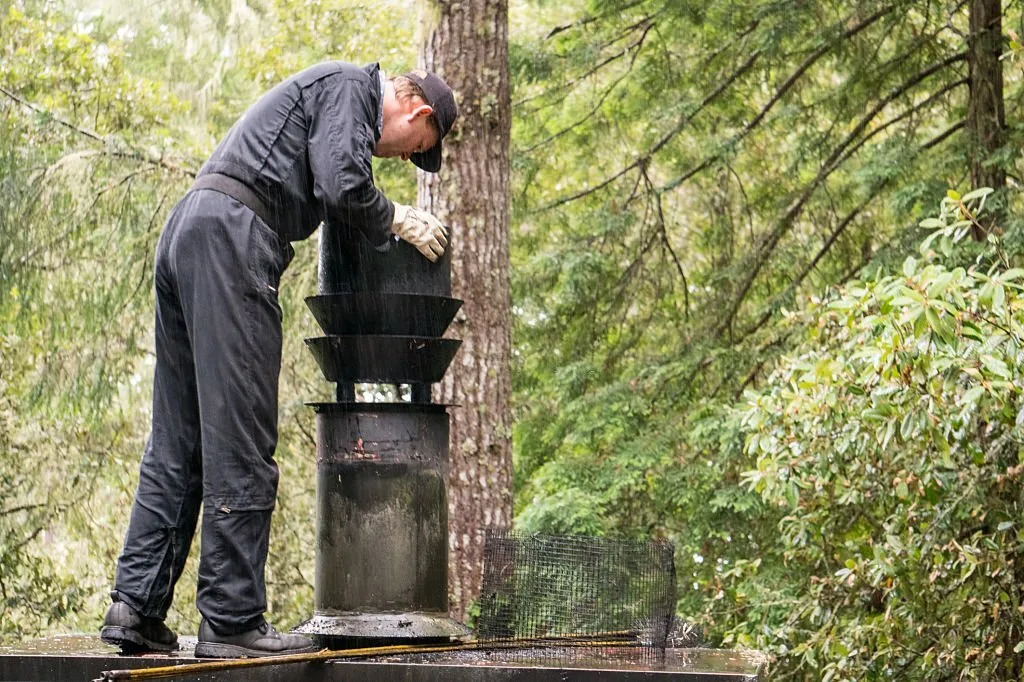
Once the flue is clear, we remove all nesting material and debris, sweep the flue if deposits were disturbed, inspect the liner and damper for damage, and recommend a cap or top-sealing damper so the chimney is closed off for good. You get a written summary of what was found and any next steps.
Options
Removal, clean-out and prevention options
- Live animal removal — when a raccoon, squirrel, opossum or other mammal is currently in the flue or on the smoke shelf. Handled humanely and without harming the animal wherever possible.
- Dead animal removal and deodorizing — when an animal has died in the chimney. The carcass is removed, the flue is cleaned, and odor treatment is applied so the smell does not linger in the home.
- Nest and debris clean-out — when a bird nest, squirrel drey or packed leaves are blocking the flue. Performed once the nest is inactive; abandoned nests and raccoon nesting material can usually be removed right away.
- Flue sweeping after removal — when nesting material or animal activity has loosened creosote or left contaminants on the flue walls, a full sweep restores a clean, open passage.
- Chimney cap or top-sealing damper installation — the prevention step. A stainless steel cap with a mesh screen keeps animals, rain and debris out; a top-sealing damper adds an airtight seal when the fireplace is not in use.
Pricing
What affects the price
- Whether the animal is alive, dead or has already left the chimney
- Species and location in the flue (smoke shelf, mid-flue or near the top)
- Amount of nesting material and whether a full flue sweep is needed afterward
- Whether odor treatment or sanitizing is required
- Type and size of the chimney cap or top-sealing damper installed
- Chimney height, roof pitch and access conditions
- Any liner, damper or masonry damage discovered during the inspection
We don't publish flat prices because every chimney is different. You'll get a written quote after we look at the system — no surprises.
Timing & Safety
When animal removal is urgent and when it can wait
Call promptly when:
- You hear a live animal that sounds trapped or distressed. Animals that fall down a smooth flue often cannot climb back out and will die without help.
- There is a strong odor or flies, which usually means a dead animal that will only get worse.
- You need to use the fireplace and suspect the flue is blocked. Never use the fireplace until the chimney has been checked.
- A raccoon has settled on the smoke shelf. Raccoons can push through a damper into the home.
It can be scheduled, but do not ignore it, when:
- You hear chirping from chimney swifts or other nesting birds. By federal law the nest must be left alone until the young have fledged, usually a few weeks. We can inspect now and return to clean out and cap the chimney once the birds are gone.
- An old, abandoned nest is visible but the fireplace is not in use. It still needs to come out before the burning season because it is a fire and smoke hazard.
- The chimney has no cap but no current activity. Adding a cap now is far simpler than dealing with a tenant later.
Safety considerations
- Never light a fire to smoke an animal out. It can kill the animal, ignite the nest, and force smoke and carbon monoxide into the house.
- Keep the damper closed and the fireplace doors or screen shut so a frightened animal cannot enter the living space.
- Do not reach into the flue or try to grab an animal. Raccoons, squirrels and bats can bite and may carry rabies or other diseases; droppings can carry parasites and fungal spores.
- Stay off the roof. Wet Puget Sound roofs are slick, and a technician with the right equipment should handle anything at the chimney top.
- Migratory birds are protected. Chimney swifts, swallows and most native birds fall under the Migratory Bird Treaty Act. Disturbing an active nest, eggs or chicks is illegal. The correct approach is to wait for the birds to leave, then clean and cap.
- Gas fireplaces: if you ever smell gas, leave the house immediately and call your gas utility or 911 from outside.
- After any blockage, the flue should be inspected before the next fire. Nesting debris can leave behind partial obstructions and damage you cannot see from the firebox.
Seattle & Puget Sound conditions
Western Washington's mild, wet climate makes chimneys especially attractive shelters. Raccoons and squirrels look for dry, warm spots during our long rainy stretches, and an uncapped flue that gathers residual heat from the house is exactly that. Birds, including chimney swifts, return to the Puget Sound region each spring and favor open masonry flues for nesting. Older homes in Seattle, Tacoma, Everett and the surrounding neighborhoods often have original brick chimneys that were never capped, and decades of freeze-thaw cycles and moss growth can widen gaps at the crown that give smaller animals an easy way in. Because so many local chimneys sit idle through the summer, an animal can settle in unnoticed until the first cold evening in October when someone tries to light a fire. An inspection before burning season, and a cap if your chimney does not have one, prevents most of these calls entirely.
Real Work
Chimney Animal & Nest Removal in action
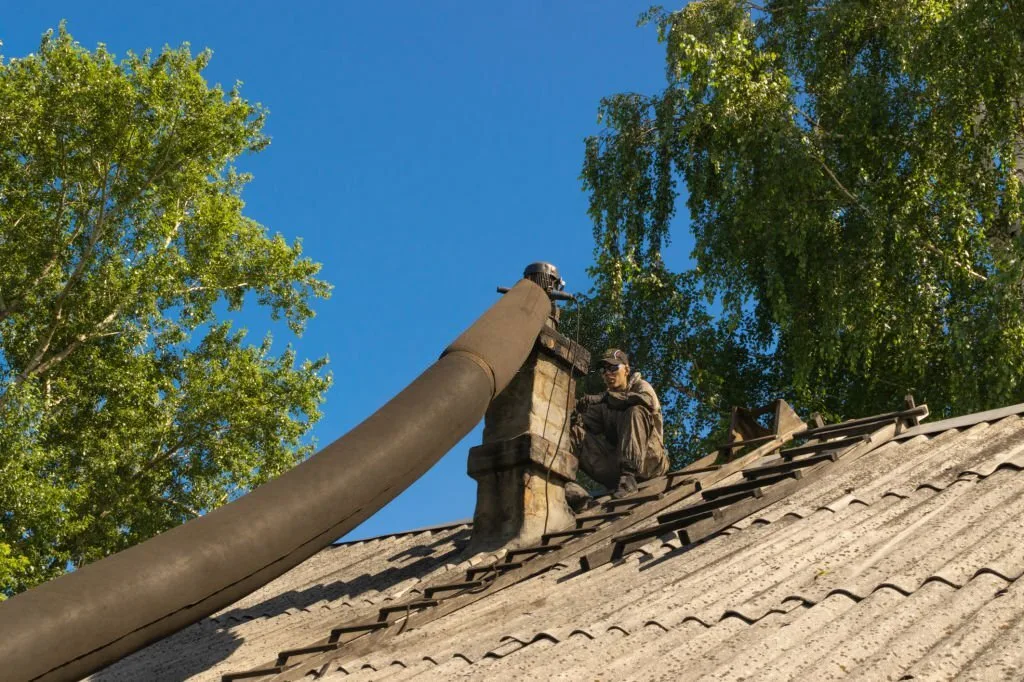
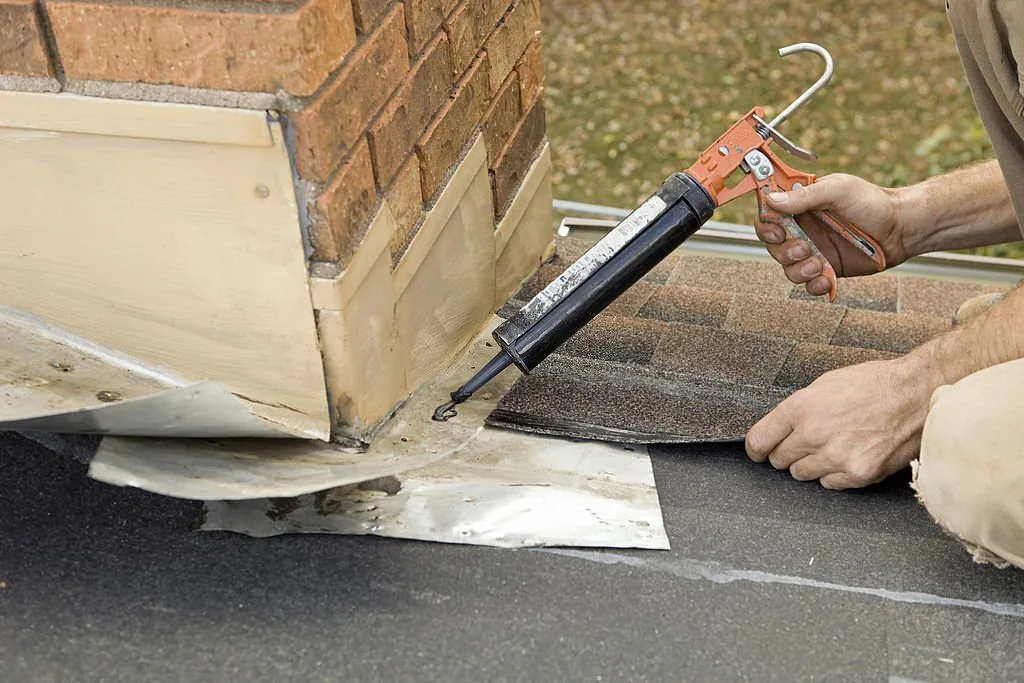
Something living in your chimney? Keep the damper closed and call us.
Request humane animal and nest removal, a flue inspection and a cap to keep them out for good by calling 206-207-3974.
☎ (206) 207-3974 Request ServiceQuestions
Chimney Animal & Nest Removal FAQ
Can I just light a fire to drive the animal out?
No. A fire can kill a trapped animal, ignite dry nesting material in the flue, and send smoke and carbon monoxide into your home because the chimney is blocked. Keep the damper closed and call for removal instead.
I hear chirping in my chimney. Can you remove the birds today?
If the chirping is from an active nest, the answer is usually no. Chimney swifts and most native birds are protected under the federal Migratory Bird Treaty Act, so the nest, eggs and chicks must be left undisturbed until the young leave on their own, typically within a few weeks. We can inspect now, then return to clean out the nest and install a cap once the chimney is empty.
How did the animal get into my chimney in the first place?
Almost always through an uncapped or damaged flue opening at the top. Raccoons climb down deliberately to den on the smoke shelf; squirrels and birds often fall in and cannot climb back up the smooth liner. A properly screened chimney cap closes that entry point.
Will the animal get into my house?
It is possible if the damper is open or does not seal well. Raccoons in particular are strong enough to push a loose damper. Keep the damper closed and the fireplace doors shut until a technician arrives.
What happens if the animal has already died in the chimney?
A dead animal produces a strong odor and can attract flies. Our team removes the carcass, clears any nesting debris, sweeps the flue and applies deodorizing treatment so the smell does not persist in the home.
Do I need a chimney cap after the animal is removed?
Strongly recommended. Without a cap the chimney is still an open hole, and the same species tends to return to the same spot. A stainless steel cap with mesh screening keeps animals, birds, rain and debris out, which also helps protect the liner and damper from moisture damage.
Related services
Service areas
Helpful reading