
Home › Services › Chimney Cleaning Stage 1
Chimney Cleaning Stage 1 Seattle, WA
Routine removal of light, flaky first-degree creosote from wood-burning chimneys across Seattle, Tacoma and King, Pierce and Snohomish counties.
- 25+ years in business
- CSIA certified
- Licensed, bonded & insured
Request Chimney Cleaning Stage 1
Tell us what's going on — we'll confirm a time by phone or text.
Stage 1 chimney cleaning is the routine case: the flue has a thin coat of dry, flaky, loose soot (first-degree creosote) that comes off with a standard rotary or manual brush. This is what a chimney looks like when it has been burning seasoned wood with good draft and has been swept on a regular schedule. If you use your wood fireplace or stove through a Puget Sound winter and have it cleaned every year or so, stage 1 is almost always what we find.
How it differs from its siblings: our Chimney Cleaning Stage 2 page covers the crunchy, tar-like flakes that need more aggressive tools, and Chimney Cleaning Stage 3 covers hardened, glazed creosote that brushing alone will not remove. Our general Chimney Sweep page describes the standard annual visit; this page goes deeper on what stage 1 deposits look like, why catching creosote at this stage is the least expensive option, and exactly what happens during the visit.
James Chimney Sweep has cleaned chimneys in the Seattle area for more than 25 years, is CSIA certified, and is licensed, bonded and insured in Washington. Hours are Sunday through Friday, 7am to 8pm.
Symptoms & Problems
Signs your chimney is at stage 1 (and ready for a routine cleaning)
- A fine, dusty black or dark-brown coating on the damper or the first few feet of flue
- Soot that smears or flakes off when touched, rather than crunching or feeling glassy
- A faint smoky or campfire smell in the room on damp days, especially after rain
- It has been about a year, or roughly a cord of wood, since the last sweep
- Small sooty flakes found on the smoke shelf or in the firebox after a fire
- The fire still lights and draws well, with no backpuffing or heavy smoke
- A thin black dusting on the chimney cap or rain cover that washes off easily
- You burn dry, seasoned wood and want to keep the chimney in this easy-to-clean condition
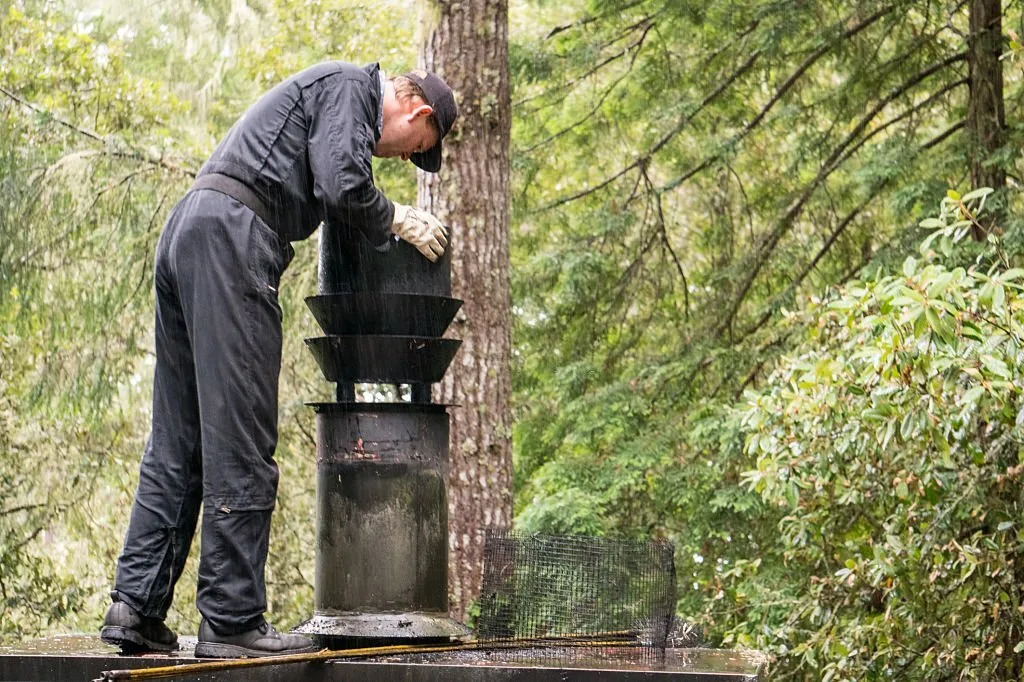
How It Works
What a stage 1 cleaning visit involves
Inspect and confirm the stage
We start at the firebox with drop cloths down and the area protected. A technician looks up the flue with a light and, where useful, a camera to confirm the deposit is dry and flaky rather than tarry or glazed. We also check the damper, smoke shelf and cap for blockages. If we find anything beyond stage 1, we tell you before doing different work.
Brush the flue and clean the system
Using a rotary brush head or a manual brush sized to your flue, we sweep the full length of the liner while a HEPA vacuum captures dust at the firebox. Stage 1 creosote releases cleanly with this method. We brush the smoke shelf and firebox, clear the damper, and vacuum loose soot so nothing ends up in your living room.
Report and recommend
You get a plain-English summary of what we found and removed, photos where helpful, and a recommended interval before the next sweep based on how much you burn. If we notice cracked tiles, a damaged cap or missing mortar while we are in there, we note it so you can decide what to do next.
Options
Ways a stage 1 cleaning can be set up
- Standard rotary brushing — the usual choice for masonry flues and most metal liners; flexible rods with a brush head sweep the full length from the firebox.
- Manual wire or poly brushing — used where a flue has tight offsets, a stainless liner that calls for a softer poly brush, or a size that suits a hand-driven pass better.
- Cleaning plus a visual inspection — pairs the sweep with a closer look at the liner and chimney exterior; a sensible add-on if the chimney is new to you or has not been looked at in a few years.
- Wood stove and insert sweeps — the same stage 1 approach adapted for stoves and inserts, where access may be through the stove collar or by pulling the insert forward slightly.
- Annual maintenance scheduling — we can set a yearly reminder so the chimney stays at stage 1 instead of sliding into stage 2.
Pricing
What affects the price
- Type of appliance: open masonry fireplace, wood stove, or fireplace insert
- Height and number of stories the flue runs through
- Whether the flue is straight or has offsets that slow the brushing
- Access from inside the home versus needing a roof-side approach
- Whether a camera inspection is added to the sweep
- Number of flues in the same chimney being cleaned on one visit
- Travel distance within King, Pierce and Snohomish counties
We don't publish flat prices because every chimney is different. You'll get a written quote after we look at the system — no surprises.
Timing & Safety
When stage 1 cleaning is necessary versus optional
Necessary:
- You burn wood regularly and the last sweep was a year or more ago, regardless of how the flue looks from below.
- An inspection found a measurable layer of loose soot; even a thin layer is fuel, and leaving it lets the next layer build on top and harden.
- You are buying or just bought a home with a wood fireplace and have no record of the last cleaning.
- You plan to burn heavily this winter and want to start the season with a clear flue.
Optional, or can wait:
- You burned only a handful of fires since the last sweep and an inspection shows barely a dusting.
- The fireplace is decorative and has not been used; in that case an inspection alone may be the better use of the visit.
NFPA 211 recommends that chimneys be inspected annually and cleaned as needed. Stage 1 is the stage where 'as needed' is cheapest and fastest to satisfy.
Safety considerations
Even light creosote is combustible. The reason to clean at stage 1 is that it never gets the chance to thicken into the tarry or glazed deposits that feed chimney fires. A few practical points:
- Keep the damper closed between fires in wet weather so moist Puget Sound air does not condense on the soot and bind it to the flue.
- Burn seasoned, dry wood. Wet or green wood produces the cool, smoky fires that push a chimney from stage 1 to stage 2 quickly.
- Do not try to sweep from the roof yourself. Our technicians work from inside where possible and carry the right equipment for anything that must be done up top.
- If you ever hear a roaring sound in the chimney, see flames or sparks from the cap, or smoke pours back into the room, get everyone out and call 911 before calling us.
Seattle & Puget Sound conditions
Seattle and the wider Puget Sound region are unusually good at turning a tidy stage 1 chimney into a stage 2 problem. Our long, damp heating season means fireplaces run for months at a time, and the wet air that sits over the Sound from October to April condenses inside a cooling flue. Moisture plus soot is what makes flakes stick and harden. Many local homeowners also burn wood that has been stored under a tarp rather than in a dry, ventilated shed, and that wood rarely reaches the low moisture content that burns clean. Add in the mild shoulder seasons, when people light small, smoldering fires for atmosphere rather than hot, clean-burning ones, and deposits build faster than you would expect. The upside is that homes from Tacoma up through Everett that get a routine sweep each year almost always stay at stage 1, which is the fastest, lowest-cost and least disruptive visit we make.
Real Work
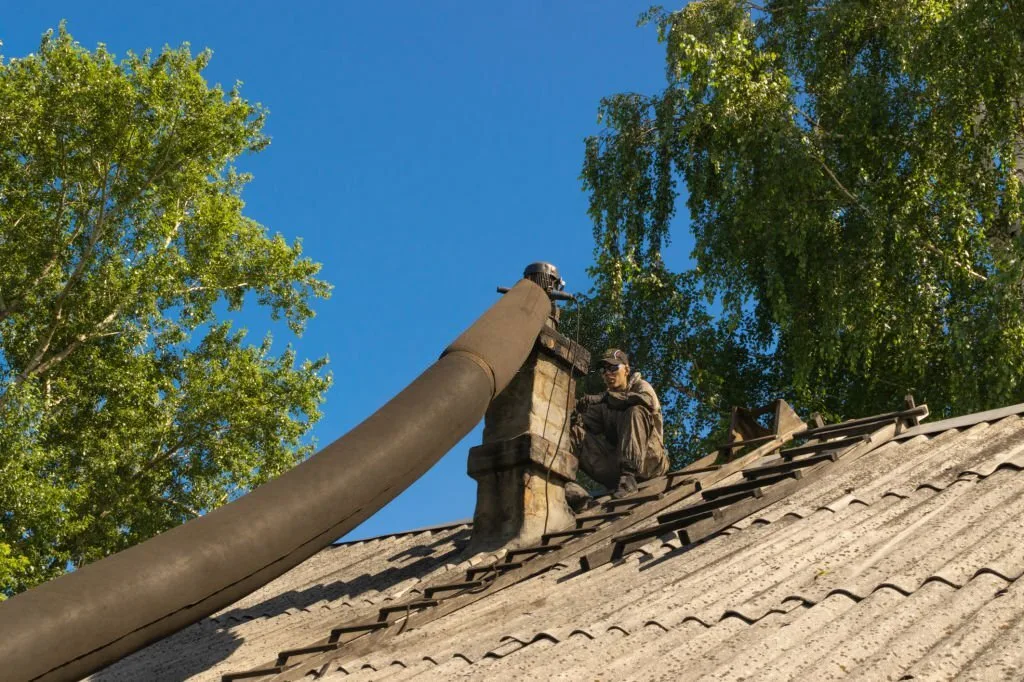
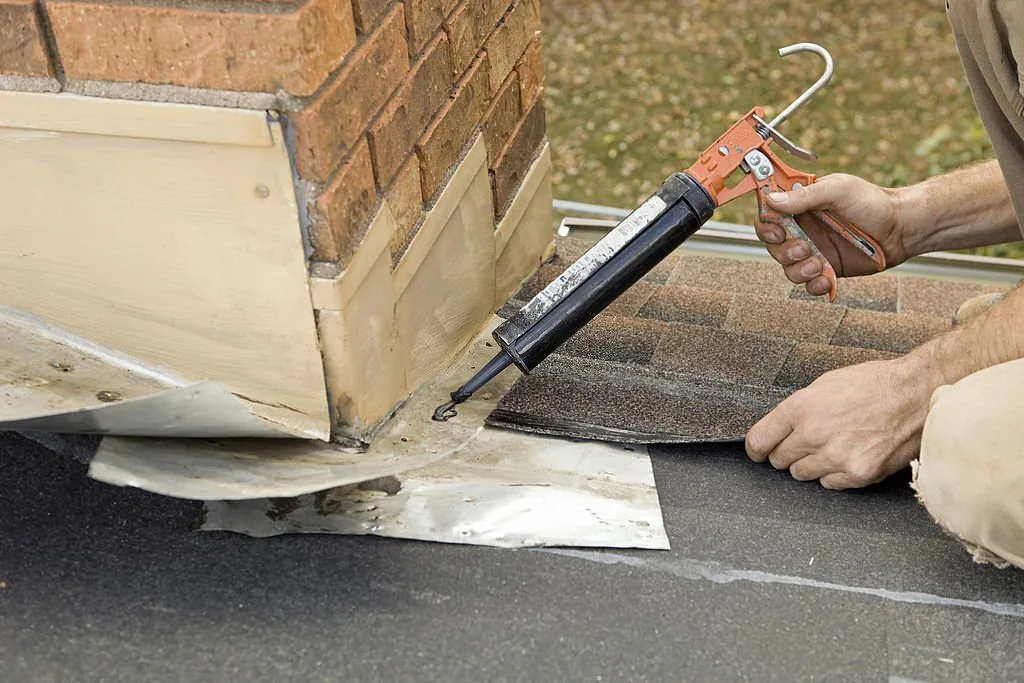
Chimney Cleaning Stage 1 in action
Keep it at stage 1: book a routine chimney cleaning
Call 206-207-3974 or request a quote online and we will schedule a stage 1 sweep anywhere in King, Pierce or Snohomish County.
☎ (206) 207-3974 Request ServiceQuestions
Chimney Cleaning Stage 1 FAQ
What exactly is stage 1 creosote?
It is the first and lightest form of creosote: a dry, dusty or flaky layer of soot that forms when wood smoke cools inside the flue. It has not yet been baked or moistened into the crunchy or glazed forms. Because it is loose, a standard brush removes it cleanly.
How can I tell stage 1 from stage 2 without climbing on the roof?
You usually cannot be certain from below, and we never ask homeowners to go on the roof. A rough indicator is that stage 1 soot smudges like pencil dust on a finger when you wipe the damper, while stage 2 feels crunchy or granular. We confirm the stage during the inspection at the start of every visit.
Why is a stage 1 cleaning cheaper than the other stages?
The deposit releases with ordinary brushing, so the visit is quicker and needs no specialty chemicals or heavier mechanical tools. The longer creosote sits, the more labor and equipment it takes to remove, which is why an annual sweep tends to cost less over time than waiting.
How often should a Seattle-area wood fireplace be swept to stay at stage 1?
For most households that burn through the winter, once a year is the right rhythm. Heavy burners, or anyone using a wood stove as a main heat source, may need a sweep mid-season as well. We will tell you after we see how much came out.
Will a stage 1 cleaning make a mess in my house?
No. We lay drop cloths, seal the firebox opening and run a HEPA vacuum the whole time the brush is in the flue. Stage 1 soot is dusty, which is exactly why the vacuum containment matters, and it is the reason we do not recommend homeowners try it with a shop vac.
Does this apply to gas fireplaces or pellet stoves?
No. Stage 1 creosote is a wood-burning issue. Gas appliances have a different set of concerns and are covered on our gas fireplace chimney cleaning page. Pellet stoves produce fine ash rather than creosote and follow their own maintenance routine.
Related services
Service areas
Helpful reading