Home › Services › Chimney Cap Installation & Replacement
Chimney Cap Installation & Replacement Seattle, WA
Chimney caps installed where none exist and rusted caps replaced for homes across King, Pierce and Snohomish counties.
- 25+ years in business
- CSIA certified
- Licensed, bonded & insured
Request Chimney Cap Installation & Replacement
Tell us what's going on — we'll confirm a time by phone or text.
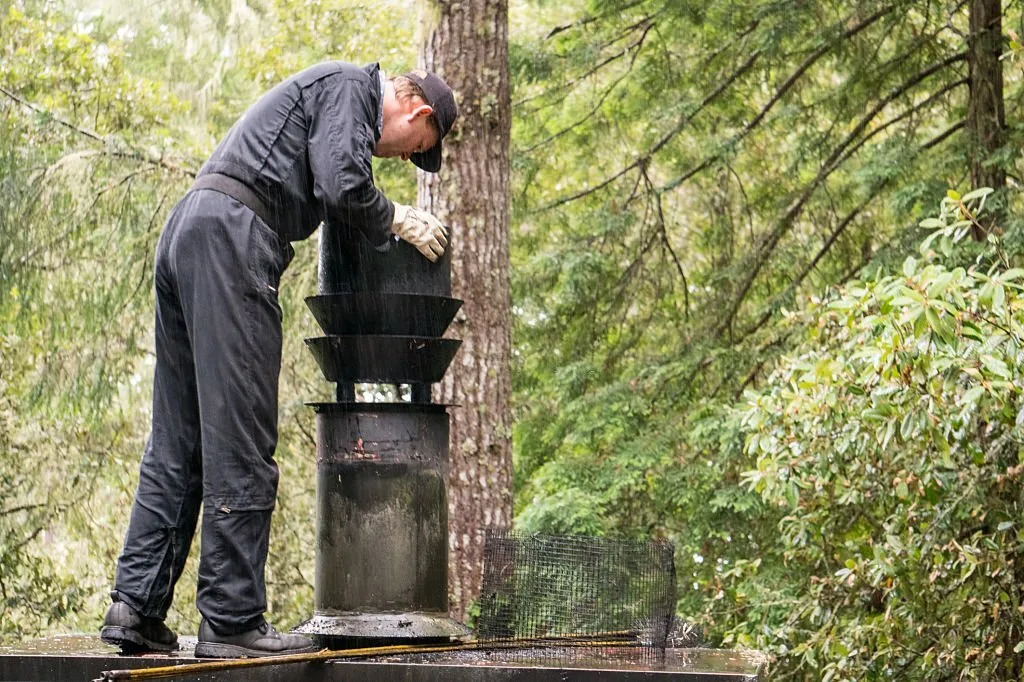
A chimney cap is the metal cover that sits on top of your flue. It has one simple job with several big payoffs: it keeps rain out of the chimney, keeps birds, squirrels and raccoons from getting in, stops leaves and fir needles from dropping down the flue, and its mesh screen catches sparks and embers before they land on your roof. If your chimney has no cap, or the cap it has is rusted through, loose or missing its screen, James Chimney Sweep can install or replace it as part of a visit anywhere in the Seattle, Tacoma and Puget Sound corridor.
This page is for homeowners who have noticed water in the firebox, heard scratching in the chimney, spotted an orange-brown cap from the street, or were told during an inspection that the chimney is open at the top. We cover what a cap does, how we confirm the right fit, the difference between galvanized, stainless and copper caps, and what actually drives the cost of the job.
Symptoms & Problems
Signs your chimney needs a cap or a replacement
- Water pooling in the firebox or dripping sounds inside the chimney after rain
- Rust stains running down the crown or the outside of the chimney
- A cap that is visibly orange, flaking, bent or tilted from the street
- Scratching, chirping or fluttering noises coming from the flue
- Leaves, needles, twigs or nesting material found in the firebox
- A damp, musty or smoky smell from the fireplace when it is not in use
- Mesh screen that is torn, missing or packed solid with creosote
- No cap at all on top of the flue tile
How It Works
How we install or replace a chimney cap
Inspect the flue top, crown and existing cap
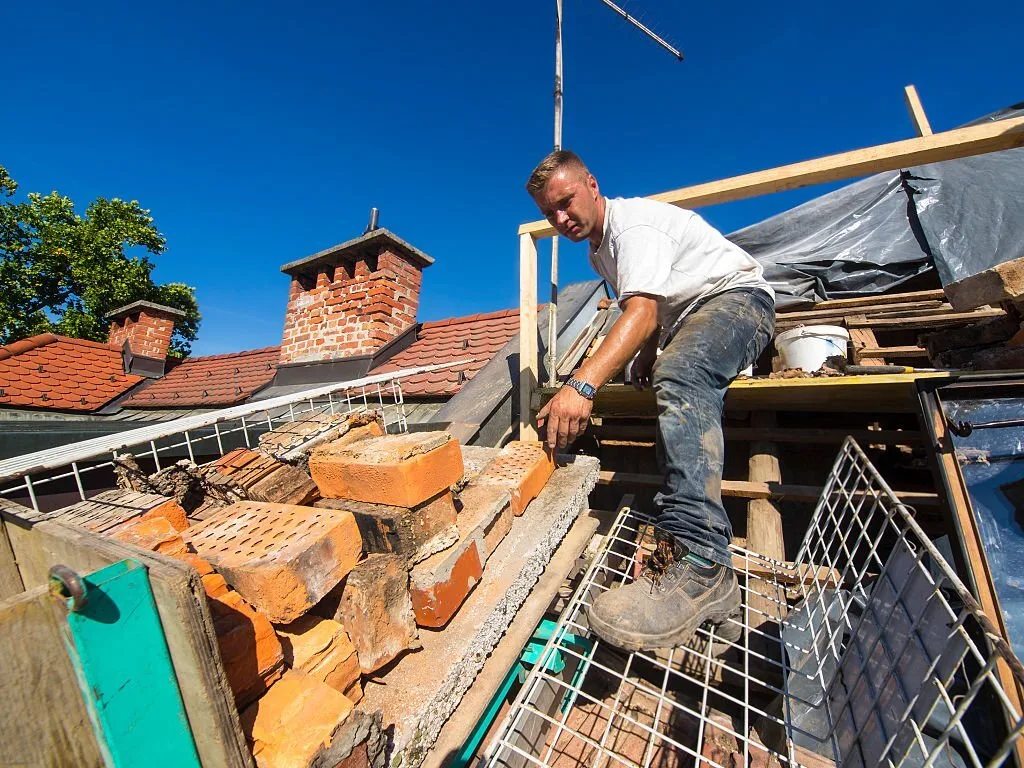
A technician looks at the flue tile or metal pipe, the crown, and whatever cap is there now, then checks down the flue to confirm there is no nest, debris or damage that needs to be dealt with before a new cap goes on.
Measure and fit the right cap
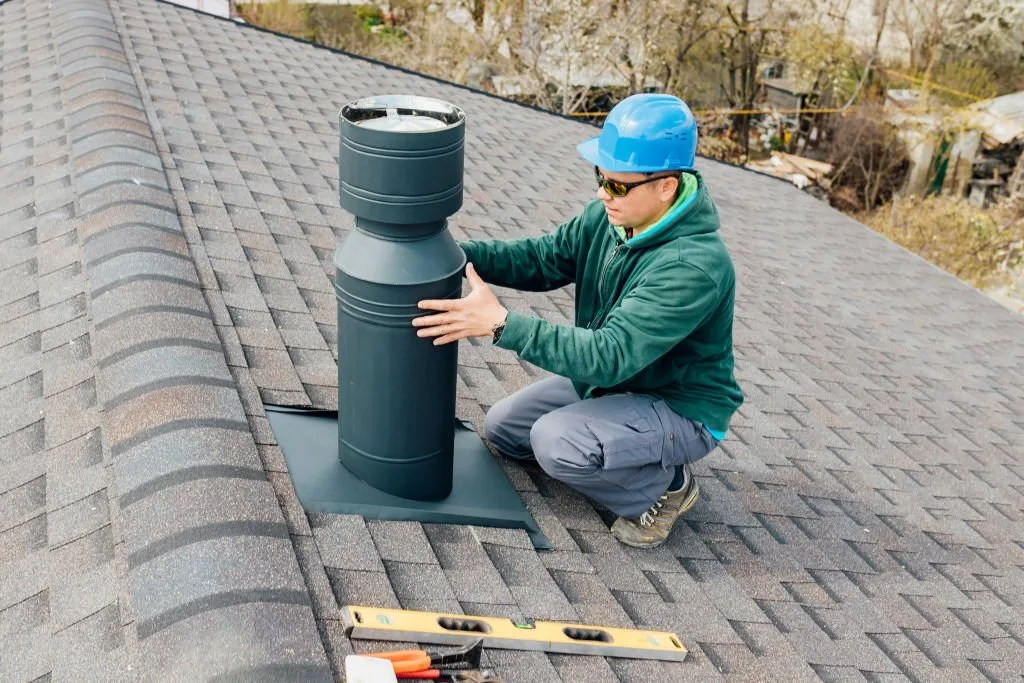
We measure the flue opening and choose a cap sized and mounted correctly for it, whether that is a single clay tile, a multi-flue masonry chimney, or a factory-built metal chimney. The cap is secured so it stays put through Puget Sound wind and rain.
Confirm draft and report findings
After installation we confirm the cap is not restricting airflow, and we give you a plain-language summary of what we found, including any crown cracks, loose tiles or other issues worth addressing next.
Options
Chimney cap options
- Galvanized steel cap — The lowest-cost option. It works, but in our wet climate galvanized coatings tend to rust through within a few years, and the rust stains the crown and masonry below. Best for a short-term fix or a chimney you plan to rebuild.
- Stainless steel cap — The practical choice for most Puget Sound homes. Stainless resists rust and holds up to year-round moisture far longer than galvanized, which is why it is what we recommend and install most often.
- Copper cap — The longest-lasting and best-looking option. Copper weathers to a green patina rather than rusting, and is chosen mostly for visible chimneys on homes where appearance matters.
- Multi-flue or top-mount cap — One larger cap that covers the whole crown and several flues at once. Useful when a chimney has two or more flues, or when the crown edge is the best place to anchor.
- Cap with damper — A top-sealing damper built into the cap, for fireplaces where the throat damper is warped or missing and you want to stop heated air escaping up the flue when the fireplace is idle.
Pricing
What affects the price
- Cap material: galvanized, stainless steel or copper
- Flue type and size: single clay tile, oversized or odd-shaped tile, or factory-built metal pipe
- Single-flue cap versus a multi-flue top-mount cap covering the whole crown
- Whether a nest, debris or heavy deposits must be cleared before the cap can go on
- Whether a rusted cap is seized to the tile and has to be cut off
- Roof pitch, chimney height and how the chimney top is reached safely
- Any related crown or flue-tile repair discovered during the visit
We don't publish flat prices because every chimney is different. You'll get a written quote after we look at the system — no surprises.
Timing & Safety
When a chimney cap is necessary, and when it can wait
A cap is necessary when:
- The flue is open at the top. Rain entering an uncapped flue mixes with creosote to form an acidic sludge that eats at clay tiles, mortar and the damper, and it runs into the firebox.
- The existing cap is rusted through, missing its screen, or loose enough to blow off. A loose cap can land on the roof or in the yard.
- Animals have been inside. A bird or raccoon in the flue is a blockage risk, and a dead animal is an odor and health problem.
- You burn wood. The spark screen is what keeps embers off a cedar-shake or moss-covered roof.
A cap can wait, but should be on the list, when it is cosmetically rusty but still solid and screened, or when the chimney serves a gas appliance with its own listed termination that already includes a rain cover. In that case we will tell you so; we do not replace caps that are doing their job.
Safety considerations
- Please do not go on the roof to check or remove a cap yourself. Wet Seattle roofs and moss are slippery, and a technician has the equipment to work up there safely.
- A cap screen should never be removed to improve draft. If a fire drafts poorly, the cause is usually a blocked or dirty flue, a closed damper or a pressure problem in the house, not the screen.
- Caps on factory-built metal chimneys must be the type listed for that chimney system. A masonry cap forced onto a metal pipe can trap heat and restrict the flue.
- If an animal is currently in the flue, keep the damper closed and do not light a fire. We can remove debris and nesting material as part of the visit.
- NFPA 211 recommends an annual inspection of every chimney and vent. Cap condition is part of that inspection, which is how most rusted caps get caught before they fail.
- If you ever smell gas near a gas fireplace or appliance, leave the house and call your utility or 911 before calling anyone else.
Seattle & Puget Sound conditions
Seattle and the Puget Sound corridor are about as hard on a chimney cap as anywhere in the country. Months of steady rain mean an uncapped flue takes on a lot of water, and the same rain is why galvanized caps here turn orange far sooner than they would in a dry climate. The moisture that gets in does not dry out quickly, so creosote stays wet and acidic and flue tiles stay damp through the freeze-thaw nights of December and January. Add fir and cedar needles that collect on every roof, and the moss that grows on north-facing shakes and composition shingles, and a spark screen stops being optional for wood burners. A stainless or copper cap fitted once and checked at each annual inspection is the simplest protection a chimney in this climate can have.
Real Work
Chimney Cap Installation & Replacement in action
Put a lid on rain, animals and embers
Call 206-207-3974 to request a chimney cap installation or replacement anywhere from DuPont to Mount Vernon.
☎ (206) 207-3974 Request ServiceQuestions
Chimney Cap Installation & Replacement FAQ
Do I really need a chimney cap if I rarely use the fireplace?
Yes. Rain and animals get in whether you burn or not, and the water damage to tiles, mortar and the damper happens quietly over years. A cap protects the chimney structure, not just the fire.
How long does a chimney cap last?
It depends on the material. In our wet climate galvanized caps often rust through within a few years, stainless steel typically lasts many times longer, and copper outlasts both. Cap condition is checked at every annual inspection.
Can you install a cap on a metal or prefab chimney?
Yes, as long as we use a cap made for that chimney system. Factory-built chimneys need the termination listed for them, and a technician will confirm what your chimney has before recommending one.
Will a cap hurt my fireplace's draft?
A properly sized cap with a clean screen does not noticeably affect draft. Draft problems usually come from a dirty flue, a blocked screen, or a too-short chimney, all of which we check during the visit.
There is a bird or squirrel in my chimney. Can you help?
Yes. Keep the damper closed and do not light a fire. We remove debris and nesting material, inspect the flue, and cap it so it cannot happen again. If a live, protected bird species is nesting, we will tell you what the timing options are.
How do I get a quote for a chimney cap?
Call 206-207-3974 or email info@jameschimneysweep.com with your city and a description or photo of your chimney top. We will give you the options and schedule a visit, Sunday through Friday, 7am to 8pm.
Related services
Service areas
Helpful reading