Home › Services › Chimney Chase Cover Repair
Chimney Chase Cover Repair Seattle, WA
Resealing, re-fastening and leak repair for metal chimney chase covers on homes across Seattle, Tacoma and King, Pierce and Snohomish counties.
- 25+ years in business
- CSIA certified
- Licensed, bonded & insured
Request Chimney Chase Cover Repair
Tell us what's going on — we'll confirm a time by phone or text.
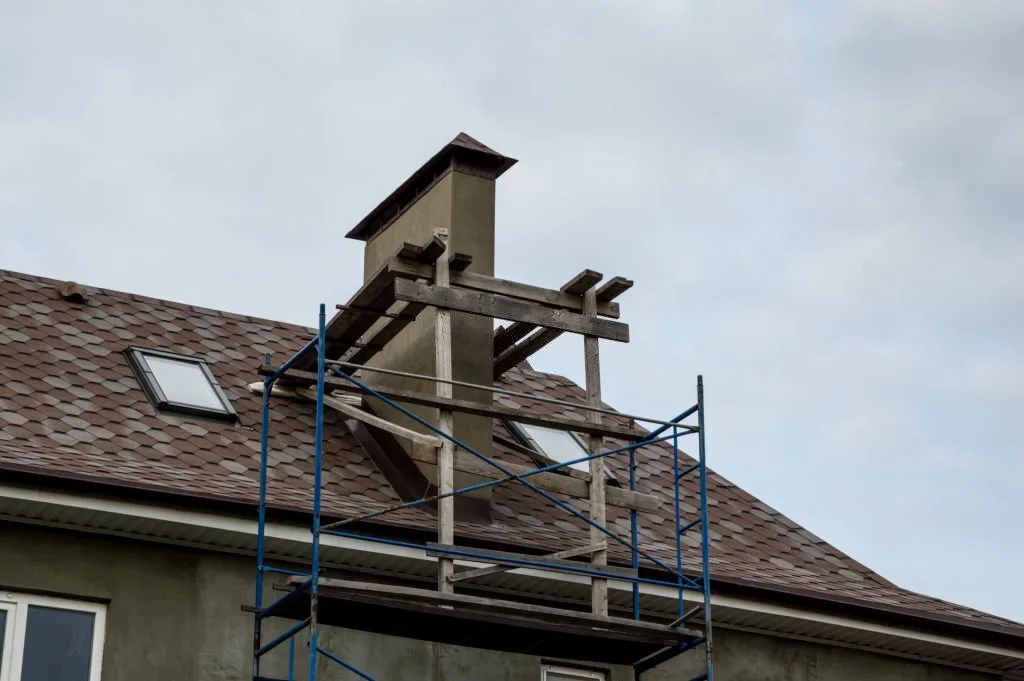
A chase cover is the metal lid that sits on top of a framed (wood-sided or stucco) chimney chase and keeps rain out of the cavity around your factory-built fireplace flue. When it leaks, the water does not show up on the roof. It runs down inside the chase and shows up as stains around the fireplace, rust streaks on the siding, or a musty smell in the room. Chase cover repair is the fix for a cover that is still structurally sound but has failed at a seam, a fastener, the storm collar, or a low spot that holds water.
This page is about repairing the cover you already have. If the metal itself has rusted through, the honest answer is usually a new cover, which we handle under Chimney Chase Cover Replacement. If the leak is coming through the siding, trim or framing of the chase rather than the lid on top, that falls under Chimney Chase Repair or Chimney Chase Siding Repair. During the inspection we tell you which one you actually need.
James Chimney Sweep has served Puget Sound homeowners for more than 25 years. We are CSIA certified and licensed, bonded and insured in Washington.
Symptoms & Problems
Signs your chase cover needs repair
- Water stains or dripping on the fireplace face, mantel or ceiling near the chimney
- Rust-colored streaks running down the chase siding below the cover
- Standing water or a visible sag in the middle of the cover after rain
- Cracked, peeling or missing sealant around the flue pipe or storm collar
- Loose, missing or backed-out screws along the cover edges
- Edges of the cover lifted or rattling in wind
- Musty or damp smell from the fireplace, worse after a storm
- Surface rust spots that have not yet eaten through the metal
How It Works
How we repair a chase cover
Inspect the cover and trace the leak
We examine the cover from above and check the chase interior from the firebox side where possible. We look at every seam, the storm collar and flue penetration, the fastener line, the skirt and drip edge, and whether the top has sagged into a flat spot. We probe rust to see whether it is surface corrosion or has gone through the metal. You get a plain explanation of what is failing and whether repair makes sense.
Make the repair
Depending on what we find, we clean and reseal failed seams and the storm collar with a high-temperature, exterior-grade sealant, replace corroded or missing fasteners with gasketed stainless screws, re-bed the skirt so it sheds water over the siding, treat and coat surface rust, and correct ponding by adding support or pitch under a sagging top.
Report and next steps
We show you photos of the problem and the finished work, note anything we observed about the chase or flue that should be watched, and tell you honestly how much service life the repaired cover should reasonably give before replacement becomes the better investment.
Options
Repair options we offer
- Seam and storm collar reseal — when the metal is sound but the original caulk has dried, cracked or pulled away around the flue or corner seams. This is the most common and least invasive repair.
- Re-fastening and edge re-bedding — when screws have backed out, rusted or were never gasketed, leaving the cover loose and letting water wick under the skirt.
- Ponding and flat-spot correction — when the cover top has sagged and water sits in the middle. We add cross support or shim to restore pitch so water drains to the edges.
- Rust treatment and protective coating — when surface rust has started on a galvanized cover but has not perforated it. Treating it early can add years before replacement.
- Flue pipe cap securing — when the cap on the pipe that passes through the cover is loose or missing and rain is entering there rather than through the cover itself.
Pricing
What affects the price
- How many seams, penetrations and fasteners need attention
- Whether ponding requires added support under the cover or just resealing
- Extent of surface rust and whether coating is worthwhile
- Height of the chase and how the roof pitch affects safe access and setup
- Whether the storm collar or flue cap also needs replacing
- Condition of the chase top framing the cover sits on
- Whether a chimney inspection is combined with the repair visit
We don't publish flat prices because every chimney is different. You'll get a written quote after we look at the system — no surprises.
Timing & Safety
When repair is the right call, and when it is not
Repair makes sense when:
- The cover is still rigid and the metal is intact when probed
- The leak is clearly coming from a seam, collar, fastener or low spot
- Rust is on the surface only, with no pinholes or soft areas
- The cover fits the chase correctly and the skirt still overlaps the siding
Replacement is the honest answer when:
- Rust has gone through the metal anywhere, even one pinhole, because more will follow
- The top is so sagged that it cannot be brought back to positive drainage
- The cover is undersized or was never properly fitted, so sealing one gap just moves the leak
- A galvanized cover is at the end of its life and repair would be repeated every year or two
It can wait when: the cover shows early surface rust or slightly weathered sealant but no water is getting in. We note it and recommend sealing before the next wet season. Leaving an active leak is the one thing we advise against, because water damage to the framing and fireplace unit costs far more than the cover.
Safety considerations
A leaking chase cover is a water problem first, but it becomes a fire and structural concern if it goes on long enough. Water inside the chase corrodes the firestops and the factory-built flue sections, rots the framing that supports the fireplace, and can soak insulation against the flue pipe. We check for these conditions during the repair.
- We do not recommend homeowners get on the roof to inspect or caulk a chase cover. Wet Puget Sound roofs and moss are a genuine fall hazard and most leaks are misdiagnosed from a ladder anyway.
- Ordinary hardware-store caulk is not rated for the heat around a flue pipe. The storm collar needs a high-temperature sealant.
- If we find the flue pipe or firestops have corroded, we will tell you before you use the fireplace again. NFPA 211 recommends an annual chimney inspection, and a chase leak is a good reason to have one done.
- If your fireplace is gas and you ever smell gas, leave the house and call your gas utility or 911. Gas lines and valves are only serviced by a qualified technician.
Seattle & Puget Sound conditions
Chase covers in Seattle, Tacoma and the surrounding counties fail faster than in drier climates for a few specific reasons. Our long wet season means a shallow flat spot on the cover holds water for months at a time, which is exactly how galvanized steel develops rust from the inside of a puddle outward. Moss and fir needles collect against the storm collar and along the skirt, keeping those seams permanently damp and pulling sealant loose. Freeze-thaw nights in the foothills and east-side suburbs open up cracked caulk a little further each winter. Closer to the Sound, salt air speeds corrosion on unprotected metal. The practical result is that a reseal and rust treatment done in late summer or early fall, before the rain returns, is one of the most cost-effective things a Puget Sound homeowner with a framed chimney chase can do.
Real Work
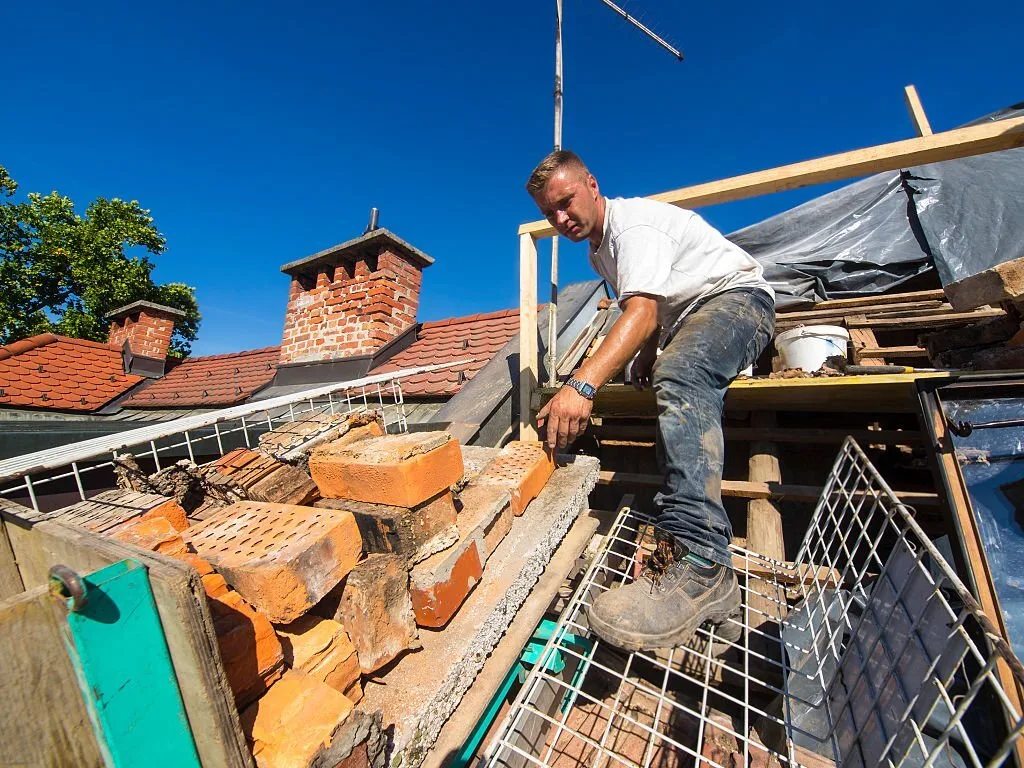
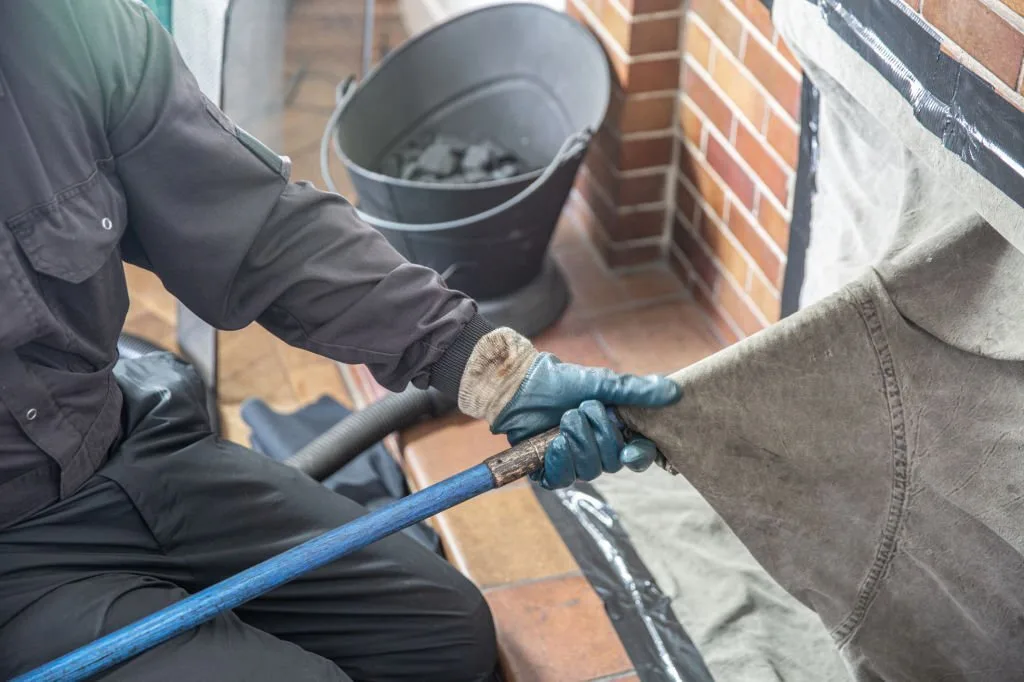
Chimney Chase Cover Repair in action
Stop the leak before it reaches the fireplace
Call 206-207-3974 or request a quote for chase cover repair anywhere in King, Pierce or Snohomish County, Sunday through Friday, 7am to 8pm.
☎ (206) 207-3974 Request ServiceQuestions
Chimney Chase Cover Repair FAQ
How do I know if the leak is the chase cover and not the roof or siding?
Chase cover leaks typically show up directly around the fireplace or as rust streaks starting right below the cover on the siding. Roof flashing leaks more often stain the ceiling or wall a short distance from the chase. Siding leaks tend to show on the chase walls lower down. We check all three during the inspection, so you are not paying to repair the wrong thing.
Can you just re-caulk the cover instead of replacing it?
Often, yes. If the metal is sound and the failure is in the sealant, fasteners or a low spot, resealing and re-fastening is a legitimate repair, not a patch. We only steer you to replacement when we find rust-through, severe sagging or a cover that was never fitted correctly.
What causes the middle of the cover to sag and hold water?
Many original builder-grade covers were flat sheet metal with no cross-bracing. Over years of rain, snow load and heat cycling, the center settles and forms a pan. We can add support underneath and restore pitch if the metal is still good; if the pan has rusted through, that is a replacement.
How long does a chase cover repair take?
Most reseal and re-fastening repairs are completed in a single visit. Ponding correction or rust treatment may take longer depending on the cover size and how much support is needed. We confirm the scope when we inspect.
Will the repair stop the rust streaks on my siding?
Repair stops the source of the rust-laden water. Existing stains on the siding may need cleaning separately. If the streaks are coming from a cover that is actively shedding rust, that usually means the metal is failing and we will discuss replacement instead.
Do you inspect the inside of the chase when you repair the cover?
We check what we can access from the firebox side and note the condition of the flue pipe and firestops. If we see signs of significant water damage inside the chase, we recommend a full inspection before the fireplace is used again.
Related services
Service areas
Helpful reading