Home › Services › Chimney Chase Cover Replacement
Chimney Chase Cover Replacement Seattle, WA
We remove rusted-through galvanized chase covers and replace them with custom-fabricated stainless steel or aluminum covers across Seattle, Tacoma and the Puget Sound.
- 25+ years in business
- CSIA certified
- Licensed, bonded & insured
Request Chimney Chase Cover Replacement
Tell us what's going on — we'll confirm a time by phone or text.
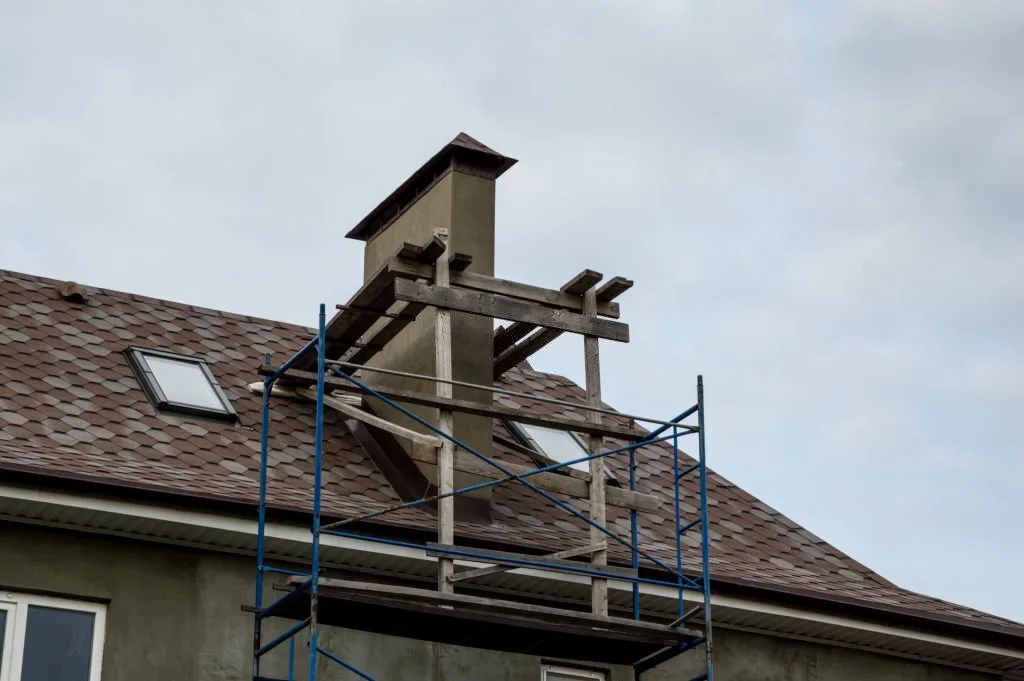
Chimney chase cover replacement is the removal of a failed metal chase cover, the flat pan that caps a framed, sided prefab chimney, and its replacement with a new custom-sized cover made from a metal that will not rust. Most of the covers we replace are the original galvanized steel pans that builders installed on Seattle-area homes from the 1970s through the early 2000s. Galvanized steel holds up for a while, then the zinc coating wears through, the pan rusts from the center outward, and water starts dripping onto the firebox and into the chase. It is the single most common leak source on a prefab chimney.
The clearest sign you need this page rather than a repair is rust: orange streaks running down the chase siding, a pan that flexes or has pinholes, or a cover that has visibly rotted around the flue collar. Our Chimney Chase Cover Repair page covers sealing a sound cover at a seam or collar; once the metal itself has rusted through, sealant is only a delay and replacement is the honest fix. Our Chimney Chase Cover Installation page is for chases that have no proper cover at all, such as a new chase or one where a plywood lid was all the builder left.
James Chimney Sweep has served King, Pierce and Snohomish counties for more than 25 years. We are CSIA certified and licensed, bonded and insured in Washington. Call 206-207-3974 to request a quote.
Symptoms & Problems
Signs your chase cover has rusted through
- Orange or brown rust streaks running down the chase siding below the cover
- Water dripping into the firebox or onto the fireplace hearth during rain
- A chase cover that sags or holds a puddle in the middle instead of shedding water
- Pinholes, flaking or a visibly rotted ring around the flue pipe collar
- Rust stains or water marks on the ceiling or wall beside the fireplace
- A musty or damp smell from the fireplace after a wet stretch
- Siding or trim on the chase that is soft, swollen or peeling near the top
- A cover that was patched with roofing tar or caulk and has started leaking again
How It Works
How we replace a chase cover
Inspect and measure
A technician examines the existing cover, the flue collar, the storm collar and cap, and the chase top framing beneath. We confirm the cover is beyond repair, look for water damage inside the chase, and take precise measurements of the chase dimensions, the flue pipe diameter and position, and the drip-edge overhang needed for your siding.
Fabricate and install the new cover
The new cover is fabricated to those measurements in stainless steel or aluminum, with a cross-break or slight crown so water sheds instead of pooling, a raised collar around the flue, and a drip edge that overhangs the siding. We remove the old cover, replace rotted top framing or sheathing if needed, set the new cover, and seal the collar with high-temperature sealant. A new storm collar and cap are installed where the old ones are worn.
Report and next steps
You receive photos of the old cover, the chase top before and after, and the finished installation. If we found damage below the cover, such as wet framing or damaged siding, we explain it and outline the follow-up work so you can decide how to proceed.
Options
Replacement material options
- Stainless steel chase cover — the standard recommendation in the Puget Sound. It resists rust for the life of the chimney, handles constant rain and salt air near the water, and stays rigid enough to hold its shape across a wide chase.
- Aluminum chase cover — lighter and often chosen when the cover will be painted to match trim or siding. It does not rust, though it is softer than stainless and better suited to smaller chases.
- Factory-painted or powder-coated finish — applies to either metal when you want the cover to blend with dark trim or a specific siding color rather than show bare metal.
- Multi-flue cover — when the chase houses more than one flue, such as a fireplace plus a gas insert or a furnace vent, the cover is fabricated with a collar for each penetration.
- Cover plus framing repair — when the old cover leaked long enough to rot the top plate or sheathing, the wood is replaced before the new cover is set so it has a solid, level base.
Pricing
What affects the price
- Chase dimensions and the overall size of the cover to be fabricated
- Material choice: stainless steel versus aluminum, and whether a painted finish is added
- Number and size of flue penetrations that need collars
- Condition of the chase top framing and sheathing under the old cover
- Whether the storm collar and chimney cap are replaced at the same time
- Chimney height and roof pitch, which affect access and setup time
- Drip-edge depth and any custom profile needed to clear thick siding or trim
We don't publish flat prices because every chimney is different. You'll get a written quote after we look at the system — no surprises.
Timing & Safety
When replacement is necessary versus optional
Replacement is the right call when:
- The galvanized pan has rusted through, shows pinholes, or flakes when touched.
- Rust streaks on the siding are getting longer or darker season after season.
- Water is reaching the firebox, the ceiling, or the inside of the chase.
- The cover was built flat with no crown and holds standing water after every rain.
- A previous tar or caulk patch has failed, which usually means the metal underneath is gone.
Repair may be enough when the metal is still sound and the leak is limited to an open seam, a loose flue collar, or a dried-out bead of sealant. That narrower scope is covered on our Chimney Chase Cover Repair page. Optional but worth considering: replacing a galvanized cover that is surface-rusted but not yet leaking, especially if you are already paying for siding or roof work on the same chase. Doing it before it fails avoids the interior water damage that turns a cover job into a chase repair job.
Safety considerations
Chase cover work happens at the top of the chimney, often on a steep, wet roof. Please do not climb up to inspect or patch a cover yourself; the rust streaks and firebox drips you can see from the ground and the hearth are enough to tell us something is wrong. If your chase also vents a gas fireplace or insert, we work around the gas appliance vent but do not alter gas lines or valves; those are only serviced by a qualified technician. If you ever smell gas, leave the house and call your gas utility or 911. A leaking chase cover can also soak the area around the fireplace's electrical and gas connections inside the chase, which is one more reason to replace a failed cover promptly. NFPA 211 recommends an annual chimney inspection, and the chase cover is one of the items a technician checks on a prefab system.
Seattle & Puget Sound conditions
Western Washington is hard on galvanized chase covers. Seattle, Tacoma and the rest of the Puget Sound see rain for much of the year, so a flat pan that holds even a thin sheet of water is wet for months at a time, and that constant moisture is what eats through the zinc coating. Homes near Puget Sound, Elliott Bay, Commencement Bay and the Sound-facing neighborhoods get salt-laden air on top of the rain, which speeds up corrosion. Moss and fir needles collect on flat covers and hold water against the metal even on dry days. Winter freeze-thaw cycles open up small pinholes into real leaks. Stainless steel handles all of this, which is why we recommend it as the default replacement for this region, and why we fabricate every cover with a crown so it sheds water instead of storing it.
Real Work
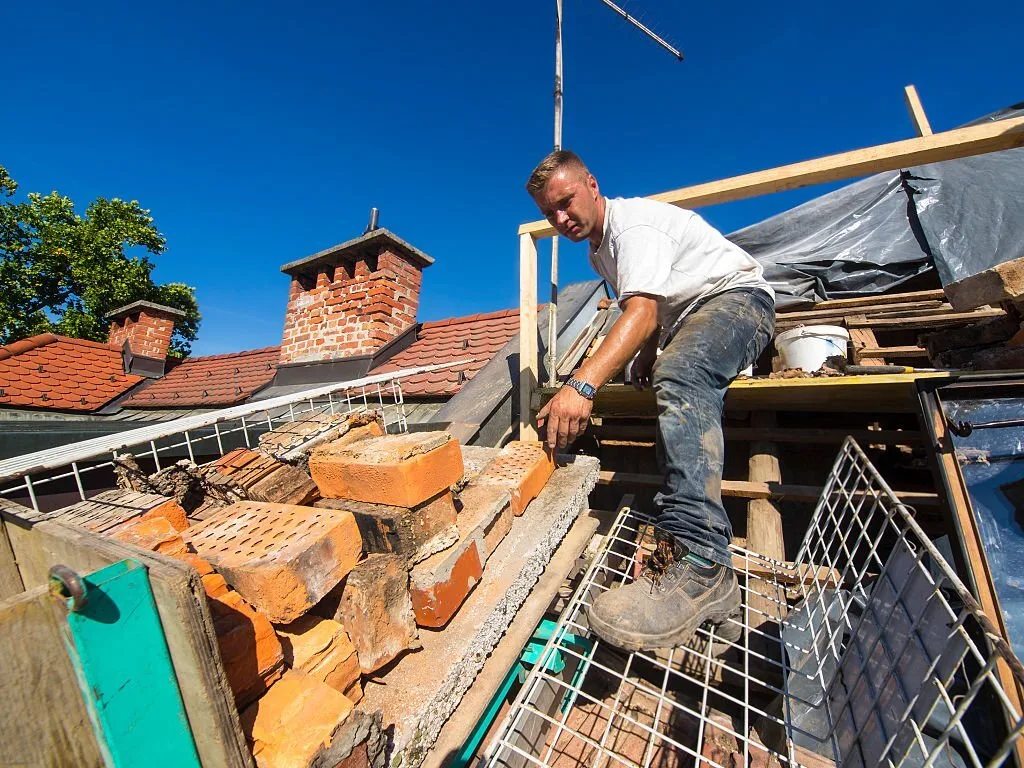
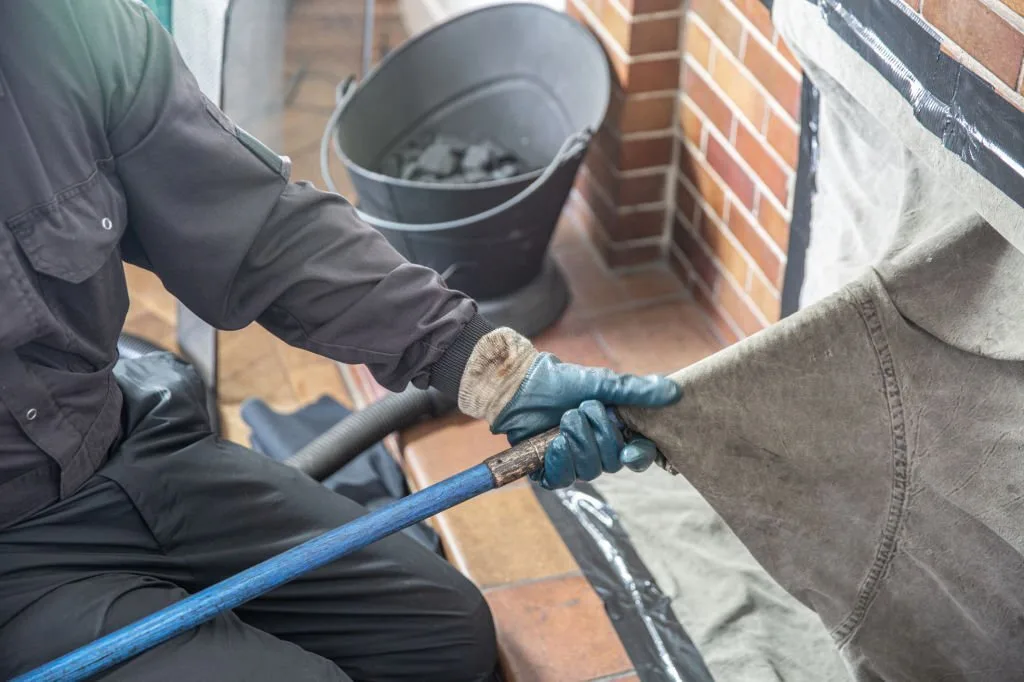
Chimney Chase Cover Replacement in action
Stop the rust streaks at the source
Call James Chimney Sweep at 206-207-3974 or request a quote online for a custom stainless or aluminum chase cover replacement anywhere in King, Pierce or Snohomish County.
☎ (206) 207-3974 Request ServiceQuestions
Chimney Chase Cover Replacement FAQ
How do I know if the rust streaks mean the cover needs replacing or just cleaning?
Rust streaks on the siding come from iron oxide washing off the cover, which means the galvanized coating has already failed somewhere on the pan. Cleaning the siding removes the stain, but the streaks return because the source is still rusting. Once a galvanized cover is shedding rust, it is usually within a few seasons of leaking if it has not started already, and replacement is the durable fix.
Can you just put a new cover over the old one?
We do not recommend it. Layering a new pan over a rusted one traps moisture between the two sheets, hides rot in the framing, and makes the flue collar harder to seal properly. We remove the old cover, check and repair the top of the chase, and set the new cover directly on sound framing.
Stainless or aluminum for a Seattle home?
Stainless steel is our default because it stays rigid across large chases, resists salt air and does not rust. Aluminum is a reasonable choice for smaller chases or when a painted finish is the priority. Either is a major upgrade over galvanized steel; the choice usually comes down to chase size, finish preference and budget.
Why is the cover custom-made instead of an off-the-shelf part?
Chases are framed on site, so their dimensions vary from house to house and flue positions are rarely centered. A cover that is even slightly small leaves a gap at the siding, and one that is forced to fit will not shed water correctly. Measuring your chase and fabricating to those numbers is what makes the cover leak-free.
Will you replace the chimney cap and storm collar at the same time?
Often, yes. The storm collar seals the joint where the flue pipe passes through the cover, and the cap keeps rain and animals out of the flue. If either is rusted or loose we recommend replacing them in the same visit, since the roof access and setup are already in place.
What if there is water damage under the old cover?
If the old cover leaked long enough, the top plate, sheathing or siding may be wet or rotted. Minor top-framing repair is usually handled as part of the cover replacement. More extensive damage to the chase walls or siding falls under our Chimney Chase Repair and Chimney Chase Siding Repair services, and we will show you photos and explain what is needed before any of that work proceeds.
Related services
Service areas
Helpful reading