
Home › Services › Chimney Chase Rebuild
Chimney Chase Rebuild Seattle, WA
Complete tear-down and rebuild of rotted wood-framed chimney chases for homes across Seattle, Tacoma, and King, Pierce and Snohomish counties.
- 25+ years in business
- CSIA certified
- Licensed, bonded & insured
Request Chimney Chase Rebuild
Tell us what's going on — we'll confirm a time by phone or text.
A chimney chase rebuild is the full reconstruction of a wood-framed chase: the boxed-in structure that surrounds a factory-built fireplace's metal vent pipe and carries it up through the roof. When the framing and sheathing inside that box have rotted, we demolish the chase down to sound structure, frame it new to the clearances the vent pipe requires, sheath it, wrap it, side it, and finish with a new chase cover and cap. It is the right service when the wood holding the chase up is no longer trustworthy.
Most Puget Sound homeowners with a leaking or soft chase do not need a rebuild. Our Chimney Chase Repair service handles localized rot, a few bad studs, or a damaged corner while the rest of the structure stays. A rebuild is for the cases where repair would mean replacing most of the framing anyway, or where the chase has shifted, racked, or let water into the wall below.
James Chimney Sweep has served Seattle-area homeowners for 25+ years. We are CSIA certified and licensed, bonded and insured in Washington, and we tell you plainly whether your chase needs a rebuild or something smaller.
Symptoms & Problems
Signs a chase may need a full rebuild, not a patch
- The chase leans, tilts, or has pulled away from the house wall
- Siding is soft or crumbling on two or more sides of the chase
- Sheathing has gone spongy or is missing behind the siding
- Water stains or mold on the ceiling or wall below the chase
- The chase cover sits on wood that will not hold a screw
- Sagging or bouncy chase top that flexes under the cover
- A previous siding or cover repair has failed within a few seasons
- Visible daylight or gaps between the chase and the roof or wall
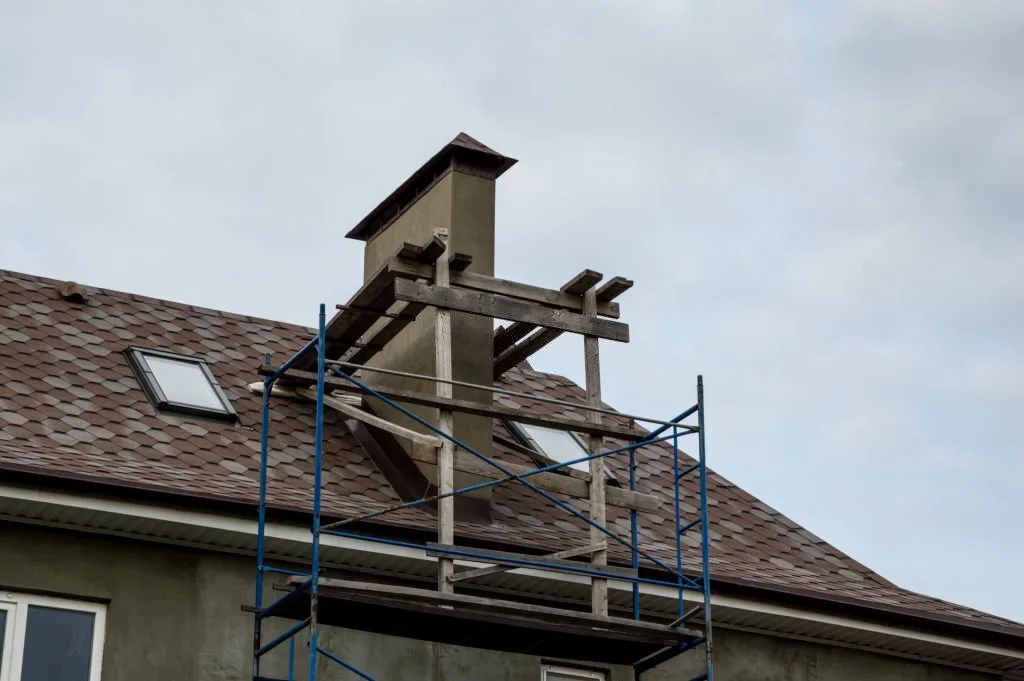
How It Works
How we rebuild a chimney chase
Inspect and confirm the rebuild is warranted
We open the chase, check the framing, sheathing, vent pipe, and the wall and roof connections, and document what is rotted versus sound. If a repair would honestly solve it, we say so and quote that instead.
Demolish and rebuild to clearances
We remove the cover, siding, sheathing, and rotted framing, protect the vent pipe, and frame a new chase that maintains the clearance the vent pipe manufacturer specifies. New sheathing, housewrap, flashing at the wall and roof, and siding to match the house follow.
Cover, cap, and report
We finish with a new chase cover with a proper drip edge and storm collar, install the cap, check the vent pipe sections and firestop, and give you a written summary with photos of the before, the framing stage, and the finished chase.
Options
Rebuild options we discuss with you
- Full rebuild from the roof deck or wall up — when framing is rotted on most sides and the chase base is still sound.
- Rebuild including the chase base and wall tie-in — when water has traveled into the framing or sheathing of the house wall the chase attaches to.
- Rebuild with vent pipe section replacement — when the pipe, firestop spacer, or storm collar has corroded and should be replaced while everything is open.
- Siding match or siding upgrade — rebuild with siding that matches the house, or switch the chase to a fiber-cement or metal finish that stands up better to rain.
- Chase rebuild with fireplace replacement — when the factory-built fireplace is also at end of life and a new unit requires a different chase size.
Pricing
What affects the price
- Chase height and how many stories it runs up the wall
- How much of the framing, sheathing, and wall tie-in has rotted
- Siding type needed to match the rest of the house
- Whether vent pipe sections, firestops, or the storm collar also need replacement
- Roof pitch, access, and staging or scaffolding needs
- Chase cover material and size, and whether a custom cap is needed
- Permit and inspection requirements in your city or county
We don't publish flat prices because every chimney is different. You'll get a written quote after we look at the system — no surprises.
Timing & Safety
When a rebuild is necessary versus optional
A rebuild is usually necessary when:
- Framing is rotted on more than one side or at the corners that carry the structure.
- The chase has moved, racked, or separated from the house.
- Rot has reached the house wall or the roof framing around the chase.
- The vent pipe no longer has the required clearance because the framing has shifted or been patched incorrectly.
A smaller job is usually enough when:
- Only the cover is rusted or leaking — that is Chimney Chase Cover Repair or Chimney Chase Cover Replacement.
- Siding is damaged on one side but the sheathing and framing behind it are dry and solid — that is Chimney Chase Siding Repair.
- One or two studs or a single corner are soft and the rest of the chase is sound — that is Chimney Chase Repair.
If you are not sure which you need, that is exactly what the inspection is for. We would rather quote a repair than sell a rebuild that is not needed.
Safety considerations
A wood-framed chase exists to keep combustible material a safe distance from a hot vent pipe. When framing rots, shifts, or has been patched by someone who did not know the clearance rules, that distance can close. NFPA 211 recommends regular inspection of venting systems and the structures around them, and a chase that has lost its structure is a real fire and carbon monoxide concern, not just a cosmetic one.
- Do not climb onto the roof to inspect a chase yourself. Chase tops on Puget Sound homes are often slick with moss and algae.
- Do not use the fireplace if the chase is leaning, if you see daylight around the vent pipe, or if there is an odor of smoke in rooms where it should not be.
- If your fireplace is gas and you ever smell gas, leave the house and call the gas utility or 911. Gas lines and valves are only serviced by a qualified technician.
- During a rebuild, the fireplace is out of service until the vent pipe and firestops are reinstalled and checked.
Seattle & Puget Sound conditions
Wood-framed chases fail faster in the Puget Sound than almost anywhere else, and it is usually water, not age, that kills them. Months of sideways rain find any gap at the cover, the siding joints, or the wall flashing. Once sheathing gets wet in October, it often does not fully dry until July, so rot spreads through a full season instead of stopping. Moss on the roof holds moisture against the chase base, and the freeze-thaw cycles we get in the foothills and around Snohomish County open small cracks in siding and caulk a little more each winter. Homes near the water, from West Seattle to Tacoma's waterfront, add salt air that corrodes chase covers and storm collars, which then leak onto the framing below. A chase rebuild here should be done with rain in mind: proper housewrap lapping, kick-out and step flashing at the wall, a cover with a real drip edge, and siding that is not the cheapest option on the shelf.
Real Work
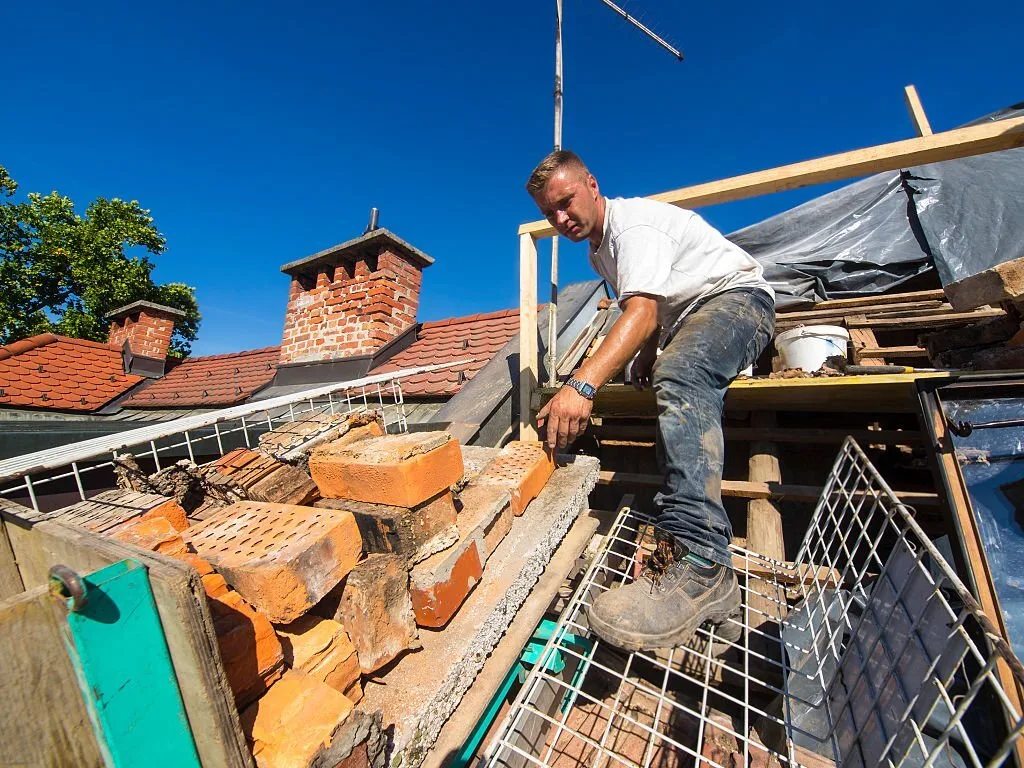
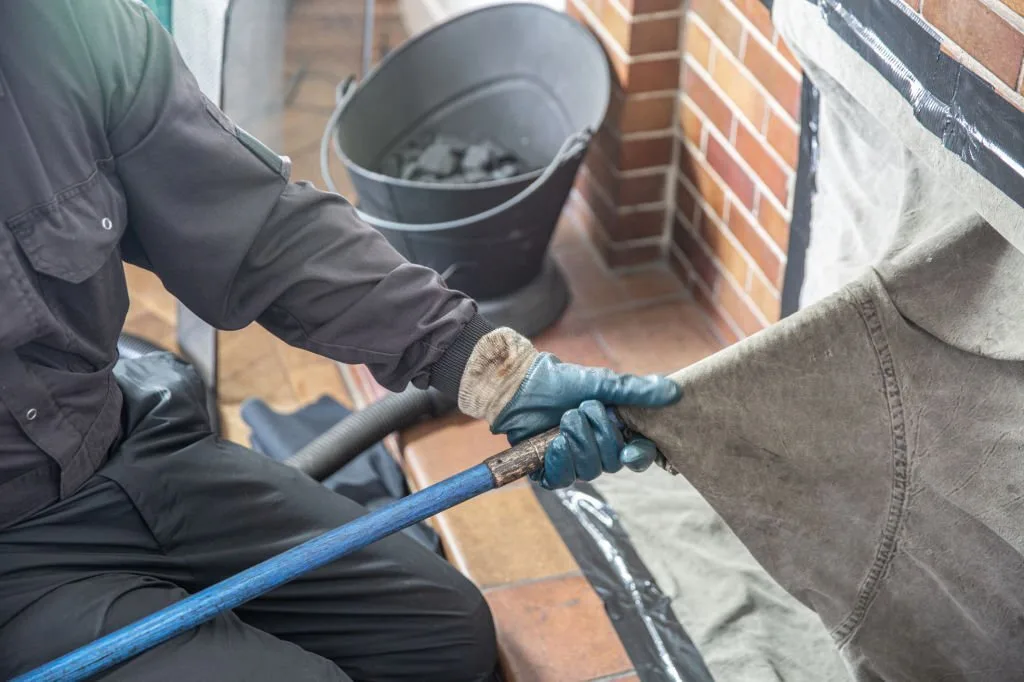
Chimney Chase Rebuild in action
Think your chase is past the point of patching?
Call 206-207-3974 to request a quote and an honest answer on whether your chase needs a rebuild or a repair.
☎ (206) 207-3974 Request ServiceQuestions
Chimney Chase Rebuild FAQ
How do I know if I need a chase rebuild or just a chase repair?
It comes down to how much of the structure is rotted. If the damage is limited to one area and the rest of the framing is dry and solid, a repair makes sense. If framing is soft on multiple sides, the chase has shifted, or rot has moved into the house wall, replacing pieces one at a time costs more over time than rebuilding once. We open the chase and show you what we find before recommending either.
Can the fireplace still be used during the rebuild?
No. The vent pipe is disconnected and protected while the chase is down, and the firestops are reinstalled as the new framing goes up. We check the full venting path before the fireplace goes back into service.
Will the new chase match the rest of my house?
That is the goal. We match the existing siding profile and paint or finish where possible. On older homes where the original siding is no longer available, we will show you the closest options and explain the trade-offs in durability.
Do I need a permit for a chimney chase rebuild in Seattle?
Requirements vary by city and county, and structural work around a vent pipe is often something the building department wants to see. We tell you during the quote whether a permit applies to your address and handle the paperwork if it does.
Does the vent pipe get replaced during a rebuild?
Not always. If the pipe sections, firestop spacers, and storm collar are in good shape, they are reused. If they are corroded or undersized, the rebuild is the best time to replace them because everything is already open.
How long does a chase rebuild take?
It depends on height, how far the rot has spread, weather, and whether a permit inspection is required between stages. We give you a realistic schedule with the quote and keep the opening covered and weather-tight at the end of every work day.
Related services
Service areas
Helpful reading