
Home › Services › Chimney Chase Siding Repair
Chimney Chase Siding Repair Seattle, WA
Rotted, soft or peeling siding on a framed chimney chase replaced and properly flashed for homes across Seattle, Tacoma and the Puget Sound.
- 25+ years in business
- CSIA certified
- Licensed, bonded & insured
Request Chimney Chase Siding Repair
Tell us what's going on — we'll confirm a time by phone or text.
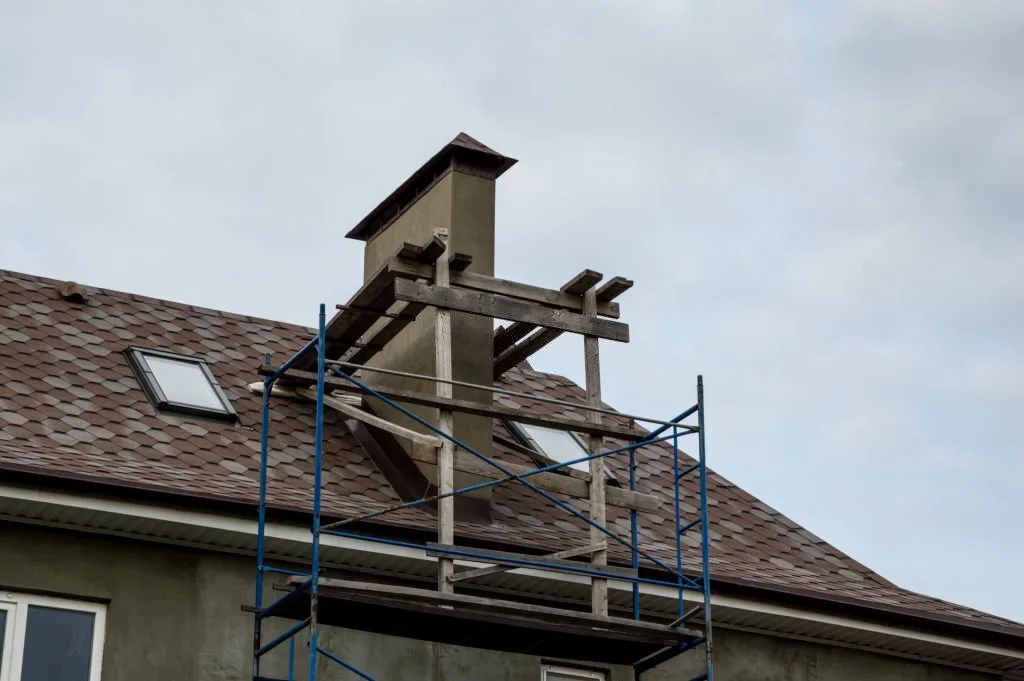
Chimney chase siding repair is the removal and replacement of rotted or water-damaged siding on a framed chimney chase, the boxed-in wood structure that wraps a factory-built fireplace flue on the outside of a house. It is the single most common chase failure we see in the Puget Sound. Water gets in at the top, runs down inside the wall, and the siding goes soft from the back before anyone notices the paint bubbling on the front.
This page is about siding: matching the new material to the rest of the house, installing the flashing and water-resistive barrier behind it correctly, and fixing the water source above so the rot does not simply return. If your problem is the metal cover on top of the chase, that is covered under chimney chase cover repair and chimney chase cover replacement. If the framing itself has failed and the structure needs to come apart, that is a chimney chase rebuild. Siding repair sits in between: the bones are sound, the skin is not.
James Chimney Sweep has served King, Pierce and Snohomish counties for more than 25 years. We are CSIA certified and licensed, bonded and insured in Washington.
Symptoms & Problems
Signs your chase siding is failing
- Paint bubbling, peeling or chalking on one face of the chase, usually the weather side
- Siding that feels soft, spongy or crumbly when pressed
- Dark staining or streaks running down from the top corners of the chase
- Gaps opening at siding joints, corner trim or where the chase meets the roof
- Moss, algae or black mildew growing on the siding surface
- A musty smell near the fireplace or in the room behind the chase
- Water stains on the ceiling or drywall beside the fireplace
- Carpenter ants or other insects trailing along the chase
How It Works
How we repair chase siding
Inspect the chase and find the water source
We examine the siding, trim, flashing and the chase cover from the ground and from the roofline, probe suspect areas to find how far the rot runs, and check inside the chase where access allows. Most chase siding damage starts above the siding, so we identify exactly where the water is getting in before we touch a board.
Remove, dry in and re-side
Damaged siding and trim come off. We check the sheathing and framing underneath and replace sections of sheathing that have gone soft. The chase is wrapped with a new water-resistive barrier, flashed at the roof step, kick-out and corners, and re-sided with material matched as closely as possible to the existing house. Joints are sealed and the surface is primed and ready for paint.
Fix the top, then report
If the cover or cap is the reason the siding failed, we address it in the same visit where practical so the new siding is protected from day one. You receive photos of what we found, what we replaced and anything we recommend watching, with clear next steps if a larger repair is needed.
Options
Repair options
- Spot siding replacement — when rot is confined to one face or a few courses near the top or bottom and the rest of the siding is sound. Matched boards or panels are let in and the area is reflashed and sealed.
- Full chase re-side — when damage is spread across more than one face, the siding is an obsolete product that cannot be matched, or the original installation has no proper barrier behind it. The chase gets new barrier, flashing, siding and trim all around.
- Sheathing and trim replacement — added to either option when the plywood or OSB under the siding has delaminated or the corner boards and frieze trim have rotted. Framing stays in place.
- Siding repair with cover correction — when the chase cover or cap is the source of the leak. Siding is repaired and the cover is repaired or replaced together, which is the only way to make the siding repair last.
- Referral to chase rebuild — when probing shows the studs, plates or the platform under the cover have rotted through. At that point siding alone will not solve it, and we will tell you so rather than side over a failing structure.
Pricing
What affects the price
- How much of the chase is affected: one face versus all four, and how high the damage runs
- Siding type and how hard it is to match (cedar lap, fiber cement, T1-11, vinyl, stucco accents)
- Whether sheathing, corner trim or frieze boards also need replacement
- Height of the chase and how it is accessed (ladder, staging, roof pitch)
- Condition of the chase cover and whether it is repaired or replaced in the same visit
- Flashing complexity where the chase meets the roof, including kick-out and step flashing
- Painting or finishing of the new siding, if you want it done rather than handled by your painter
We don't publish flat prices because every chimney is different. You'll get a written quote after we look at the system — no surprises.
Timing & Safety
When siding repair is necessary, and when it can wait
Necessary now:
- Siding is soft enough to dent with a thumb or is visibly rotted at the corners or bottom edge
- Water stains are showing inside the house near the fireplace
- Daylight or open gaps are visible at the joints or where siding meets trim
- Insects are active in the chase, which almost always means wet wood
Can usually be scheduled, not rushed:
- Paint is failing but the siding underneath is still firm when probed
- Moss or algae is growing on the surface with no soft spots behind it
- Caulk joints have opened but the flashing behind them is intact
The honest rule is that siding damage is a symptom. If the chase cover or the flashing above is still letting water in, waiting turns a siding job into a sheathing job, and eventually into a chimney chase rebuild. Catching it at the siding stage is the cheapest point in that chain.
Safety considerations
A chimney chase is the wall around your flue, so wet rot here is not just cosmetic. Water that rots siding also reaches the metal flue pipe, the firestop at the ceiling and the framing the fireplace is fastened to. Rusted flue sections and saturated framing next to a heat source are a real fire and carbon monoxide concern, which is why we inspect the flue and firestops when the chase is opened up.
- Do not climb on the roof to inspect or patch the chase yourself. Leave roof and ladder work to us.
- Do not side over soft sheathing or fill rot with foam and caulk. It traps water against the framing and hides the problem.
- If the fireplace is gas: if you ever smell gas, leave the house and call your gas utility or 911. Gas lines and valves are only serviced by a qualified technician, and we keep the appliance isolated while work is done around it.
- NFPA 211 recommends an annual chimney inspection. A chase with visible siding damage is a good reason not to skip it this year.
Seattle & Puget Sound conditions
Puget Sound weather is hard on chimney chases in a specific way. Our rain is not heavy, it is constant, and it arrives sideways on the south and west faces for months at a time. A chase sticks up above the roofline with no overhang to shelter it, so a small flaw at the cover, the corner trim or the roof flashing feeds water behind the siding week after week. Cedar and composite siding that stays damp from October through May grows moss and algae, which hold even more moisture against the wood. Freeze-thaw nights in the foothills and the eastern suburbs pop paint and open joints. Closer to the water, in West Seattle, Tacoma and the island communities, salt air corrodes galvanized nails and flashing faster than inland, and rust streaks on the siding are often the first visible clue. Because of all this, we always re-side with a proper water-resistive barrier and kick-out flashing even if the original builder skipped them, and we recommend checking the chase each fall before the rain sets in.
Real Work
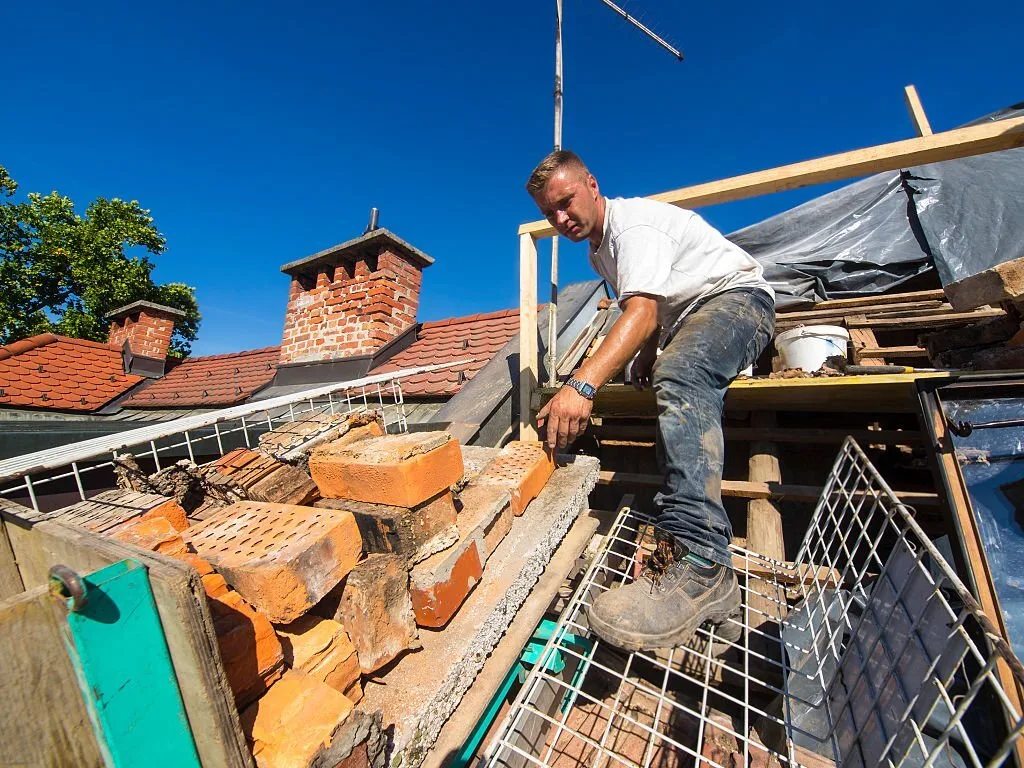
Chimney Chase Siding Repair in action
Soft or peeling siding on your chimney chase? Stop the leak before it reaches the framing.
Call 206-207-3974 or request a quote online, and we will inspect the siding, flashing and cover together and show you exactly what is letting the water in.
☎ (206) 207-3974 Request ServiceQuestions
Chimney Chase Siding Repair FAQ
Why is the siding on my chimney chase rotting when the rest of the house is fine?
The chase is the most exposed piece of the house. It rises above the roof with no eave to protect it, and it has a flat metal top that collects water. Any gap at the cover, cap, corner or roof flashing sends water straight down inside the wall, and siding rots from the back long before the front looks bad.
Can you match my existing siding?
Usually, yes. Cedar lap, fiber cement, T1-11 and most modern profiles are readily matched or closely approximated. Older or discontinued products can be harder. When an exact match is not possible, we will show you the closest options and talk through whether a full chase re-side gives a cleaner result than a visible patch.
Do I need a new chase cover too, or just siding?
It depends on what is letting the water in. If the cover is rusted, ponding or has failed seams, repairing siding without fixing the cover means the new siding rots the same way. We inspect the cover on every siding job and tell you plainly whether it needs repair or replacement.
How do you know if the framing under the siding is still good?
We probe the sheathing and studs once the siding is off and check inside the chase where there is access. Firm wood that dries out is fine to re-side. Studs or plates that crumble or have lost section mean the job has moved into chimney chase rebuild territory, and we will stop and discuss that with you before going further.
Will the repair leave the chase ready for paint?
Yes. New siding and trim are primed and sealed at the joints. You can have your painter finish it, or ask us about finishing it to match when you request a quote.
What time of year is best for chase siding repair in Seattle?
Dry spells from late spring through early fall are ideal because the sheathing can dry before it is closed back up. That said, an active leak should not wait for summer. We can tarp and dry in a chase during the wet season and complete the finish work when conditions allow.
Related services
Service areas
Helpful reading