
Home › Services › Chimney Deep Cleaning
Chimney Deep Cleaning Seattle, WA
Multi-pass, top-to-firebox cleaning for heavily built-up or long-neglected chimneys across Seattle, Tacoma and the Puget Sound.
- 25+ years in business
- CSIA certified
- Licensed, bonded & insured
Request Chimney Deep Cleaning
Tell us what's going on — we'll confirm a time by phone or text.
Chimney deep cleaning is what a chimney needs when a routine sweep is no longer enough. It is the heavy-buildup case: a flue that has not been serviced in many years, a fireplace that was burned hard every winter without a cleaning, a wood stove whose connector pipe is packed with soot, or a chimney in a house you just bought with no record of care. Instead of one pass with a brush, we work the whole system in multiple passes, from the flue liner down through the smoke shelf, smoke chamber, damper, firebox and any connector pipe, until the surfaces are actually clean rather than just knocked loose.
If your chimney is swept every year or two and only carries light, powdery soot, our standard Chimney Sweep service is the right fit and costs less time. Deep cleaning is for the chimney that has skipped that schedule. It is also different from Chimney Creosote Removal, which targets hardened, glazed third-stage creosote using specialized treatment; deep cleaning handles the broad, thick, often mixed accumulation that builds up when everything has been left alone for years. Many neglected chimneys need both, and we will tell you honestly which one yours needs after we look.
James Chimney Sweep has served King, Pierce and Snohomish counties for more than 25 years. Our technicians are CSIA certified, and the company is licensed, bonded and insured in Washington.
Symptoms & Problems
Signs your chimney needs a deep cleaning, not a routine sweep
- The chimney has not been cleaned in five or more years, or you simply do not know when it was last serviced
- Thick black flakes, chunks or a crusty shell are visible on the damper, smoke shelf or upper firebox
- A strong smoky or campfire odor fills the room even when no fire is burning, especially on damp days
- Smoke spills back into the house when you light a fire, or the fire is sluggish and hard to keep going
- Soot has built up on the firebox walls in a layer you can scrape with a fingernail
- Debris, soot or fallen creosote has collected on the smoke shelf behind the damper
- A wood stove connector pipe that rattles with loose soot or shows buildup at the joints
- You are reopening a fireplace in a home that sat vacant or used the fireplace only decoratively for years
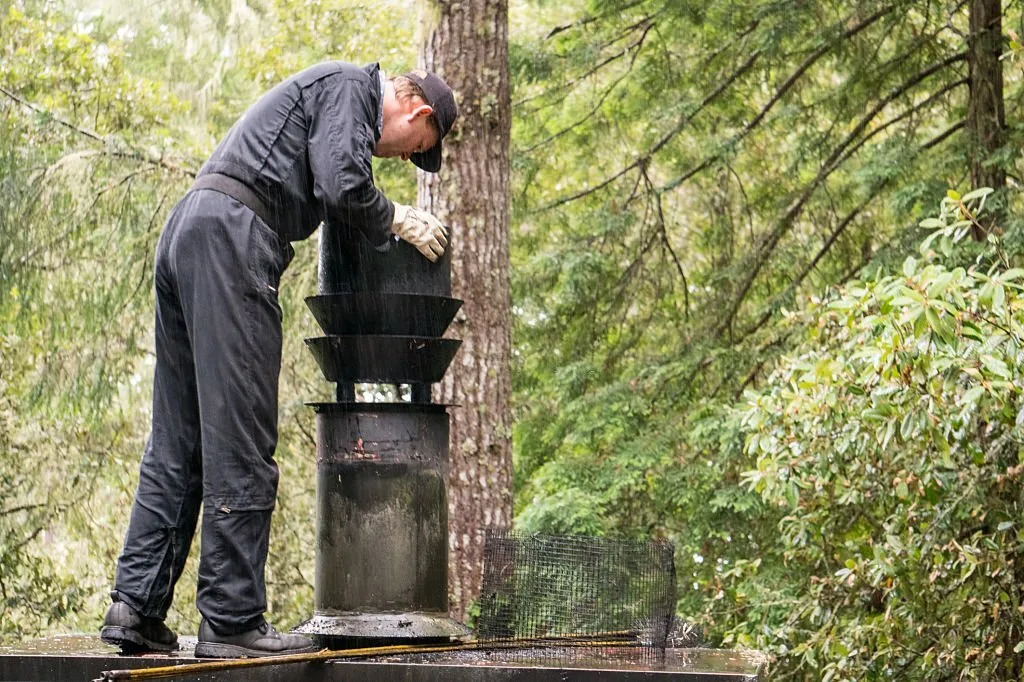
How It Works
How a chimney deep cleaning works
Inspect and map the buildup
We start with a visual inspection of the firebox, damper, smoke shelf, smoke chamber and flue, using a camera where the flue cannot be seen directly. This tells us how thick the deposits are, whether any of it has glazed, whether there are blockages such as nests or debris, and whether the liner and masonry show damage that cleaning alone will not fix. We explain what we find before any work starts.
Clean in multiple passes, top to bottom
With the fireplace opening sealed and HEPA vacuum capture running, we work the flue with rods and brushes sized to the liner, repeating passes until the brush comes back clean. We then clean the smoke chamber and smoke shelf, which are the areas a quick sweep most often skips, remove and clean the damper plate where it is designed to come out, scrub the firebox, and disassemble and clean any stove connector pipe. Heavy deposits may call for rotary tools or specialized brushes; a glazed layer that resists brushing is flagged for Chimney Creosote Removal.
Re-inspect and report
Once the system is clean we look again. Deposits often hide cracks, missing mortar, a damaged damper or a deteriorated smoke chamber, and those only show up after the cleaning. You receive a plain-language report with photos, a note on anything we found that needs repair, and a realistic burning and maintenance schedule so the chimney does not slide back into this condition.
Options
Deep cleaning options for different chimneys
- Masonry fireplace deep clean — for brick or block chimneys with an open fireplace; covers flue, smoke chamber, smoke shelf, damper and firebox.
- Wood stove or insert deep clean — for freestanding stoves and fireplace inserts, including disassembly and cleaning of the connector pipe and, where needed, pulling the insert to reach the chimney behind it.
- Factory-built (prefab) chimney deep clean — for metal chimney systems, using brushes matched to the pipe so the liner is cleaned without being scored.
- Deep clean plus creosote treatment — when inspection shows glazed deposits the brush cannot remove, we combine deep cleaning with a creosote removal treatment rather than leaving the job half done.
- Reopening a dormant chimney — for fireplaces unused for years; pairs the deep clean with a thorough inspection, checks for animal nests or debris, and confirms the damper and flue are serviceable before the first fire.
Pricing
What affects the price
- Thickness and type of buildup, and how many passes it takes to reach clean metal or masonry
- Whether deposits have glazed and need creosote treatment in addition to brushing
- Type of system: open masonry fireplace, wood stove with connector pipe, insert that must be pulled, or factory-built chimney
- Height of the chimney and number of flues being cleaned
- Condition of the smoke chamber and smoke shelf and how much debris has collected there
- Access: a clean-out door, interior-only access, or a tall or steep roof
- Any blockages, nests or fallen masonry that must be cleared before cleaning can proceed
We don't publish flat prices because every chimney is different. You'll get a written quote after we look at the system — no surprises.
Timing & Safety
When a deep cleaning is necessary, and when a sweep will do
A deep cleaning is the right call when:
- The chimney has gone years without service, or its history is unknown
- Visible deposits are thick, flaky, crusty or layered rather than a light dusting of soot
- You burn a lot of wood each winter, especially softwood or wood that was not fully seasoned
- You are bringing a dormant fireplace or stove back into use
- A previous sweep reported buildup in the smoke chamber that was not fully addressed
- A home inspection or insurance request calls for the chimney to be brought up to a clean, inspectable condition
A routine Chimney Sweep is usually enough when:
- The chimney was cleaned within the last year or two
- Buildup is light and powdery and brushes off in a single pass
- You burn seasoned hardwood in moderate amounts
NFPA 211 recommends that chimneys, fireplaces and vents be inspected at least once a year and cleaned as needed. A deep cleaning resets a neglected chimney so that future maintenance can return to that routine schedule.
Safety considerations
Heavy buildup is not only a mess; it is fuel. Thick deposits in a flue or smoke chamber can ignite and burn at very high temperatures, which is how chimney fires start, and a chimney that has not been cleaned in years is exactly where that risk is highest. Partial blockages also push smoke and carbon monoxide back into the living space.
- Do not light a fire in a chimney that has been dormant for years until it has been inspected and cleaned.
- If you ever hear a loud roaring or rumbling from the chimney, see flames or dense smoke from the top, or the flue pipe glows, get everyone out and call 911.
- Install and test smoke and carbon monoxide alarms on every level, especially near sleeping areas.
- Leave ladder and roof work to us; our technicians are trained and insured for it.
- If your chimney also serves a gas appliance and you ever smell gas, leave the house and call your gas utility or 911. Gas lines and valves are only serviced by a qualified technician.
We contain the work area with drop cloths, seal the fireplace opening and run HEPA-filtered vacuums throughout, so a deep cleaning does not mean a soot-covered living room.
Seattle & Puget Sound conditions
Western Washington creates neglected chimneys in a particular way. Our long, damp heating season means many households burn from October into April, and a wet winter makes it tempting to burn wood that never fully seasoned, which leaves far more residue per fire. Rain and marine air keep flue surfaces damp, so soot and creosote absorb moisture, swell, and bond to the liner, which is why Puget Sound chimneys so often carry a sour, smoky odor in the house through summer. Moss and debris from the surrounding evergreens work into uncapped flues and land on the smoke shelf, adding to what has already accumulated. Freeze-thaw cycles in the colder stretches widen any cracks hidden under those deposits, and near Puget Sound and Elliott Bay, salt air accelerates corrosion of metal dampers and connector pipes buried under soot. Deep cleaning strips this layer away so the real condition of your chimney can be seen and the masonry can dry out and breathe again.
Real Work
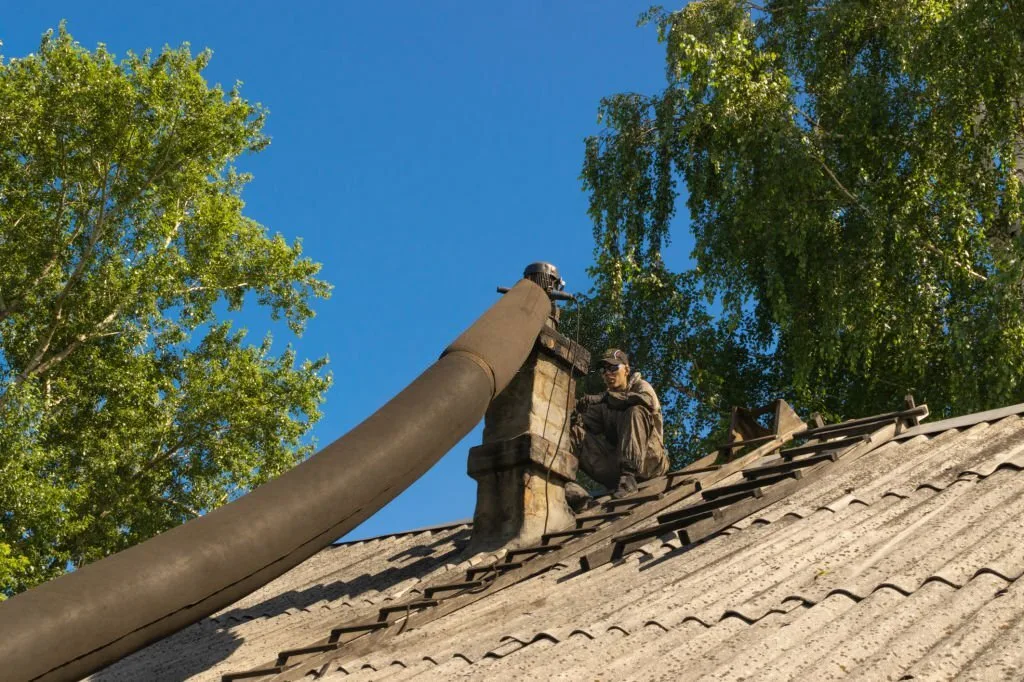
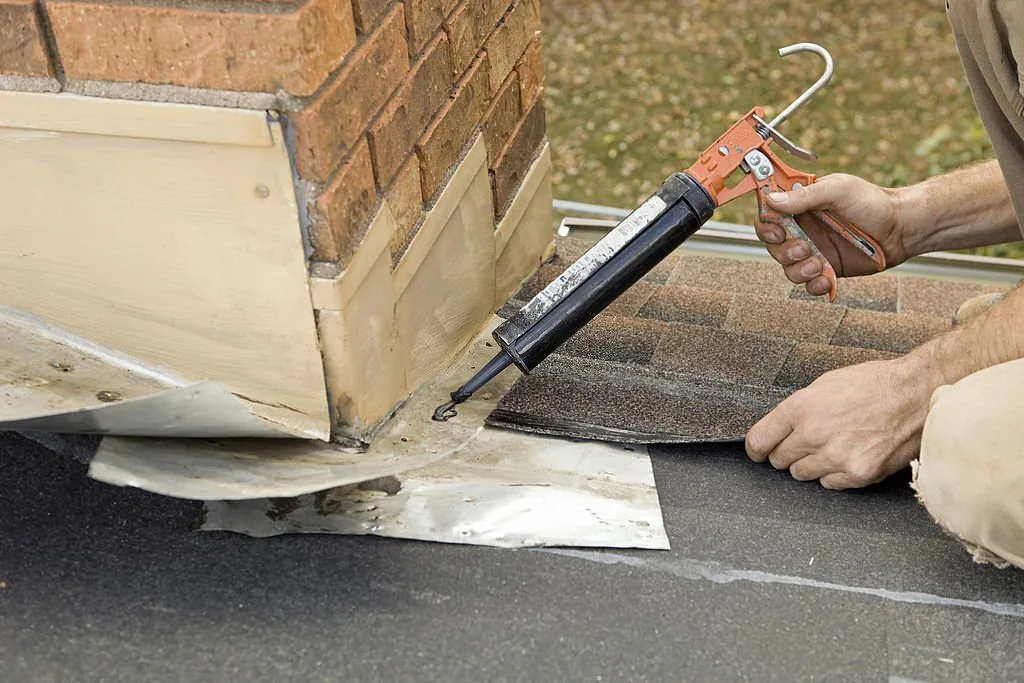
Chimney Deep Cleaning in action
Give a neglected chimney a fresh start
Call 206-207-3974 or request a quote, and we will inspect, deep clean and report on your chimney's real condition, anywhere in King, Pierce or Snohomish County.
☎ (206) 207-3974 Request ServiceQuestions
Chimney Deep Cleaning FAQ
How is a chimney deep cleaning different from a regular chimney sweep?
A routine sweep is a single pass through the flue to remove light soot from a chimney that is maintained regularly. A deep cleaning is for heavy or long-neglected buildup and works every part of the system in repeated passes: flue, smoke chamber, smoke shelf, damper, firebox and connector pipe. It takes longer and uses more aggressive tools, and it ends with a re-inspection because deposits often conceal damage.
My fireplace has not been used in ten years. Do I need a deep cleaning before lighting a fire?
We recommend an inspection first, and in most cases a deep cleaning follows. A dormant chimney usually holds old soot from its last years of use plus whatever has fallen in since, including moss, leaves, nesting material and sometimes loose mortar. We also check that the damper moves freely and the flue is sound before you light your first fire.
Can deep cleaning remove glazed, shiny creosote?
Brushing alone usually cannot. Glazed third-stage creosote is hard and bonded to the flue. If we find it during the inspection, we combine the deep cleaning with our Chimney Creosote Removal treatment, which softens the glaze so it can be removed. We will tell you which situation you have before the work begins.
Will deep cleaning make a mess in my house?
No. We lay drop cloths, seal the fireplace opening and run HEPA-filtered vacuums the entire time, which matters even more on a deep cleaning because the volume of debris is much higher than on a routine sweep. The firebox and hearth are left clean when we finish.
How long does a chimney deep cleaning take?
Longer than a routine sweep. The time depends on how thick the buildup is, whether an insert or stove pipe must be disassembled, and whether creosote treatment is needed. We will give you a realistic estimate after the initial inspection rather than guessing over the phone.
Does deep cleaning fix smoke coming back into the room?
Often it helps, because heavy deposits narrow the flue and restrict draft. If smoke spillage continues after a thorough cleaning, the cause is usually something else, such as a damaged smoke chamber, an undersized flue, a missing cap, or house pressure issues. The post-cleaning inspection is where we identify that, and we explain the next steps clearly.
Related services
Service areas
Helpful reading