
Home › Services › Chimney Flashing Repair
Chimney Flashing Repair Seattle, WA
Step and counter flashing sealed, resealed, or replaced where your chimney meets the roof, for homes across King, Pierce and Snohomish counties.
- 25+ years in business
- CSIA certified
- Licensed, bonded & insured
Request Chimney Flashing Repair
Tell us what's going on — we'll confirm a time by phone or text.
Chimney flashing is the layered metal that bridges the joint where your chimney passes through the roof. It is the most common place a chimney leaks, and in the Seattle area it spends eight or nine months a year under steady rain. Chimney flashing repair means diagnosing exactly where water is getting past that joint, then resealing, reshaping, or replacing the step flashing and counter flashing so the roof and the chimney shed water together again. If you have a water stain on the ceiling near the chimney, damp drywall beside the fireplace, or rust streaks on the roof below the chimney, this is usually the service you need.
James Chimney Sweep repairs flashing on brick, block, and stucco-clad chimneys across King, Pierce and Snohomish counties along the I-5 corridor, from DuPont up to Mount Vernon. We handle the chimney side of the joint, and we are honest about when a problem actually belongs to a roofer instead.
Because flashing failures often show up only after a long wet stretch, the sooner the joint is inspected the less water ends up in the framing, insulation, and finishes below it.
Symptoms & Problems
Signs Your Chimney Flashing Is Leaking
- Brown or yellow ceiling stain near the chimney that grows after heavy rain
- Damp, bubbling, or peeling paint on the wall beside the fireplace
- Water dripping into the firebox or pooling on the smoke shelf
- Rust streaks or orange staining on the roof below the chimney
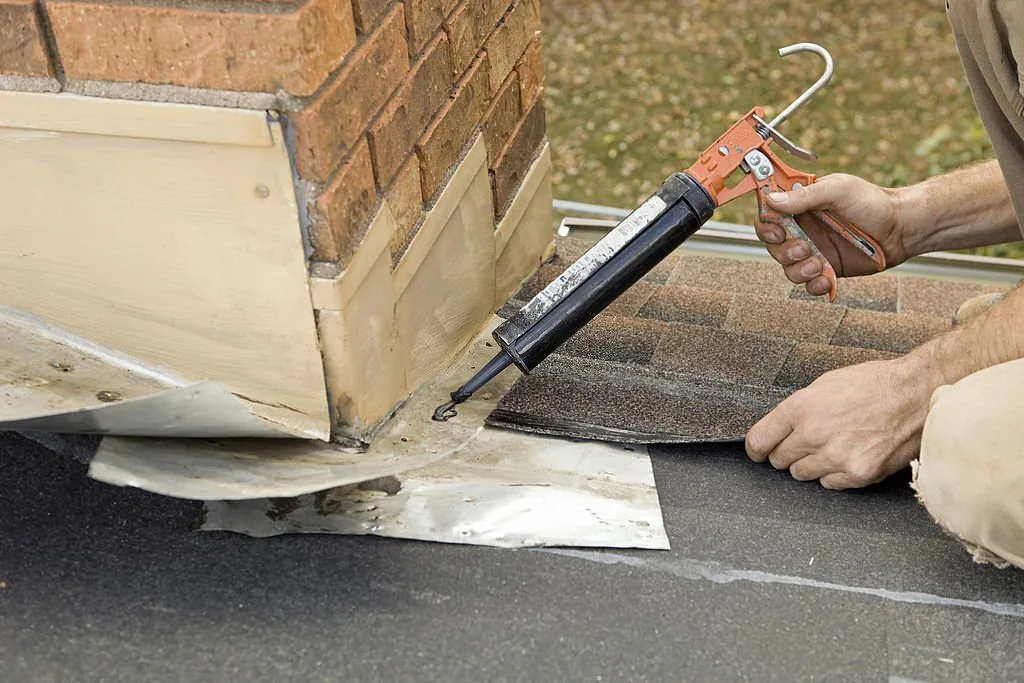
- Visible gaps, lifted edges, or missing pieces of metal at the chimney base
- Cracked, dried-out, or peeling roofing tar smeared around the chimney
- Musty attic smell or wet insulation next to the chimney chase
- Moss or debris packed into the joint where the roof meets the chimney
How It Works
How We Repair Chimney Flashing
Inspect the joint and trace the leak
A technician examines the step flashing, counter flashing, mortar joints, crown, and roofing around the chimney from the roof and, when possible, from the attic, so the repair targets the actual entry point rather than the stain location.
Reseal, reset, or re-flash
Minor failures are cleaned and resealed with appropriate sealant; loose counter flashing is re-cut into the mortar joint and reset; badly corroded or improperly built flashing is removed and replaced with new step and counter flashing layered correctly with the roofing.
Report and next steps
You receive a plain-language summary with photos of what was found and what was done, plus clear notes if any part of the problem sits with the roofing itself or with the chimney masonry so you know exactly who to call next.
Options
Flashing Repair Options
- Reseal and tune-up — when the metal is sound but sealant has dried, cracked, or pulled away, or a few nail heads and seams have opened up.
- Counter flashing reset — when the top piece has lifted out of the mortar joint or was only surface-glued; the joint is re-cut, the metal reset, and the reglet sealed.
- Partial re-flash — when one side (often the uphill side or a corner) is corroded or was built wrong while the rest remains serviceable.
- Full re-flash with new step and counter flashing — when the metal is rusted through, the original installation was tar-only with no counter flashing, or multiple sides are failing at once.
- Cricket or saddle added — when a wide chimney on the downhill side of a slope traps water and debris; a small peaked diverter behind the chimney moves water around it.
Pricing
What affects the price
- Whether the fix is a reseal, a partial repair, or a complete re-flash
- Chimney size and how many sides need new metal
- Roof pitch, height, and how safely the area can be accessed
- Roofing material (composition shingle, metal, tile, or cedar shake)
- Condition of the mortar joints the counter flashing must seat into
- Whether a cricket or saddle is needed behind the chimney
- Any water damage to sheathing or masonry uncovered during the work
We don't publish flat prices because every chimney is different. You'll get a written quote after we look at the system — no surprises.
Timing & Safety
When Flashing Repair Is Necessary vs. Optional
Necessary now:
- Active interior staining or dripping near the chimney after rain
- Metal visibly lifted, separated from the chimney, or missing
- Counter flashing that has pulled free of the mortar joint
- Rusted-through or pinholed flashing
- Wet insulation or sheathing in the attic next to the chimney
Worth doing soon, but can be scheduled:
- Sealant that is cracked or chalky but the metal still overlaps correctly
- Tar-only flashing that is not leaking yet but has no counter flashing
- A new roof going on, which is the ideal moment to re-flash the chimney
Repair vs. full re-flash threshold: if the metal itself is sound and correctly layered, a reseal or reset is usually the right call. If more than one side is failing, the metal is corroded, or the original job was tar and caulk with no proper step flashing, patching tends to buy a season at best and a full re-flash is the honest recommendation.
Safety considerations
Flashing work happens at the roofline, often on steep or slick Seattle roofs. Wet moss and algae make composition shingles and cedar shakes far more slippery than they look, and a fall from even a single-story roof can be serious. We do not recommend homeowners go on the roof to check or patch flashing; a technician with proper fall protection and roof-safe footwear handles the inspection and the work.
- Smearing roofing tar over a leak from the ground or a ladder often hides the problem and makes the proper repair harder later.
- Water that has been entering for a while can rot rafters and sheathing near the chimney, which is another reason not to walk that area yourself.
- If the chimney serves a gas appliance and you ever smell gas, leave the house and call your gas utility or 911 before anything else.
Seattle & Puget Sound conditions
Puget Sound weather is hard on flashing for three specific reasons. First, the sheer volume of rain from October through May means any small gap sees water constantly, not occasionally, so minor sealant failures become interior leaks quickly. Second, moss and fir needles collect in the uphill joint behind the chimney, holding water against the metal and masonry and wicking it under the shingles; a cricket and regular debris clearing matter more here than in drier climates. Third, the freeze-thaw cycles we get in cold snaps push open mortar joints that the counter flashing seats into, loosening the metal even when the sealant looks fine. Older Seattle and Tacoma homes also frequently have flashing that was never built with counter flashing at all, just tar, which was never a long-term answer in this climate.
Real Work
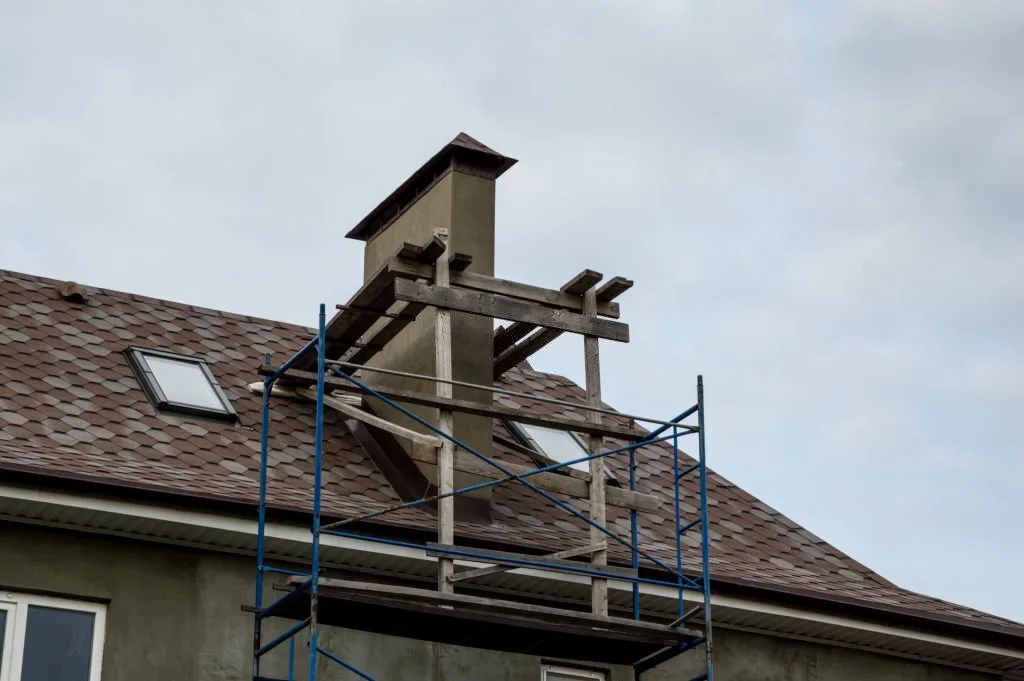
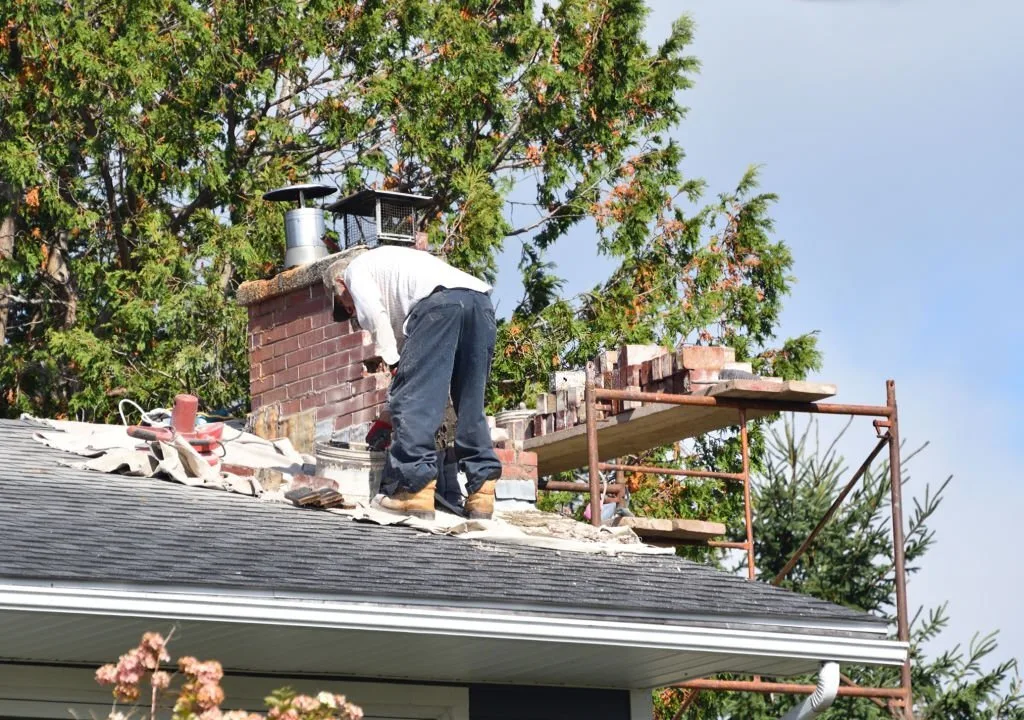
Chimney Flashing Repair in action
Stop the Leak at the Roofline
Call 206-207-3974 or request a quote online and a technician will inspect the chimney joint and explain exactly what is letting water in.
☎ (206) 207-3974 Request ServiceQuestions
Chimney Flashing Repair FAQ
Is a chimney leak a chimney problem or a roof problem?
It can be either, and sometimes both. Step flashing is woven into the roofing, so roofers install it when they re-roof. Counter flashing is cut into the chimney's mortar joints, which is chimney and masonry work. We inspect the whole joint and tell you plainly which side is failing. If the leak is actually a shingle or underlayment issue rather than the flashing, we say so and recommend a roofer.
What is the difference between step flashing and counter flashing?
Step flashing is a series of L-shaped metal pieces layered with each course of shingles against the chimney. Counter flashing is a second layer embedded into the chimney's mortar joints that laps down over the step flashing. The two together let the roof and the chimney move independently while water still sheds over every seam. Missing or surface-glued counter flashing is the most common flaw we find.
Can you just reseal the flashing instead of replacing it?
Often, yes, if the metal is sound and layered correctly. Resealing addresses dried caulk and small seam gaps. It is not a fix for rusted metal, missing counter flashing, or flashing that was never installed properly, and we will tell you when a reseal would only be a temporary patch.
Why does it leak only during long storms?
A small gap or capillary path may handle brief showers but saturates during multi-day rain, especially when wind drives water up under the uphill side of the chimney. Debris and moss in that joint make it worse by holding water against the metal. Leaks that appear only in the wettest weeks are typical of flashing, and they worsen rather than stay the same.
Does a new roof mean my chimney flashing gets replaced?
Usually the roofer replaces the step flashing, but counter flashing is often reused or simply caulked over. If you are planning a roof replacement, it is worth coordinating so the counter flashing is properly re-cut and reset at the same time. Request a quote and we can schedule around your roofing work.
How do I know the leak is not the chimney crown or the bricks?
You often cannot tell from inside, because water travels along framing before it shows up. That is why the inspection covers the crown, the masonry, the cap, and the flashing together. If the crown is cracked or the brick is absorbing water, flashing repair alone will not stop the stain, and the report will lay out the full picture.
Related services
Service areas
Helpful reading