
Home › Services › Chimney Flashing Replacement
Chimney Flashing Replacement Seattle, WA
Full removal of corroded, lifted or badly installed flashing and a fresh step-and-counter flashing system for homes across Seattle, Tacoma and the Puget Sound.
- 25+ years in business
- CSIA certified
- Licensed, bonded & insured
Request Chimney Flashing Replacement
Tell us what's going on — we'll confirm a time by phone or text.
Chimney flashing replacement is the complete re-flash of a chimney: the old metal comes off, the mortar joint is cut fresh, and a new two-part system of step flashing and counter flashing is installed and sealed. It is the right call when the existing flashing is rusted through, has lifted away from the brick, was installed wrong in the first place, or has been caulked and re-caulked so many times that nothing is left to patch. James Chimney Sweep has handled this work across King, Pierce and Snohomish counties for more than 25 years.
This page is about starting over, not patching. If your flashing is basically sound and only needs a resealed seam or one re-bedded piece, our chimney flashing repair service is the lighter option. If the leak itself is the open question and you are not yet sure the flashing is to blame, chimney flashing leak repair is where that diagnosis happens. And chimney flashing installation covers brand-new chimneys or re-roofs where no usable flashing exists yet. Replacement sits between those: there is flashing on the roof, and it has reached the end of its useful life.
Our CSIA-certified technicians are licensed, bonded and insured in Washington, and we will tell you honestly when a repair would do and when replacement is the only fix that will actually hold through a Puget Sound winter.
Symptoms & Problems
Signs your flashing needs replacing, not another patch
- Rust holes, pitting or flaking along the base of the chimney metal
- Step flashing pulled away from the brick or bent upward by ice or moss
- Layers of old caulk, tar or roofing cement stacked on the same seam
- A leak that returns every wet season despite two or more sealant repairs
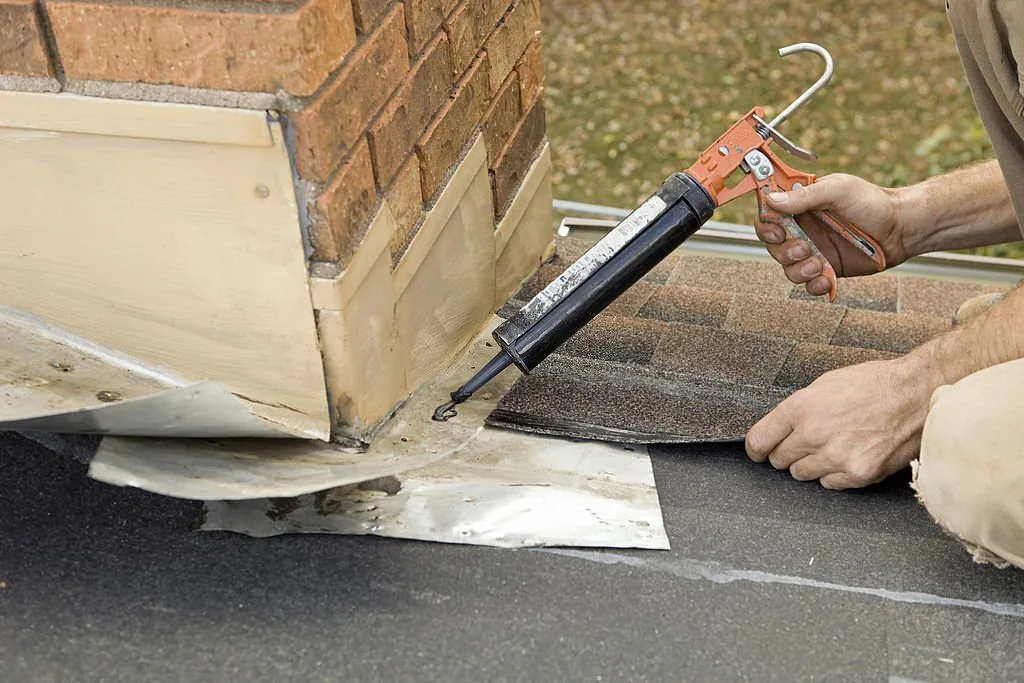
- Counter flashing surface-mounted and glued on instead of set into the mortar joint
- Flashing that is too short, has no kickout, or ends under the shingles incorrectly
- Galvanized metal turned white, chalky or green against copper or treated lumber
- Staining or soft drywall on the ceiling around the chimney after heavy rain
How It Works
How a full re-flash works
Inspect and confirm replacement is warranted
We examine the flashing from the roof, check the mortar joints, the shingle course around the chimney, the cricket if there is one, and the attic side for water tracks. Part of this step is ruling out the crown, the cap and the brick itself as the real source. If a targeted repair would solve it, we say so.
Remove the old system and install new step and counter flashing
We strip the failed metal and all the old sealant, cut a fresh reglet into the mortar joint, then weave new step flashing into each shingle course and set new counter flashing into the reglet, lapping it over the step pieces. Corners and the upslope side get particular attention because that is where most Seattle flashing leaks begin.
Seal, document and explain next steps
The reglet is sealed, the metal is checked for fit and lap, and we photograph the finished work from the roof. You get a plain-language summary of what was replaced, what we noticed about the rest of the chimney, and when it makes sense to have it looked at again.
Options
Replacement options we discuss with you
- Full re-flash with new step and counter flashing — the standard replacement when the old metal is corroded, lifted or improperly installed on any side.
- Re-flash with a new cricket or saddle — when the chimney sits below a wide roof slope and water piles up behind it; the cricket is rebuilt or added so the new flashing is not fighting a pond every storm.
- Metal upgrade to a longer-life material — for homes near salt air in West Seattle, Tacoma or the islands, or wherever thin galvanized has failed early, we talk through heavier or more corrosion-resistant metal.
- Re-flash coordinated with a re-roof — if the roof is being replaced soon, we can time the chimney work so the new flashing is woven into the new shingles rather than cut into an old roof.
- Re-flash plus mortar or crown work — when cutting the reglet reveals soft mortar or a cracked crown, the masonry is addressed at the same time so the new flashing is seated in sound brick.
Pricing
What affects the price
- Chimney size and how many sides and corners need new metal
- Roof pitch, height and how safely the chimney can be reached
- Type of metal chosen for the new step and counter flashing
- Whether a cricket or saddle needs to be added or rebuilt
- Condition of the mortar joints where the new reglet is cut
- How much old sealant, tar or prior repair material has to be removed
- Whether the work is coordinated with a roofer or done as a stand-alone job
We don't publish flat prices because every chimney is different. You'll get a written quote after we look at the system — no surprises.
Timing & Safety
When replacement is necessary and when a repair still makes sense
Replacement is the honest answer when:
- The metal itself has rusted through or is too thin to hold a seal
- Step flashing was never woven into the shingles, or counter flashing was glued to the face of the brick instead of set into the joint
- The same seam has been caulked repeatedly and the leak keeps coming back
- The flashing was bent, lifted or torn by ice, moss removal or foot traffic
- The roof is being replaced and the old flashing cannot be reused cleanly
A repair is usually enough when:
- The metal is sound and only one seam or corner has opened up
- The sealant has aged out but the lap and reglet are still correct
- A single piece of step flashing has shifted and can be re-bedded
We will not sell you a re-flash when a repair would hold. The flip side is just as true: a third sealant job on failed metal is money spent on a leak that is coming back.
Safety considerations
Flashing replacement is roof work done at the edge of a masonry structure, and we do not recommend homeowners attempt it. Wet Seattle roofs, moss and steep pitches make falls a real risk, and cutting a reglet into mortar without the right tools can loosen brick and create a bigger problem than the leak. Our technicians work with fall protection and the equipment the job calls for.
- Do not try to check or seal flashing from the roof yourself; look for interior signs and call us.
- Never apply roofing tar over existing flashing as a stopgap. It traps water, hides the real failure and has to be scraped off before replacement.
- If you see active dripping inside, place a container under it and move belongings. The fix happens on the roof, not from inside.
- A full re-flash is a good time to have the chimney cap, crown and flue checked. NFPA 211 recommends an annual chimney inspection, and the roof visit makes it easy to do both.
Seattle & Puget Sound conditions
Puget Sound weather is hard on chimney flashing in ways that make replacement more common here than in drier regions. Months of steady rain keep sealant wet, so caulk-only fixes break down fast and the leak returns the following fall. Moss grows under and around the step flashing, holding moisture against the metal and prying it up as it thickens; aggressive moss removal can bend the flashing further. Freeze-thaw cycles in the Cascade foothills and across Snohomish County push water into any lifted seam and widen it. Closer to the water, salt air accelerates rust on thin galvanized steel, which is why flashing in West Seattle, Tacoma, Edmonds and the islands often fails years earlier than the roof around it. When we replace flashing in this climate we pay attention to metal choice, a proper cricket on the upslope side, and a clean reglet so the new system is built for the region rather than just swapped like-for-like.
Real Work
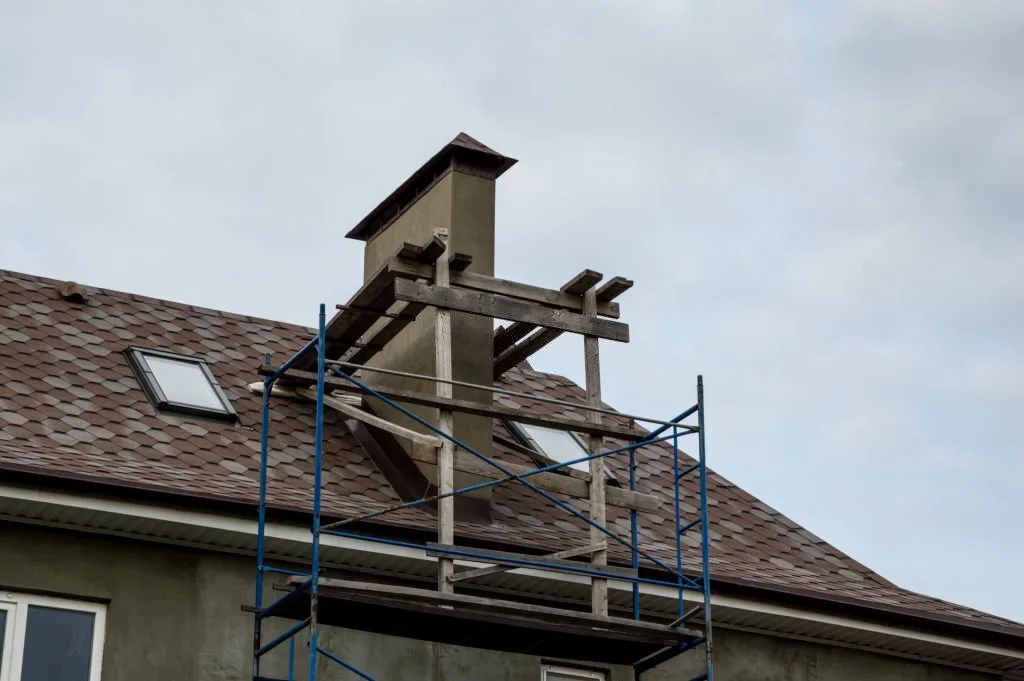
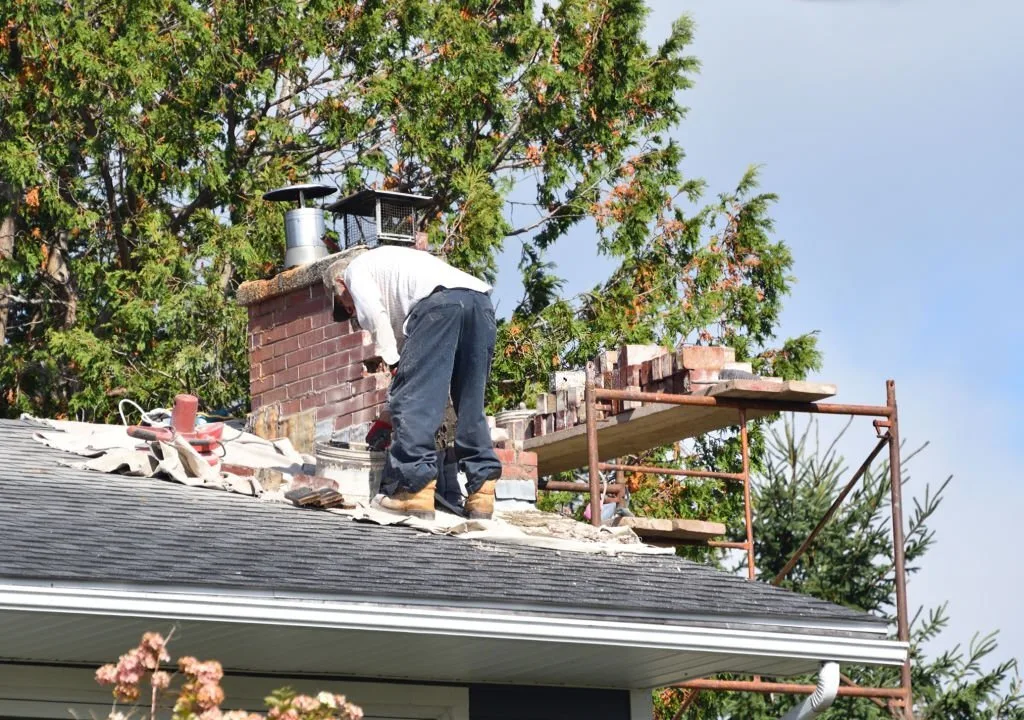
Chimney Flashing Replacement in action
Stop patching flashing that has already failed
Call 206-207-3974 or request a quote online and a CSIA-certified technician will confirm whether a full re-flash is the right fix for your chimney.
☎ (206) 207-3974 Request ServiceQuestions
Chimney Flashing Replacement FAQ
How do I know whether I need flashing replacement or just a repair?
The deciding factors are the condition of the metal and the quality of the original installation. If the metal is rusted, bent or too short, or if counter flashing was glued to the brick rather than set into the mortar joint, replacement is the only fix that lasts. If the metal is sound and one seam has opened, repair is appropriate. We inspect before recommending either.
Can you replace just one side of the chimney flashing?
Sometimes, if the rest of the system is in good condition and was installed correctly. Often the failure on one side is a symptom of the same age or installation issue on all sides, and a partial job leaves you with mismatched metal and another leak in a year or two. We will show you what we find and explain both paths.
Why has my flashing been sealed several times and still leaks?
Sealant is meant to close a small gap in a correctly built system. It cannot make up for step flashing that was never woven into the shingles or counter flashing that was never cut into the mortar. Each new layer of caulk fails on the same schedule. At that point replacement is the realistic solution.
Should I wait until I re-roof to replace the chimney flashing?
If your roof is within a year or two of replacement, coordinating the two jobs usually gives the cleanest result because the new step flashing is woven into new shingles. If the roof has years left and the chimney is leaking now, waiting can mean rot in the sheathing and framing. We can help you weigh the timing.
Does flashing replacement require mortar or brick work?
Cutting a fresh reglet for the counter flashing involves the mortar joint, and sometimes that joint is already soft or crumbling. When that happens we address the masonry so the new flashing is anchored in solid mortar. Chimney crown, cap and tuckpointing needs are separate services and we will point them out if we see them.
What areas do you serve for chimney flashing replacement?
We serve homes throughout King, Pierce and Snohomish counties, including Seattle, Tacoma, Bellevue, Everett, Renton, Kent, Federal Way and the surrounding communities. Our office is in Seattle and we are available Sunday through Friday, 7am to 8pm.
Related services
Service areas
Helpful reading