
Home › Services › Chimney Repair
Chimney Repair Seattle, WA
Diagnose-first chimney repair for homes across Seattle, Tacoma and the I-5 corridor in King, Pierce and Snohomish counties.
- 25+ years in business
- CSIA certified
- Licensed, bonded & insured
Request Chimney Repair
Tell us what's going on — we'll confirm a time by phone or text.
Chimney repair covers everything that goes wrong with a chimney between the firebox and the cap: cracked crowns, crumbling mortar joints, spalling brick, a damaged flue liner, a rusted-out damper, failed flashing, or a cap that has blown off. If you have noticed water stains near the fireplace, loose brick on the roof, a smoky fire, or a musty smell after rain, you are probably looking at one of these problems. Our team inspects the whole system first, explains what we find in plain language, and then recommends only the repair that addresses the actual cause.
This page is the starting point. Chimneys rarely fail in just one place, and the visible symptom is often downstream of the real issue. A leak at the ceiling, for example, can come from the crown, the flashing, the brick itself, or a missing cap, and each has a different fix. That is why we do not quote blind repairs over the phone. A technician looks at the chimney from the firebox up, documents the condition, and then points you to the right repair. From here we route most jobs to one of our specific repair services: masonry repair and tuckpointing, crown repair, chimney liner installation, flashing and leak repair, cap and damper replacement, or a full rebuild when the structure is beyond patching.
We serve homeowners in Seattle, Tacoma, Everett, Bellevue, Kent, Federal Way, Lynnwood, Puyallup and the rest of the I-5 corridor from DuPont to Mount Vernon. Hours are Sunday through Friday, 7am to 8pm.
Symptoms & Problems
Signs your chimney needs repair
- Water stains or damp drywall on the wall or ceiling around the chimney
- White, chalky staining (efflorescence) on exterior brick
- Brick faces flaking or popping off (spalling), or loose brick on the roof or lawn
- Crumbling or missing mortar between bricks
- Cracks in the concrete crown at the top of the chimney
- Rust streaks on the chimney, a rusted damper, or a damper that will not seal
- Pieces of clay tile or flakes of liner in the firebox
- Smoke backing into the room, or a strong creosote or musty odor
How It Works
How chimney repair works with us
Inspection and diagnosis
A technician examines the firebox, damper, smoke chamber, flue and exterior masonry, including the crown, flashing and cap. Where the flue cannot be seen directly, a camera scan shows the condition of the liner.
Written findings and repair plan
You get photos and a clear explanation of what is failing, what caused it, and which repairs are necessary now versus which can wait. Each recommended repair is matched to its specific service so you know exactly what is being proposed.
Repair and follow-up
Once you approve the scope, our team completes the work, checks that the system drafts and sheds water correctly, and tells you what maintenance will keep the repair lasting. Annual inspection is the standard after any repair.
Options
Common chimney repair options
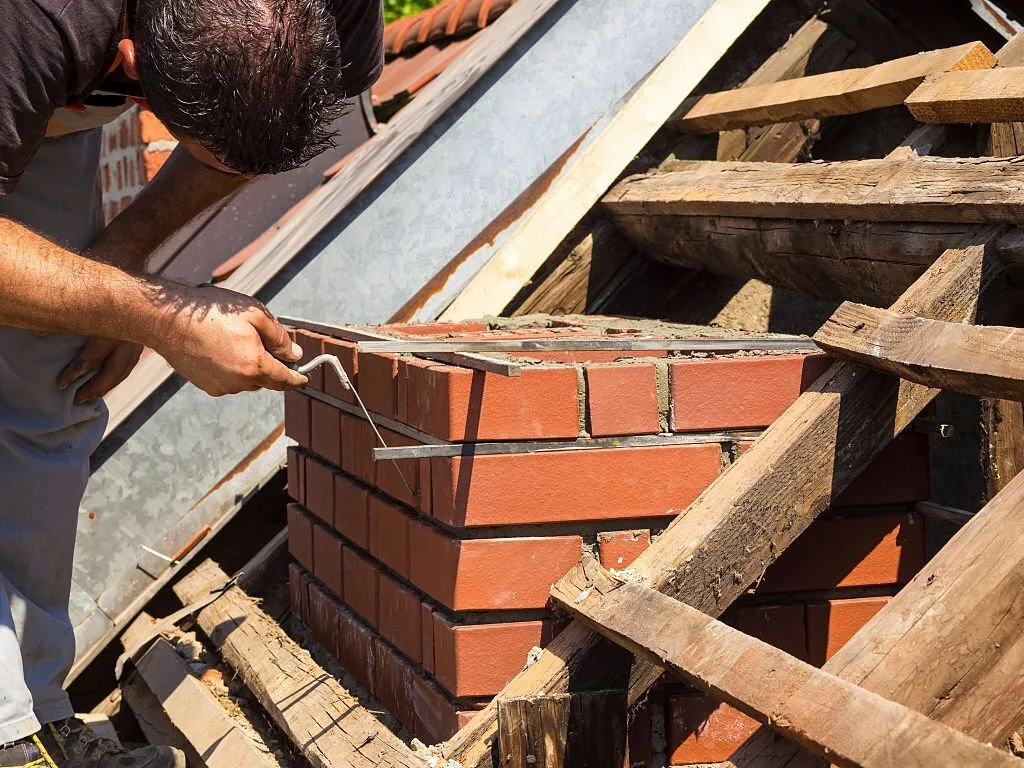
- Masonry repair and tuckpointing — when mortar joints are eroded or brick faces are spalling but the structure is sound. Failed joints are ground out and repacked; damaged brick is replaced.
- Crown repair or rebuild — when the concrete slab at the top is cracked, pitted or pulling away from the flue. Minor cracking can be sealed; a badly deteriorated crown is poured new with a proper drip edge.
- Flashing and leak repair — when water is entering where the chimney meets the roof. Flashing is resealed or replaced, and the masonry is water-repellent treated where appropriate.
- Liner repair or relining — when clay tiles are cracked or missing, or the flue is the wrong size for the appliance. A stainless steel liner restores a continuous, sealed flue.
- Cap and damper replacement — when the cap is missing or rusted through, or the throat damper no longer seals. A stainless cap keeps out rain and animals; a top-sealing damper improves energy efficiency.
- Partial or full rebuild — when the chimney above the roofline is leaning, has lost structural integrity, or has been patched too many times to hold together.
Pricing
What affects the price
- Which component is failing (cap and damper work is simpler than a liner or rebuild)
- How far the damage has progressed before it was caught
- Chimney height, roof pitch and how safely the work area can be reached
- Whether the chimney serves a wood fireplace, a gas insert or a furnace or water heater
- Type and condition of the existing liner
- Whether water damage has spread into framing, drywall or the firebox
- Matching brick and mortar on older Seattle and Tacoma homes
We don't publish flat prices because every chimney is different. You'll get a written quote after we look at the system — no surprises.
Timing & Safety
When chimney repair is necessary vs. optional
Repair is necessary when the problem affects safety or is actively letting water in:
- A cracked, missing or deteriorated flue liner, which can allow heat and combustion gases to reach framing
- Water entering the house through the crown, flashing or masonry
- Spalling brick or open mortar joints that are allowing moisture into the chimney wall
- A damper that will not open fully, which can cause smoke and carbon monoxide to back up
- A missing cap on a chimney that is in use
Repair can often be scheduled rather than rushed when the issue is cosmetic or early-stage: light surface efflorescence with no interior dampness, hairline crown cracks that have not opened up, minor mortar erosion on a protected face, or an aging damper that still seals. Catching these at an annual inspection is the whole point. NFPA 211 recommends that chimneys, fireplaces and vents be inspected at least once a year, and most expensive chimney repairs in the Puget Sound area started as small water problems that were visible years earlier.
Safety considerations
Do not use a fireplace or stove if you suspect the liner is damaged, if smoke is entering the room, or if you have seen tile fragments in the firebox. Those are signs the flue may no longer be containing heat and gases. If you have a gas appliance venting into the chimney and you smell gas, leave the house and call your gas utility or 911 from outside. Do not go on the roof to check the chimney yourself; wet Seattle roofs and moss make that a serious fall risk, and most of what matters is inside the flue anyway. Keep a working carbon monoxide alarm on every level of the home, especially near sleeping areas.
Seattle & Puget Sound conditions
Chimneys in Seattle and the Puget Sound area spend most of the year absorbing rain. Brick and mortar are porous, and once they are saturated the occasional freeze in December through February expands that water and pops brick faces and opens joints. Moss takes hold on the shaded north side of a chimney and holds even more moisture against the masonry, while the persistent damp lets rust work through steel caps and dampers faster than in drier climates. The result is that crown cracks, spalling and flashing leaks are the most common repairs we see from Everett to Tacoma, and most of them are worse by spring than they were the previous fall. The dry stretch from July through September is the best window to get masonry, crown and flashing work done so new mortar and sealant cure properly before the rain returns.
Real Work
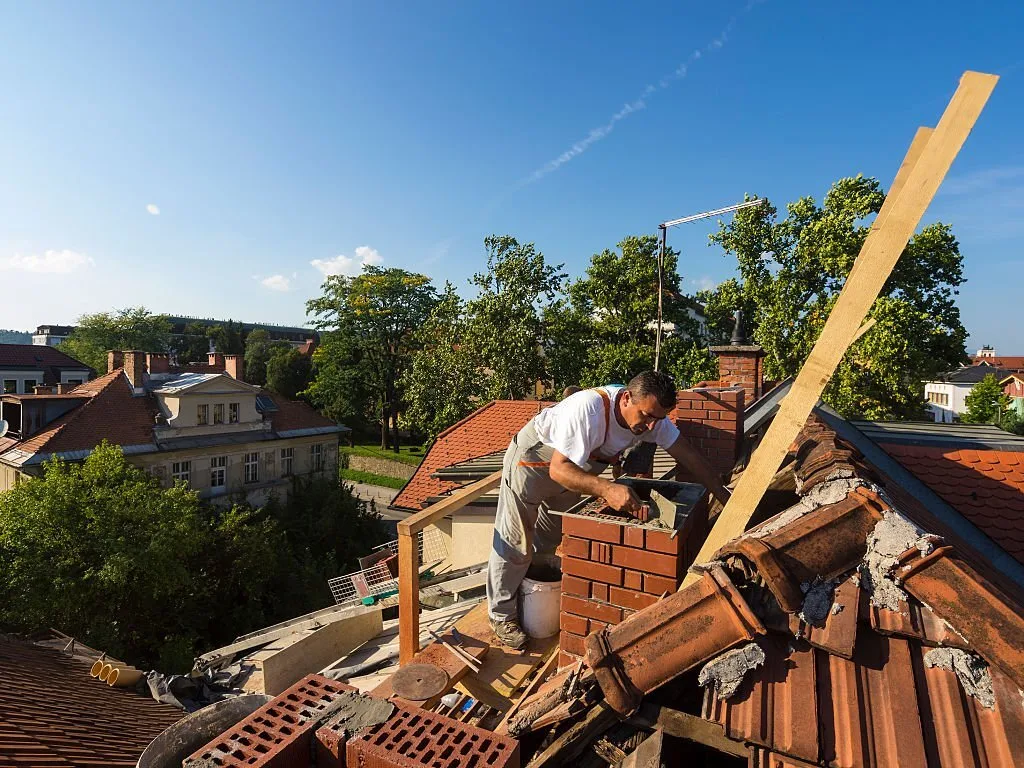
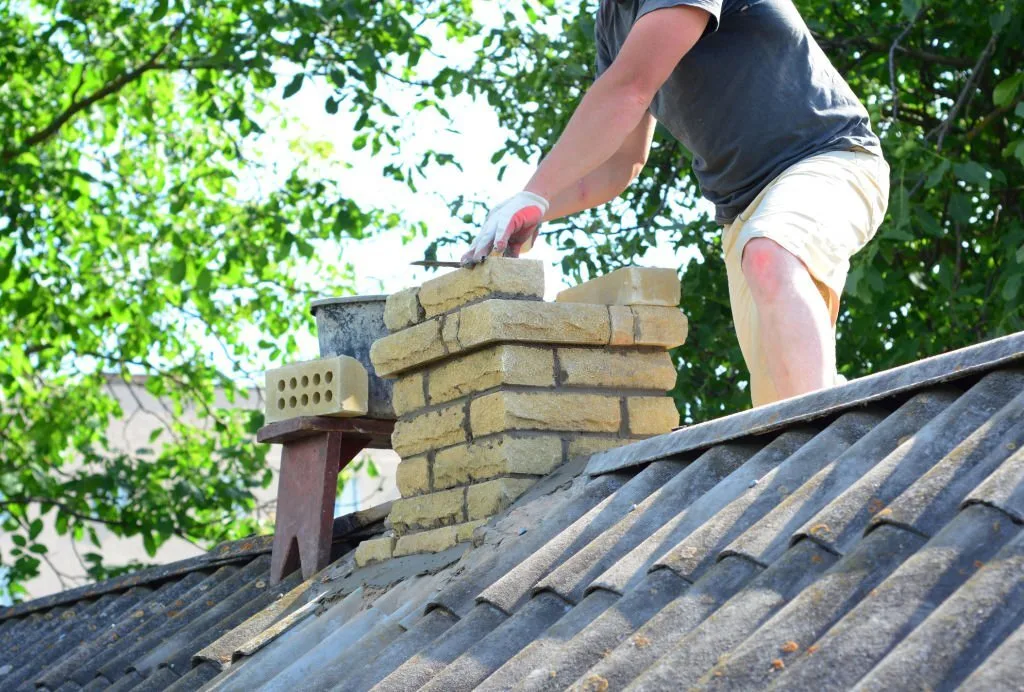
Chimney Repair in action
Not sure what your chimney needs? Start with a diagnosis.
Call 206-207-3974 or email info@jameschimneysweep.com to request a chimney repair inspection anywhere along the I-5 corridor from DuPont to Mount Vernon.
☎ (206) 207-3974 Request ServiceQuestions
Chimney Repair FAQ
Can you tell me what is wrong from a photo or over the phone?
No, and we would be guessing if we tried. Several different chimney problems produce the same symptom, and the most important parts of the system are inside the flue where a photo cannot reach. An on-site inspection is how we find the cause and avoid paying for the wrong repair.
Do I need a full inspection before a repair, even if I know what is broken?
Yes. Even when the problem is obvious, such as a cap that blew off, the inspection confirms nothing else has been damaged by the same water or wind, and it is the basis for the written findings you receive. It is also how you know which of our specific repair services actually applies.
Is a leaking chimney an emergency?
Active water intrusion should be addressed promptly because it spreads into framing and drywall, but it is not usually a same-day emergency. Damaged flue liners, smoke in the house or a gas smell are the situations that mean stop using the appliance now and call.
Can chimney repairs be done in the rain?
Interior work such as liner installation, damper replacement and some firebox repairs can be done in any weather. Exterior masonry, crown work and sealants need dry conditions to cure, so in the wet months we schedule those around the forecast.
Will you have to tear the whole chimney down?
Rarely. Most chimneys in King, Pierce and Snohomish counties need targeted repairs to the crown, upper brick courses, flashing or liner. A rebuild is only recommended when the structure above the roofline is leaning, has lost its bond, or has been patched past the point of holding together.
How do I keep the repair from failing again?
Keep a cap on the chimney, keep the crown and flashing sealed, and have the system inspected once a year so small water problems are caught early. Sweeping is done when the inspection shows deposits that warrant it.
Related services
Service areas
Helpful reading