
Home › Services › Wood Fireplace Cleaning
Wood Fireplace Cleaning Seattle, WA
Thorough cleaning of the wood-burning fireplace itself — firebox, ash, damper, smoke shelf, glass doors and hearth — for homes across Seattle, Tacoma and the Puget Sound.
- 25+ years in business
- CSIA certified
- Licensed, bonded & insured
Request Wood Fireplace Cleaning
Tell us what's going on — we'll confirm a time by phone or text.
Wood fireplace cleaning is the detailed cleaning of the fireplace you actually see and use: the firebox where the fire burns, the ash that collects beneath it, the damper plate and its frame, the smoke shelf just above the damper, the glass doors or screen, and the hearth out front. It is for anyone in Seattle, Tacoma or the surrounding Puget Sound area who burns wood and wants the fireplace itself clean, safe and working properly — not just the pipe above it.
This is different from a chimney sweep, which focuses on the flue: the vertical passage that carries smoke out of the house. A sweep removes creosote from the liner; a wood fireplace cleaning removes ash, soot, creosote flakes and debris from the opening where the fire lives. Most wood-burning homeowners benefit from both, and we regularly do them together in one visit, but they are separate jobs with separate purposes.
James Chimney Sweep has served the Puget Sound for more than 25 years. We are CSIA certified and licensed, bonded and insured in Washington, and we serve King, Pierce and Snohomish counties from our Seattle office.
Symptoms & Problems
Signs Your Wood Fireplace Needs Cleaning
- Ash has built up to the point it touches the grate or spills onto the hearth
- Glass doors are blackened or hazy and you can no longer see the fire
- The damper is stiff, sticks, or will not close fully against its frame
- A smoky or sour smell from the fireplace even when it is not in use, especially on humid days
- Black soot staining on the firebox walls, the lintel or the face of the fireplace
- Fires are harder to light or smoke puffs into the room when you first start one
- Debris, flakes or small chunks of creosote dropping onto the smoke shelf or into the firebox
- Fine ash dust spreading onto furniture and floors near the fireplace
How It Works
How We Clean a Wood-Burning Fireplace
Look it over first
We start by inspecting the firebox, damper, smoke shelf and doors before any cleaning begins. We note cracked or missing firebrick, damaged mortar joints, a warped or rusted damper plate, worn door gaskets and how much ash and creosote has collected. If we see a problem that cleaning alone will not fix, you hear about it up front.
Clean the fireplace, top to bottom
We protect the room with drop cloths and run a HEPA-filtered vacuum so dust stays contained. We remove all ash from the firebox and the ash dump if your fireplace has one, brush and vacuum the firebox walls and floor, clean the smoke shelf where debris settles, brush the damper plate and frame so it seats and moves freely, and clean the glass doors, frame and screen. We finish by cleaning soot from the hearth and the face of the fireplace.
Report and recommend
You get a plain-language summary of what we found and what we did. If the damper is beyond cleaning, the firebrick needs repair, or the flue above looks like it needs a sweep or a closer inspection, we tell you what it is, why it matters and what the sensible next step is. You decide how to proceed.
Options
Wood Fireplace Cleaning Options
- Fireplace-only cleaning — the firebox, ash, damper, smoke shelf, doors and hearth. Best when your flue was swept recently but the fireplace itself has become dirty, smelly or hard to use.
- Fireplace cleaning with a chimney sweep — the most common choice for wood burners. We clean the fireplace and sweep the flue in the same visit, so the entire system from hearth to cap is handled at once.
- Glass door and gasket service — for fireplaces with glass doors. We clean baked-on haze from the glass and check the gasket seal so doors close tightly and stay cleaner longer.
- Damper cleaning and lubrication — when a damper is stiff, stuck or not sealing. We clean rust and creosote from the plate and frame and free up the mechanism. If the plate is warped or the frame is broken, we explain repair or replacement options.
- End-of-season cleaning — done after your last fire of the spring so ash and creosote are not left sitting in the firebox through a damp Puget Sound summer, which is what causes the sour fireplace smell in August.
Pricing
What affects the price
- Whether the fireplace is cleaned on its own or paired with a chimney sweep in the same visit
- How much ash and creosote has accumulated and how long since the last cleaning
- Whether there are glass doors, and how much baked-on residue is on the glass
- The condition of the damper — a simple brush-and-free-up versus a plate that is rusted or seized
- Whether the fireplace has an ash dump or ash pit that also needs to be emptied
- The size of the firebox and whether it is a masonry fireplace or a factory-built unit
- Access and protection needed for the room, such as carpet, hardwood or nearby furnishings
We don't publish flat prices because every chimney is different. You'll get a written quote after we look at the system — no surprises.
Timing & Safety
When Wood Fireplace Cleaning Is Necessary vs. Optional
Necessary:
- Ash has built up high enough to touch the grate, block the ash dump, or spill out onto the hearth. Deep ash holds heat and can hide live embers for days.
- The damper will not close fully. An open damper lets warm air out and cold, damp air in all winter, and a damper that cannot open fully causes smoke to roll into the room.
- Creosote flakes are collecting on the smoke shelf or firebox floor. That material is fuel sitting right next to your fire.
- Glass doors are heavily blackened. You cannot monitor the fire through them, and baked-on residue gets harder to remove the longer it stays.
- It has been more than a year of regular burning since the fireplace was last cleaned and inspected. NFPA 211 recommends annual inspection of chimneys, fireplaces and vents.
Optional, but worth it:
- You burn only a handful of fires each year and the fireplace looks clean, but you want it checked before the season starts.
- You are selling or buying a home and want the fireplace presentable and documented.
- There is a faint smoky smell in warm weather. Cleaning usually fixes it, though a damper that seals well and a top-sealing damper or cap are often part of the answer too.
Safety considerations
A clean firebox is a safer firebox. Ash left too deep insulates embers and can keep them alive long after a fire looks out, which is why ash should always be removed into a metal container with a lid and never into a plastic bin, paper bag or household vacuum. Creosote on the smoke shelf and damper is the same material that causes flue fires, just lower in the system, and it should be removed rather than left to build up.
- Never use a household or shop vacuum on ash unless it is fully cold and the vacuum is rated for it; ash can carry live embers and fine ash passes straight through ordinary filters.
- Do not spray water into a hot firebox to cool ash — it can crack firebrick and create a burst of steam.
- Do not burn trash, treated lumber, plastics or glossy paper. They leave corrosive, sticky residue on the firebox, damper and glass.
- Keep the damper fully open while burning and only close it once the ash is completely cold.
- Cracked firebrick, loose mortar or a gap behind the firebox should be looked at before the next fire. We inspect for these during every cleaning.
We do not diagnose fireplace problems over the phone or from photos. A fireplace needs to be looked at in person to be assessed properly.
Seattle & Puget Sound conditions
Seattle and Puget Sound fireplaces live in a damp climate for most of the year, and that shows up in the firebox more than people expect. Moisture drifting down an open or poorly sealed damper mixes with leftover ash and creosote and produces the sour, smoky odor that so many local homeowners notice in summer when the house is closed up and humid. It also accelerates rust on steel damper plates, which is why so many dampers around here end up stiff or seized by October. Because our burning season is long — many homes here light fires from October well into April — ash and creosote build up steadily in the firebox and on the smoke shelf, and an end-of-season cleaning in spring makes a real difference in how the fireplace smells and works when fall comes back around. Homes near Puget Sound and the straits also deal with salt in the air, which is hard on metal dampers and door frames and another reason to keep those parts clean and moving.
Real Work
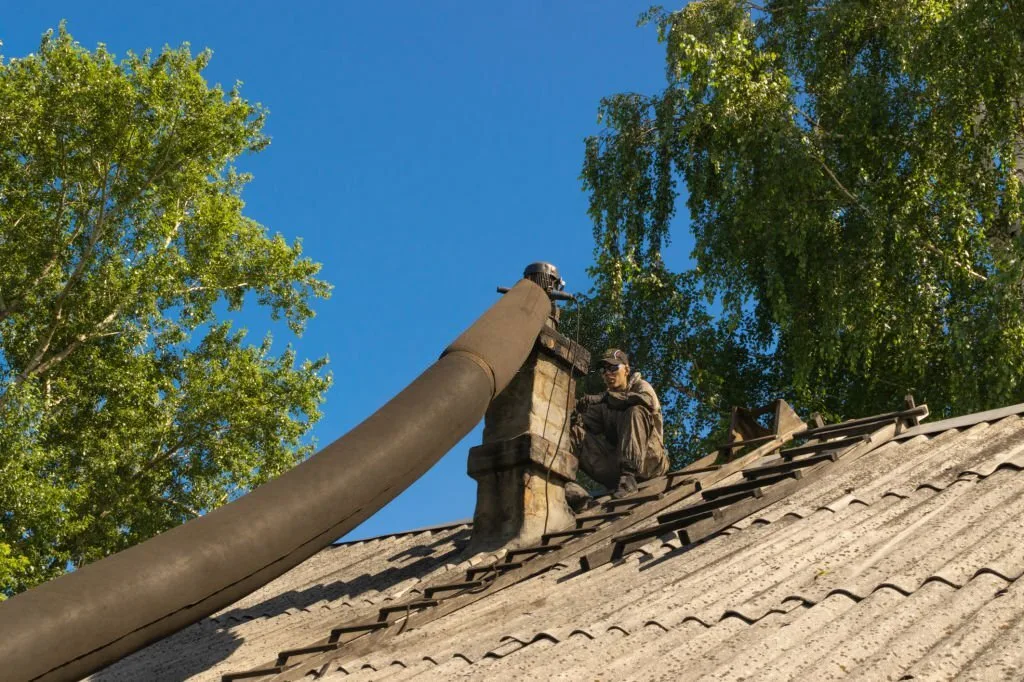
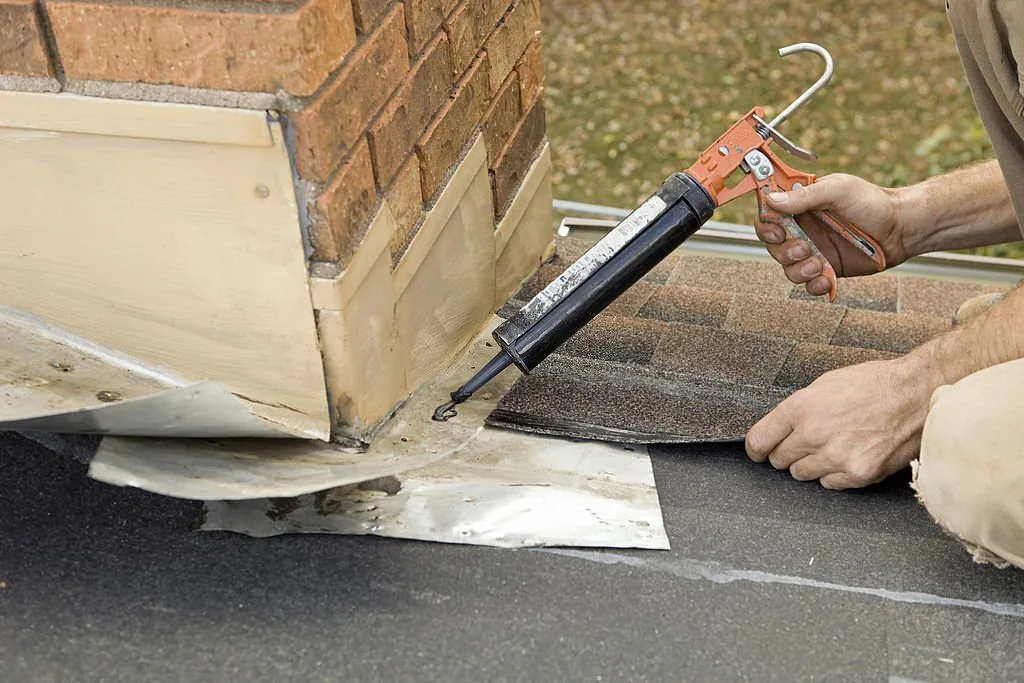
Wood Fireplace Cleaning in action
Ready for a Clean, Fresh-Smelling Wood Fireplace?
Call 206-207-3974 or request a quote and we will clean your firebox, damper, smoke shelf and doors, and pair it with a chimney sweep if you want the whole system done at once.
☎ (206) 207-3974 Request ServiceQuestions
Wood Fireplace Cleaning FAQ
What is the difference between wood fireplace cleaning and a chimney sweep?
A chimney sweep cleans the flue — the vertical passage that carries smoke out of the house. Wood fireplace cleaning focuses on the fireplace itself: the firebox, ash, damper, smoke shelf, glass doors and hearth. They are separate jobs. Most wood-burning homes benefit from both, and we can do them together in one visit.
Should I leave some ash in the firebox?
A thin layer of ash, roughly an inch, helps insulate the fire and makes new fires easier to start. More than that is a problem: deep ash hides embers, blocks airflow through the grate and pushes the fire forward toward the room. We remove the excess and leave a sensible base if you want one.
Can you clean blackened glass fireplace doors?
Usually, yes. Most haze and soot comes off with the right cleaner and technique. Very heavy, baked-on residue from years of burning can etch the glass and may not come completely clear, and we will tell you that honestly when we see it. Keeping the damper fully open and burning seasoned wood is the best way to keep doors clean afterward.
Why does my fireplace smell bad in the summer?
The smell is usually damp creosote and ash. Humid summer air moving down an open or leaky damper reactivates the residue in the firebox and on the smoke shelf, and with the windows closed the odor has nowhere to go. Cleaning the firebox and smoke shelf removes the source; a damper that seals properly keeps it from coming back.
Do you clean the smoke shelf as part of fireplace cleaning?
Yes. The smoke shelf sits just behind and above the damper and collects debris, soot and creosote that falls from the flue. We clear it as part of every fireplace cleaning. Note that this is different from our smoke chamber cleaning service, which treats the larger sloped chamber above the shelf where heavy creosote can build up and usually calls for its own approach.
How often should a wood-burning fireplace be cleaned?
NFPA 211 recommends an annual inspection of fireplaces and chimneys, and for most Puget Sound homes that burn regularly, a cleaning once a year is the right rhythm. Heavy burners may need ash removed several times over the winter. We also recommend a cleaning after the last fire of spring so nothing sits in the firebox through the damp months.
Related services
Service areas
Helpful reading